Business
Poundland collapse shakes UK retail and jobs hard
Poundland collapse hits jobs and high streets, raising concerns over UK retail resilience, store closures, and wider economic impact across Britain.

Poundland collapse: what triggered the crisis
According to analysts, the situation at Poundland is becoming a test for UK discount retail, with creditors, landlords and suppliers involved in fast-moving negotiations. Administrators typically focus on cash preservation, rent discussions and keeping core stores stocked when payment terms tighten, according to standard insolvency practice. The pace of deterioration suggests how quickly a value chain can lose momentum when operating costs rise and footfall fragments across towns. The British Retail Consortium has warned in its public statements that higher energy bills and business rates pressures are reshaping store economics, especially for larger estates. The immediate objective seems to be stabilising trading, protecting supply lines and assessing which locations might remain viable under revised lease terms.
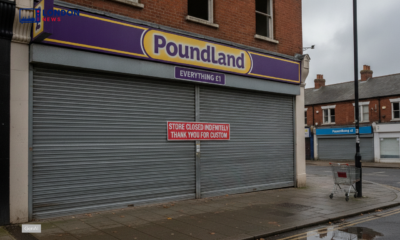
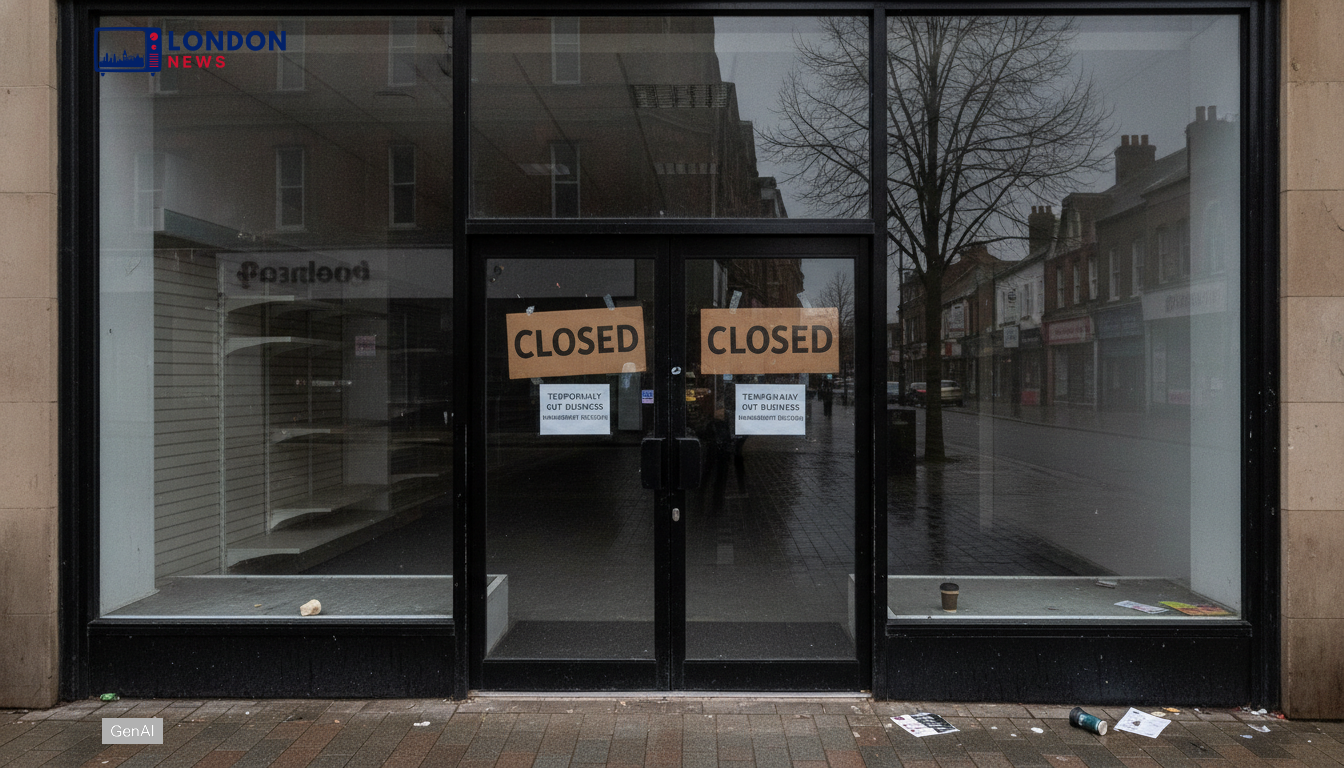
Store closures, jobs and local high streets
For many communities, the biggest risk from the retailer’s distress is the potential loss of accessible low-cost shopping and disruption for staff if branches close. Union representatives often press for consultation timetables and clarity on redundancy packages in restructurings of this kind, though specific terms will depend on the process and any buyer. For a broader look at how civic mobilisation can build around economic pressure, see Portugal housing protests draw mass marches in cities, and local authorities have previously raised concerns in comparable cases about knock-on effects for nearby retailers, transport links and vacancy rates on high streets. A typical branch can employ dozens of people, meaning even a small wave of closures could reduce local spending power. Campaign groups sometimes call for community buyers for marginal sites.
UK retail pressures behind the Poundland collapse
The Poundland collapse is unfolding against a tougher trading mix across UK retail, with shoppers splitting baskets between discounters, supermarkets and online platforms, as sector observers have noted. Higher financing costs and uneven demand can make long leases and large footprints riskier, even when sales volumes appear stable week to week. The Poundland collapse also reflects how property and staffing costs can compress margins in discount chains during routine price wars. Industry bodies have argued publicly that policy and property costs can hit physical stores harder than online competitors, squeezing margins during routine price wars. The Office for National Statistics has previously published data showing that retail hours worked and employment can shift during restructurings, which can then affect local services demand. Market volatility is also visible beyond retail, and readers tracking listed-sector sentiment can compare with Nvidia stock surge as Huang returns, market value jumps.
What happens next for Poundland and discount retail
The next few weeks will show whether Poundland is sold, faces a significant store cull, or emerges as a smaller refocused chain, depending on bids and creditor decisions. Potential buyers typically examine distribution reliability, store profitability by postcode and supplier terms that can survive a reset, according to retail deal advisers. Logistics failures can rapidly magnify costs at scale, and recent reporting illustrates how operational mishaps can disrupt complex delivery networks in consumer businesses, including missed overnight depot cut-offs. Within discount retail, the clearest winners tend to be those with disciplined stock turn and tight labour scheduling, not only the lowest ticket prices. Any rescue plan is likely to prioritise sites with durable footfall anchors, clearer rent structures and room to add click-and-collect without increasing fixed costs.
Government response and what it means for shoppers
Some MPs and councils have called for faster clarity on which branches may face closure, warning that further store losses could accelerate vacancy on already fragile high streets. Ministers have pointed to existing support such as business rates relief for eligible properties in public remarks, while also stressing that restructuring decisions are commercial matters. Related policy timelines and enforcement questions are tracked in Angela Rayner leasehold property reform timetable, and in Parliament, discussion has included vacancy, lease flexibility and dispute resolution, with local representatives arguing that quicker outcomes could reduce abrupt exits, according to parliamentary commentary. For shoppers, the immediate concern is continuity of everyday essentials, while administrators weigh bids against the ongoing cost of keeping loss-making stores open.