Business
World Cup profits lift Marston’s pub performance
Marston’s says World Cup profits supported pub takings as match nights lifted wet-led sales and steadier margins.

Marston’s update on World Cup profits
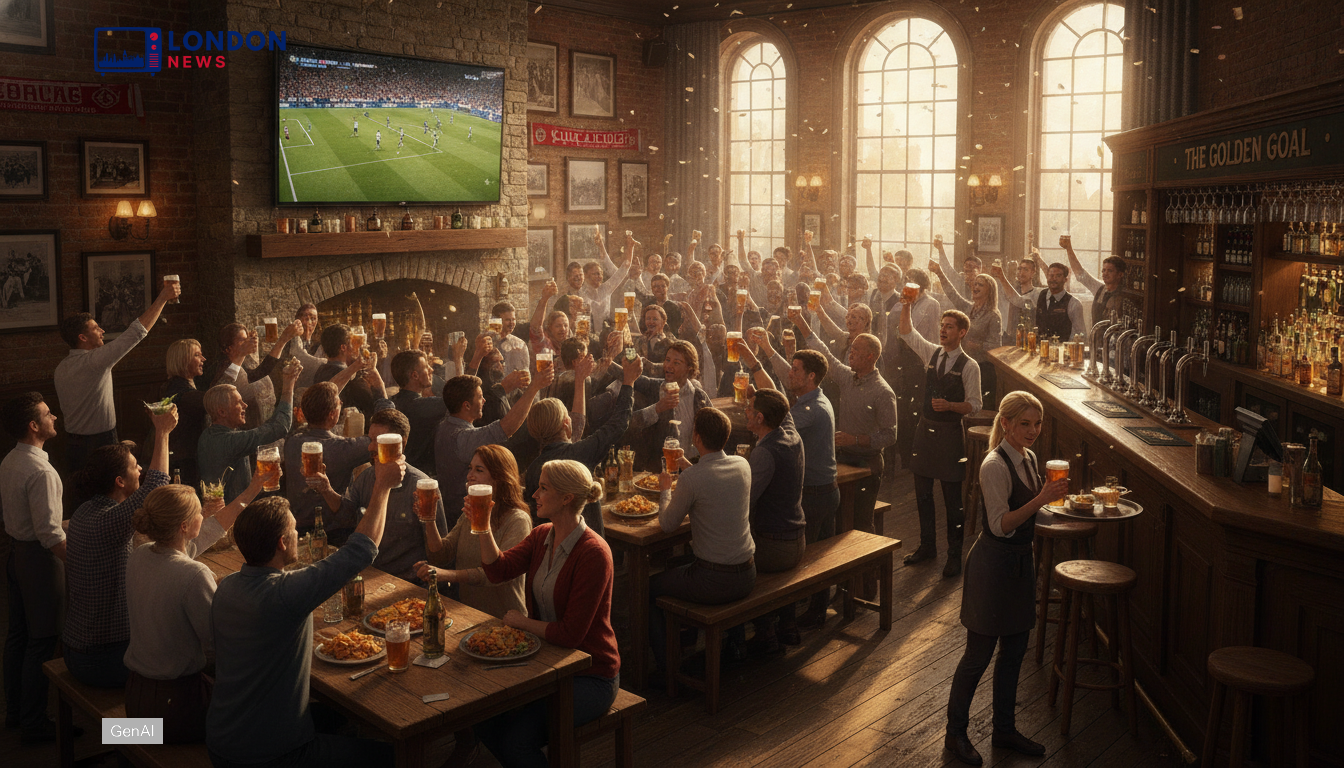
Marston’s told markets that World Cup profits helped lift performance across its managed and franchised pubs. Televised matches boosted bar sales and improved venue use, as per the company’s update. The group noted that busy match nights delivered stronger drink volumes. Casual visitors turned into longer stays, enhancing cash generation and daily trading discipline, based on management commentary. Management highlighted tighter labour scheduling and sharper stock control as key contributors to steadier margins, according to Marston’s. Investments in core pub standards like service speed and screen readiness aimed to protect repeat visits post-tournament.
How match nights translated into higher takings
Marston’s suggested the tournament impact was operational as much as seasonal. Staff planning and stock discipline amplified the lift from televised fixtures. For insights into handling large event crowds, see Lisbon Metro boosts capacity for Web Summit 2026 rush. They noted results were best where screens paired with table management and food offers extended dwell time, according to the company. Marston’s is codifying estate-level learnings for future peak trading windows, including ordering schedules for late kick-offs. The group did not offer a single tournament-wide profit figure but reiterated that margins improved with a higher wet-led sales mix, according to Marston’s.
Industry reactions and competitive pressure
Analysts focused less on the one-off uplift. They emphasised what the trading performance might indicate about demand for communal viewing in well-managed pubs, based on market commentary. Observers noted that sporting calendars can skew comparisons, making execution on staffing and supply more critical than pure footfall. For examples of broader scrutiny during major fixtures, see England vs Argentina: England fined over chants in Spain. Discussions also covered how operators could prepare for sustained interest during tournament storylines and later-round momentum, which supports multiple visits, according to discussions. Marston’s focus on discipline suggested that value perception and consistent delivery still matter as consumers spend selectively.
Strategy changes after the tournament uplift
Marston’s aims to make event-led peaks less volatile by building a predictable local trade base and improving readiness for future televised fixtures. They presented World Cup profits as evidence of this approach. Executives said learnings from match nights will influence layout decisions and booking systems, as mentioned by the company. Curated occasions might help offset softer spending on ordinary nights if pubs control labour and promotion intensity. Marston’s also plans to focus on capital-light returns and measured refurbishments, as per the group.
What it means for investors and the pub sector
For investors, the question is whether the uplift is lasting leverage or a fleeting calendar perk. Marston’s claimed the shift toward drinks on high-footfall nights supports better margin capture than food traffic, and the operating approach could be repeatable for other events with tight execution, according to its update. The sector will be watching whether competitors maintain similar restraint on promotions, which could erode gains even with rising volumes, according to industry observers. While the company didn’t cite specific macro indicators, its messaging aligned with the view that customers prioritise shared experiences in local venues when the offer and service are reliable, based on market commentary. Future updates will test how momentum holds in non-event weeks and whether the World Cup profits translate into steadier trading.