Sports
Scottish FA Infantino backing dropped in FIFA dispute
Scottish FA Infantino split deepens as Scotland withdraws backing for Gianni Infantino, raising questions about FIFA governance and member-association politics.

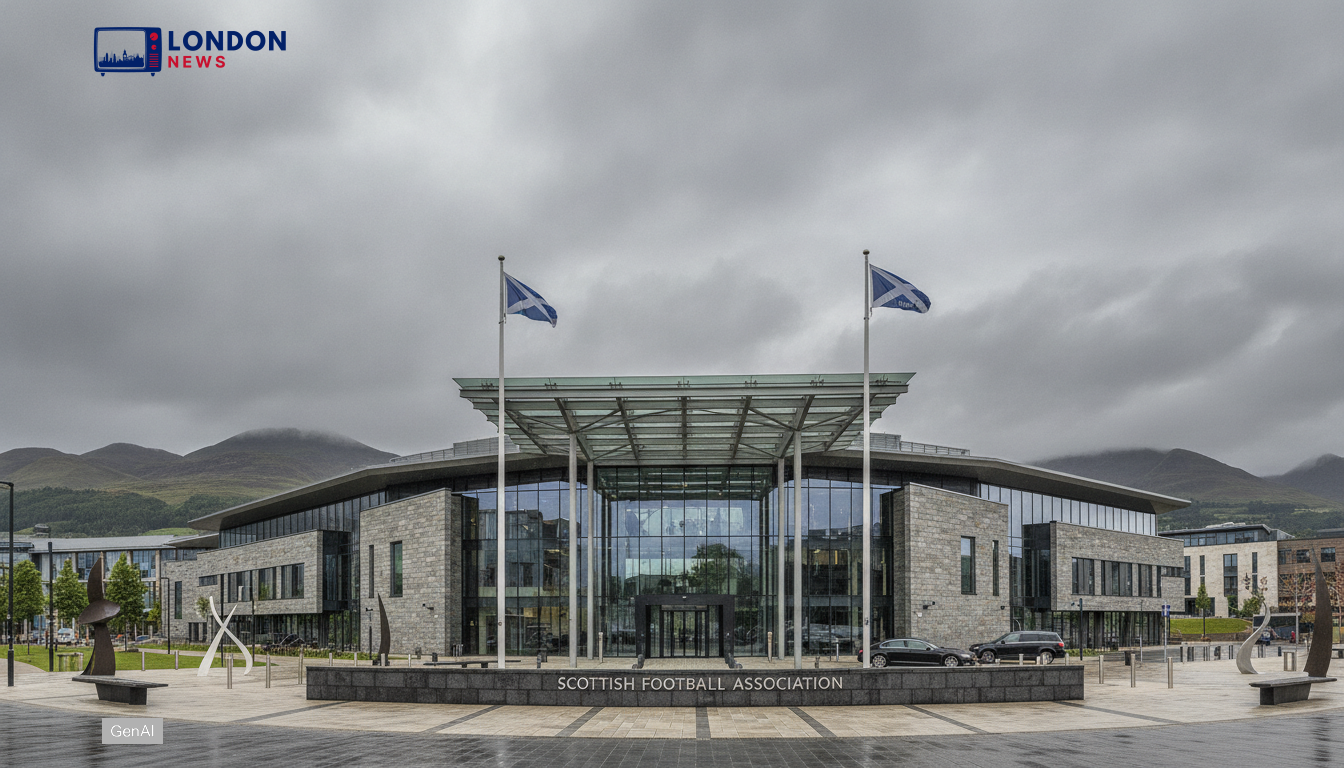
Scottish FA withdraws backing for FIFA president in dispute
The Scottish Football Association has withdrawn its backing for FIFA president Gianni Infantino. As indicated by available reports, Scotland is stepping away from support for the current FIFA leadership. The Scottish FA decision signals a shift from previous alignment at a delicate moment for the governing body. Officials in Glasgow framed the move as principled rather than personal, emphasising process, credibility, and long-term institutional trust.
Why Scotland stepped back
Senior figures around the Scottish Football Association pointed to concerns about governance standards and how key decisions are handled at the top of world football. The step, characterised as a withdrawal of support rather than a formal vote, still carries political weight inside FIFA’s network of 211 member associations. For a broader view of how organisations react when reputational pressures rise, Safety Shake-Up After Tragedy at Volta a Portugal shows how governance decisions can harden quickly under accountability demands. The move also reflects wider sensitivity to transparency after years of scrutiny of football’s governing bodies, commentators have noted, though Scotland’s public wording has remained controlled.
What it could mean for FIFA politics
The immediate impact is likely to be political rather than operational, given how similar statements typically play out among member associations. Observers will watch whether Infantino’s support base in Europe holds steady after a national association publicly steps away. FIFA’s formal structures rely on votes and confederation blocs, yet credibility also depends on whether member bodies feel heard between congresses and committees, as governance analysts often argue. Commercial pressures also shape the environment around integrity debates, and regulatory changes can quickly alter planning assumptions, as shown in Premier League shirt changes after front betting ban. Scotland’s move may prompt calls for clearer explanations of leadership choices and for stakeholders to understand the mechanisms that check executive power.
Reaction across Scottish and European football
Reaction has split along familiar lines: reform-minded officials see Scotland as asserting member rights, while others claim public rifts can weaken football’s ability to present unity in negotiations with governments and partners. Reports have circulated among administrators, agents, and journalists, suggesting discontent is not confined to private conversations, though the extent of wider institutional support is unquantified. Within Scotland, the tone has been cautious, with officials avoiding inflammatory language while stressing institutional responsibility. Across Europe, association insiders have discussed the row in governance terms rather than as a personality clash, reflecting the sensitivity of challenging a sitting FIFA president.
What happens next
For Scotland, the next phase is likely to be about sustaining influence while holding its line. Withdrawing backing can carry diplomatic costs in committee work and cross-association alliances, according to seasoned observers of FIFA politics. The Scottish FA Infantino dispute is expected to be discussed in Glasgow and Zurich within the forums where FIFA policy is shaped. The Scottish Football Association needs to ensure its position is matched by consistent engagement, making specific governance requests in the relevant forums to translate the move into leverage. At home, officials will likely face questions from stakeholders about what outcomes the move aims to secure, even if they avoid public ultimatums. The dispute could affect how Scotland coordinates with other British and European counterparts in international football politics, though concrete changes would depend on future discussions and voting behaviour.