Tech
Musk and Huang join Trump delegation for China
As elon musk in china joins Trump’s delegation alongside Jensen Huang, the visit signals new corporate diplomacy and sharper scrutiny across UK and US ties.

Elon Musk Joins Trump’s Delegation
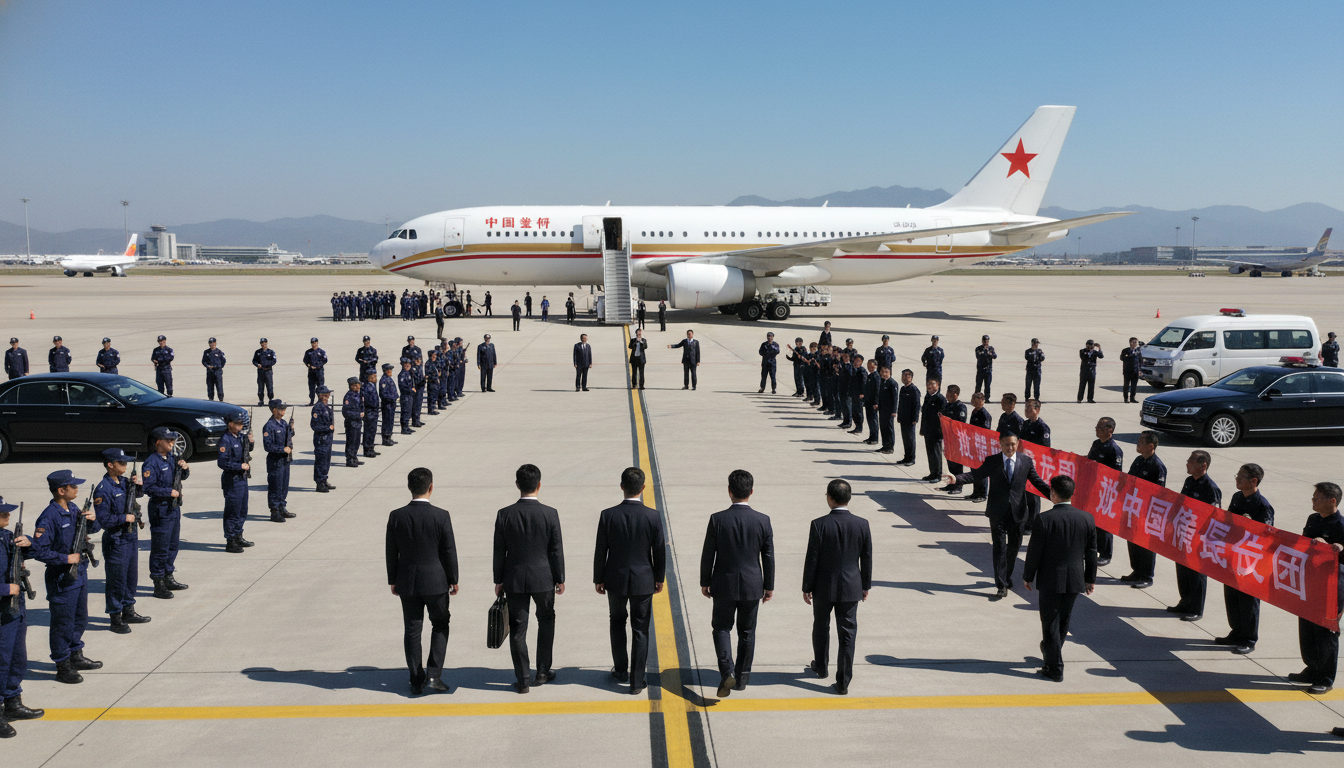
Officials in London and Washington tracked the roster of corporate leaders traveling with Donald Trump as the delegation prepared for meetings in China. Today the most scrutinised names were Elon Musk and Nvidia chief Jensen Huang, both central to debates on technology supply chains and market access. In briefings cited by Reuters, the trip list also included other executives whose firms depend on cross border sales and manufacturing. The presence of elon musk in china has drawn particular attention in UK business circles because his companies operate across multiple regulated sectors. Live coverage in US media focused on schedule logistics and who gets access to senior Chinese counterparts. An Update from campaign staff framed the travel as business first engagement rather than treaty making.
The Significance of the China Trip
For markets, the trump china trip matters less for ceremony than for what gets discussed behind closed doors on export controls and investment screening. Today analysts at the Peterson Institute for International Economics described CEO delegations as a signal that private sector stakeholders want clearer rules and fewer abrupt policy swings. A portal explainer on shifting diplomacy underscored how leaders are bundling trade, security, and technology access in the same travel calendar; France courts African leaders in Kenya talks shift. Live commentary from US networks also highlighted attendance by jensen huang, given Nvidia’s exposure to restrictions affecting advanced chips. An Update from industry groups stressed that executives will seek predictable licensing timelines, not exemptions.
US-UK Relations and Business Interests
UK officials have been careful to separate bilateral UK China policy from a US political visit while still watching for spillover on investment and compliance. Today a UK government spokesperson told the BBC that companies must follow domestic law on sanctions and export controls, regardless of changing political optics abroad. As discussion of US CEOs in China intensified, compliance advisers in London pointed clients to the evolving enforcement environment. Live debate in Westminster also turned to whether UK firms could face secondary impacts if Washington tightens rules after the visit. Coverage of political tensions in Britain showed how trade messaging can be pulled into domestic politics, including Labour leadership race flares amid Westminster chaos. An Update from business groups urged officials to prioritise clear guidance for UK listed companies.
Potential Outcomes of the Visit
Any concrete outcome will be judged by whether companies return with actionable clarity on licensing, data rules, and manufacturing commitments rather than broad statements. Today TechCrunch reported that Tesla disclosed two Robotaxi crashes involving teleoperators, a reminder that regulatory confidence and safety narratives can shift quickly for high profile firms; see TechCrunch report on Tesla Robotaxi crash disclosures. That context shapes how regulators and partners may read the Elon Musk China trip, even if the meetings focus on trade and investment. Live watchers will also look for language on supply chain resilience and technology transfer limits. An Update from legal analysts emphasised that any pledges must align with existing US export control frameworks and published guidance.
Public and Political Reactions
Public reaction has split along familiar lines, with supporters calling the delegation practical and critics warning it blurs business lobbying with statecraft. Today polling commentary on US television tied the trip to voter views on jobs, manufacturing, and rivalry with Beijing, while Chinese state media framed it as routine engagement. The spotlight on elon musk in china has also amplified scrutiny of how executives communicate with foreign officials and what commitments, if any, they make on market access. Live discussion in the UK has focused on reputational risk for firms that appear too close to geopolitical bargaining, especially in sensitive technology sectors. An Update from ethics specialists at Transparency International said disclosure and clear separation between corporate and campaign roles are essential to maintain trust.