Sports
Celtic criticised for failing to plan fan title party
Police criticised Celtic for weak preparation around Celtic title celebrations, urging clearer event planning to reduce disruption during Glasgow gatherings.

Celtic’s Missed Celebration Planning
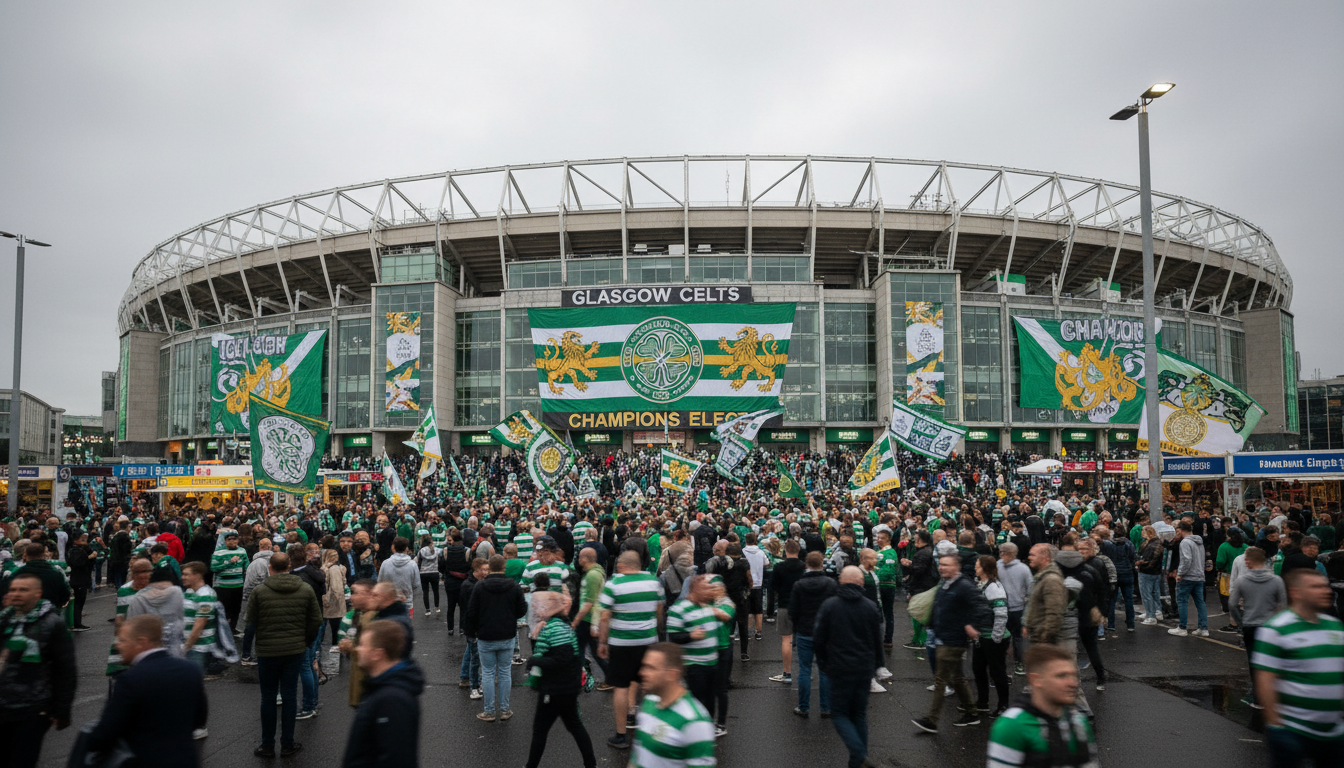
Officials say the club left key decisions too late as crowds moved into the city centre after the trophy was secured. Police Scotland said Today that organisers had not agreed a managed site, stewarding plan, or transport coordination in time to shape crowd flow. In briefings cited by Police Scotland, commanders argued Celtic title celebrations should be treated as a predictable event, not an informal gathering, because the destination and timing are widely anticipated. Live operations then had to prioritise dispersal routes and emergency access rather than building safer spaces from the outset. An Update issued internally to officers focused on keeping key junctions clear and preventing vehicles entering dense pedestrian areas. The criticism also reflects how quickly large groups can form once a match ends.
Police Concerns Over Fan Gatherings
Police Scotland said Live monitoring showed pinch points developing near transport hubs and busy arterial routes, with officers redeployed to reduce the risk of crush injuries. The force said Today it had sought earlier clarity on title celebration planning, including agreed messaging, steward deployment, and facilities such as toilets and first aid. For context on the match cycle that fuels these crowds, analysis on Scottish Premiership title pressure and fixtures highlights how quickly results can set off city centre movement. An operational Update noted that when fans self direct into a single area, minor incidents can scale quickly into wider disorder or medical emergencies. Police Scotland also emphasised that communication gaps make it harder to separate families from high risk groups once congestion builds.
History of Fan Behaviour in Glasgow
Glasgow has well established patterns around football fan behaviour, with celebratory congregations forming in familiar locations even when no official event is announced. Police Scotland said Today that recent years have provided multiple examples of how celebratory gatherings can shift rapidly between streets, pubs, and transport nodes, complicating real time crowd management. The force framed the latest criticism as a learning point rather than a one off dispute, arguing that predictable celebrations should be shaped before fans arrive. A relevant comparison on how public agencies handle rapid moving situations can be seen in Kyiv Mourns Dead as Prisoner Swap Goes Ahead, where authorities had to coordinate access and movement under pressure. Live public order work, police said, is less effective when basic site design and messaging are missing.
Impact on Community and Public Safety
Residents and businesses reported disruption as footways and roads became crowded, and Police Scotland said access for ambulances and routine patrols had to be protected as a priority. The force issued an Update that described balancing celebration with emergency response capacity, especially when congestion spreads to bridge crossings and busy junctions. Local authority partners were also drawn into real time decisions on cleaning, public toilets, and temporary traffic measures, which Police Scotland said would have been simpler with earlier agreement. Reporting across the UK has shown how fast communications tools can change risk in public spaces, and a separate London example on WhatsApp privacy features and group visibility illustrates how quickly crowd coordination can occur through messaging. Today, police emphasised that public safety planning must account for both spontaneous movement and organised meet ups.
Future Measures for Effective Event Planning
Police Scotland said it wants clearer joint planning ahead of future Glasgow gatherings tied to major sporting moments, with decisions made early enough to influence travel choices and crowd distribution. The force said Today that discussions should cover stewarding, alcohol management, public transport scheduling, and agreed locations where emergency access can be protected. A final Update stressed that consistent messaging from clubs, councils, and police can reduce risky surges by setting expectations on timing and routes. While criticism has focused on Celtic, Police Scotland framed the issue as a wider template for recurring football events, where predictable outcomes require predictable preparations. Live operations will always be necessary, officers noted, but they should sit on top of a plan that anticipates the likely size and movement of the crowd.