
Business
Zipcar Announces Exit from the UK as Financial Pressures Mount

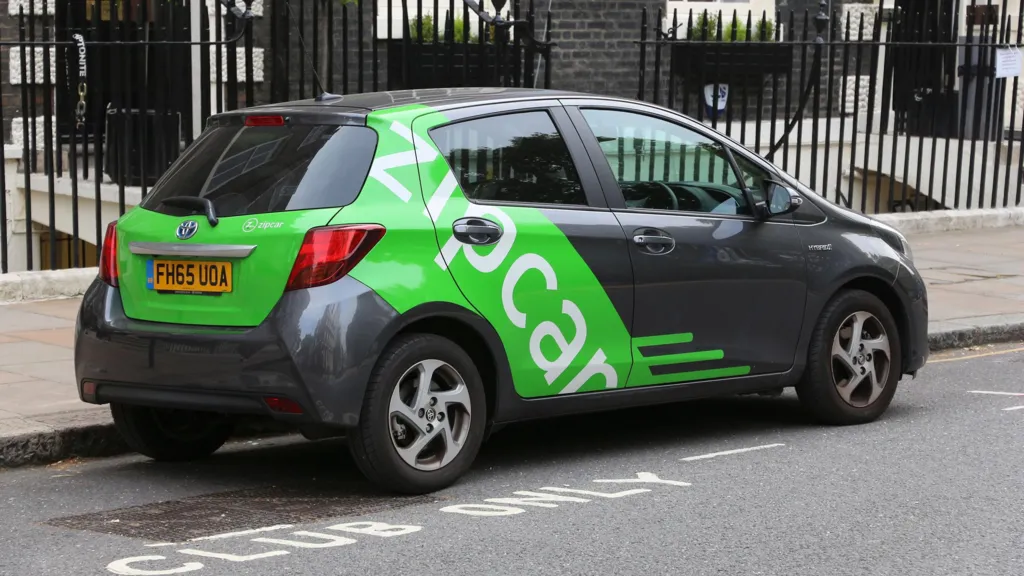
Zipcar, one of the most recognizable names in car sharing, has announced that it will end all UK operations by the end of the year. The decision marks a major shift for the company, which helped popularize short-term vehicle rentals in Britain and built a massive user base over more than a decade. Owned by US-based Avis Budget Group, Zipcar confirmed that the move is part of a broader strategy to streamline operations and focus on stronger-performing markets.
Bookings to Stop After December Thirty One
In an email to UK members, Zipcar’s general manager, James Taylor, said that bookings only running through the end of December would be honored and that new bookings would be temporarily paused after December thirty one while the company holds consultations with its seventy one UK staff members. The company assured customers that cars would remain available throughout the Christmas period and until the final day of the year.
Avis Budget later confirmed that the closure affects only the UK market. Zipcar operations in other countries will continue without interruption.
A Massive Customer Base Faces an Uncertain Transition
Zipcar’s exit is significant not only for the company but for urban mobility in Britain. With roughly six hundred fifty thousand UK members, Zipcar has been the country’s largest car sharing operator. For many city dwellers, especially those in London, the service offered a flexible and cost friendly alternative to car ownership. Vehicles could be booked by the hour or day through the app and collected from designated parking bays, making the model appealing to residents seeking convenience without long term commitments.
The company’s decision leaves many wondering how they will adapt, especially in neighborhoods where Zipcar was often more accessible than traditional rental services.
Financial Strains Played a Major Role
The closure comes after a series of financial setbacks. In its 2024 company accounts, Zipcar reported that revenues had fallen to forty seven million pounds from fifty three million pounds the year before. At the same time, after tax losses widened to eleven point six million pounds. The company attributed falling revenues in part to the cost of living crisis, which has pressured household budgets and likely caused some customers to cut back on discretionary spending, including car sharing.
Rising energy costs added an extra layer of difficulty. Zipcar members do not pay directly for fuel or EV charging because membership fees are meant to cover those expenses. As electricity and fuel prices climbed over the past year, Zipcar carried much of the financial burden, squeezing margins further.
Regulatory Costs Add More Pressure
The company would have also faced additional costs linked to changes in London’s congestion charge policy. Beginning December twenty six, the congestion charge zone will expand to include electric vehicles, meaning Zipcar’s growing fleet of EVs would no longer be exempt. While Zipcar did not mention this upcoming cost in its statement to members, analysts believe it would likely have added to already substantial pressures.
Previous Closures Signaled Deeper Challenges
Zipcar had already been retreating from parts of the UK before this latest decision. Last year, the company shut down operations in Oxford, Cambridge and Bristol to concentrate resources on London, its strongest market with more than five hundred fifty thousand members. That consolidation hinted at larger structural problems. Even with a strong member base in the capital, the company struggled to remain profitable.
The new decision to leave the UK entirely suggests that broader challenges in operating costs, inflationary pressures and regulatory changes outweighed the benefits of staying.
Part of a Wider Corporate Strategy
Avis Budget Group said the withdrawal from the UK aligns with its long term plan to simplify operations and support sustainable growth. By focusing on markets where financial performance is stronger, the company hopes to improve returns and invest more efficiently. While disappointing for UK members, the company believes the restructuring will better position the business for future resilience.
What Comes Next for Members and Employees
For now, members can continue using Zipcar vehicles up through December thirty one. After that, remaining questions include what alternatives will fill the gap and how the departure will affect London’s evolving mobility landscape. Competitors may expand to take advantage of the vacuum, and local authorities may reassess transportation needs as shared mobility options shift.
Zipcar’s seventy one UK employees are currently part of a formal consultation process that will determine the next steps for staff roles and transitions.
A Notable End to a Car Sharing Era
Zipcar helped shape the way many people in Britain think about access to cars. Its departure marks the end of a chapter for shared mobility in the UK, but it also reflects the financial and regulatory challenges facing companies trying to innovate in urban transport. As costs rise and policies change, even established players struggle to maintain momentum.



