Entertainment
Why this Indigenous winter scene is not what it seems

Satirical artist Wendy Red Star has built her career on dismantling popular myths and clichés about First Nation and Native communities. Her work combines humour, cultural knowledge and sharp critique, encouraging viewers to question what they think they understand. As two major exhibitions highlight her art, Red Star spoke with the BBC about how she uses humour as a bridge to open conversation. Her approach invites audiences to look closely and reflect deeply, especially when an artwork appears simple on the surface.
A winter image designed to provoke a second look
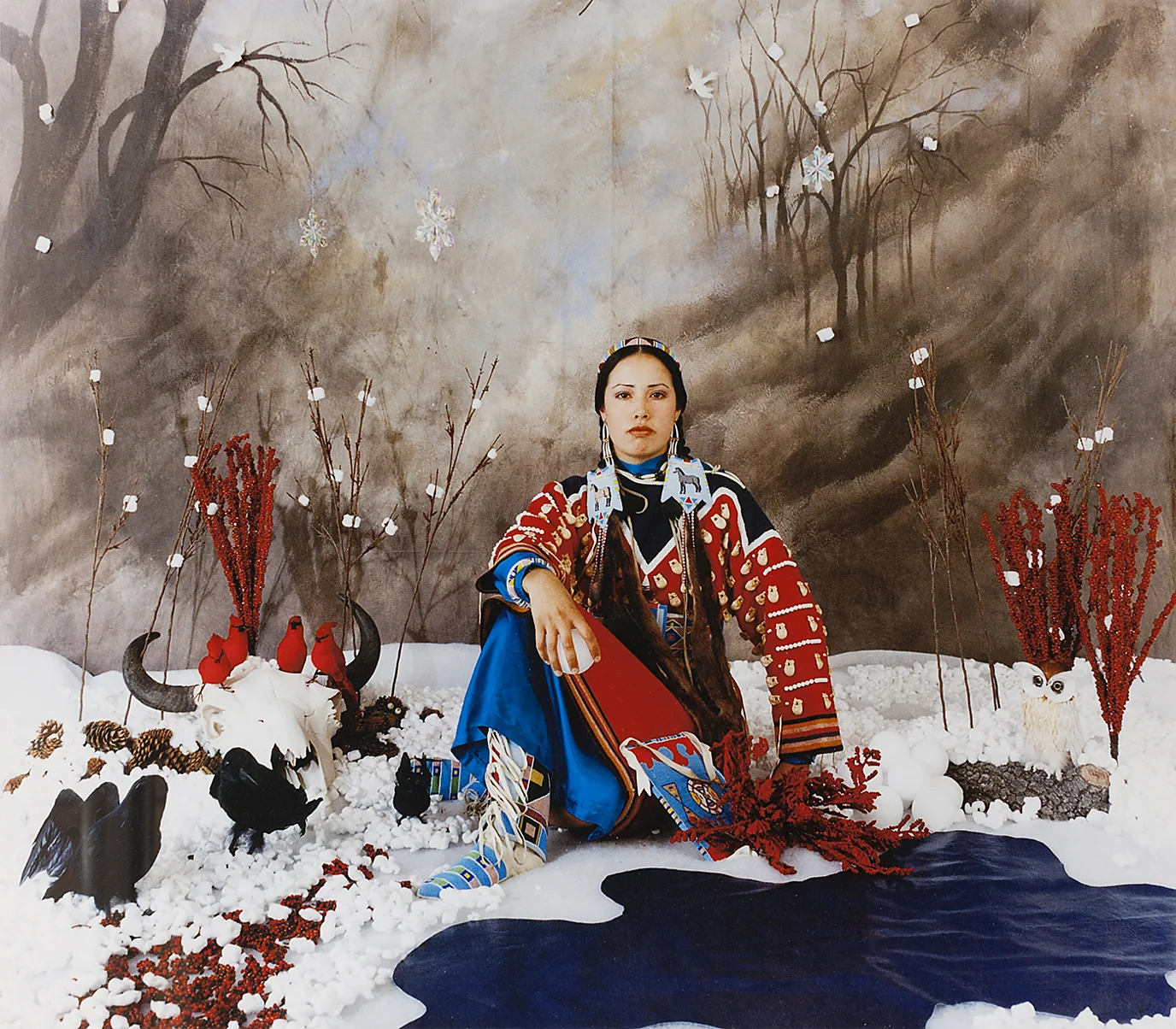
Her photograph Winter, displayed at the National Gallery of Canada as part of the exhibition Winter Count: Embracing the Cold, does exactly this. At first glance, the picture may feel puzzling. Something seems slightly off, prompting viewers to wonder what they are missing. A second look reveals that the artwork’s power lies in this tension. Red Star encourages viewers to examine not only the image but also their own assumptions, asking them to consider what they expect from Indigenous representation and why.
An exhibition that reframes the season
Winter Count pairs works by First Nation artists with those created by Canadian settlers, British painters and European artists from the nineteenth century to today. The goal is to explore how different cultural groups experience and interpret the cold season. In that context, Winter becomes an invitation to consider how people from differing backgrounds perceive one another. Red Star’s piece highlights the ways Indigenous experiences have often been misinterpreted or overlooked, prompting reflection on what it means to truly see a culture rather than merely imagine it.
A deeply personal presence in the frame
Born in Billings, Montana, in 1981 and an enrolled member of the Apsáalooke tribe, Red Star places herself at the centre of the tableau. She stands in brilliantly coloured traditional clothing that she crafted herself, incorporating elk teeth and beadwork that are historically accurate representations of Crow tribal attire. Her outfit, vibrant and meaningful, commands attention. Yet her distant, almost melancholic expression asks viewers to linger. This contrast between authenticity and emotion leads us to question the setting around her.
A landscape that reveals uncomfortable truths
The background against which Red Star stands is not a sweeping natural landscape but a constructed scene. The artificial backdrop mimics the style commonly used in early studio photographs of Indigenous people, which often misrepresented their lives and cultures. By placing herself within this staged environment, Red Star highlights the disconnect between real Indigenous experiences and the fictional images that have shaped public perception for generations. Her work invites viewers to see how Indigenous people have been portrayed through someone else’s lens and to recognise the lasting effects of those distortions.
Humour as a powerful cultural tool
Although the themes she explores are serious, Red Star intentionally uses humour to draw people in. She believes that humour helps audiences let their guard down, making them more open to examining difficult topics such as identity, stereotype and historical misrepresentation. By blending satire with cultural accuracy, she creates space for both critique and connection. Her ability to provoke thought through wit allows her artwork to resonate with viewers from many backgrounds, encouraging learning rather than defensiveness.
An artwork that reshapes understanding
Winter is far more than a striking photograph. It is a layered commentary on how Indigenous people have been viewed through history and how they continue to reclaim their own narratives. Red Star’s work challenges audiences to move beyond surface impressions and consider the deeper truths embedded in her images. Through humour, authenticity and carefully constructed visual language, she compels us to rethink what we believe we know. Her presence in the frame becomes both a personal statement and a cultural intervention, reminding us that representation carries both power and responsibility.