Tech
Why the US Wants Europe to Loosen Its Big Tech Rules


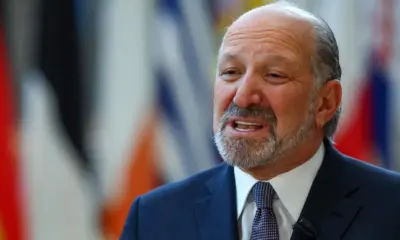
Trade discussions between the United States and Europe have taken a sharp turn as the US pushes for changes to European rules affecting major technology companies. According to comments from US Commerce Secretary Howard Lutnick, Europe should rethink its strict digital regulations if it hopes to win relief from high tariffs on its steel and aluminium exports. His remarks surfaced while officials from both sides met in Brussels to revisit the trade framework they agreed to earlier in the summer.
What the previous deal promised
In July, the US and the European Union reached a deal that was supposed to ease tensions. The agreement set tariff rates on European products at fifteen percent, which was much lower than earlier threats. Europe, in exchange, committed to making investments and creating conditions that would allow more American agricultural goods into its markets. European officials expected that their metals exports would receive similar relief especially since the negotiations had been framed as a step toward lowering barriers on both sides.
Why Europe is unhappy with the current situation
Despite the deal, European metals are still facing a fifty percent duty, and the US has actually expanded the list of products affected. The EU is now pushing for carve-outs for other goods as well, including wine, cheese, and pasta. These requests mirror the exemptions the Trump administration recently granted for items such as tropical fruit and coffee. European leaders believed the summer deal would lead to progress, but instead, they feel that obstacles have grown.
The US demands in return for tariff cuts
During a briefing US Trade Representative Jamieson Greer said the US expected Europe to honor its commitment to reduce tariffs on American goods before it would consider granting exemptions for European industries. Both he and Secretary Lutnick emphasized that any reduction in metals tariffs would require concessions from Europe on its digital policies. Lutnick explained that the US wants Europe to adopt regulations that do not discourage American technology companies and that greater flexibility would make it easier to move forward on the metals issue.
Why tech rules are at the center of the dispute
The United States has long argued that digital services taxes in Europe unfairly target American firms. These taxes often apply to companies earning revenue through digital advertising or streaming services once they surpass certain thresholds. US companies also object to elements of the European Digital Markets Act which came into force last year. The law was designed to increase competition in the tech industry and set rules requiring companies like Apple to allow their devices to work more easily with products made by other brands. American firms view these rules as restrictive and believe they put them at a disadvantage in the European market.
The political backdrop shaping expectations
Many technology companies expected a different approach after Donald Trump returned to office. They hoped he would more aggressively defend them in disputes involving digital regulations and taxes. The Biden administration took a more restrained stance and often let companies handle challenges directly rather than intervening. With Trump in power again many in the industry anticipated a tougher US position on European digital rules. Lutnick’s comments suggest that this expectation is now becoming part of broader negotiations.
Europe’s response to US pressure
European officials however maintain that their digital policies are not negotiable. European Trade Commissioner Maroš Šefčovič stated that the EU had reaffirmed this position when the issue arose in the recent meeting. European leaders argue that their regulations were created to ensure fair competition and to protect consumers and they do not intend to weaken them. The standoff highlights how two major economic powers are struggling to balance trade interests with their own regulatory priorities.