Tech
What Are the Most Effective Ways to Detect and Disable Drones Today?

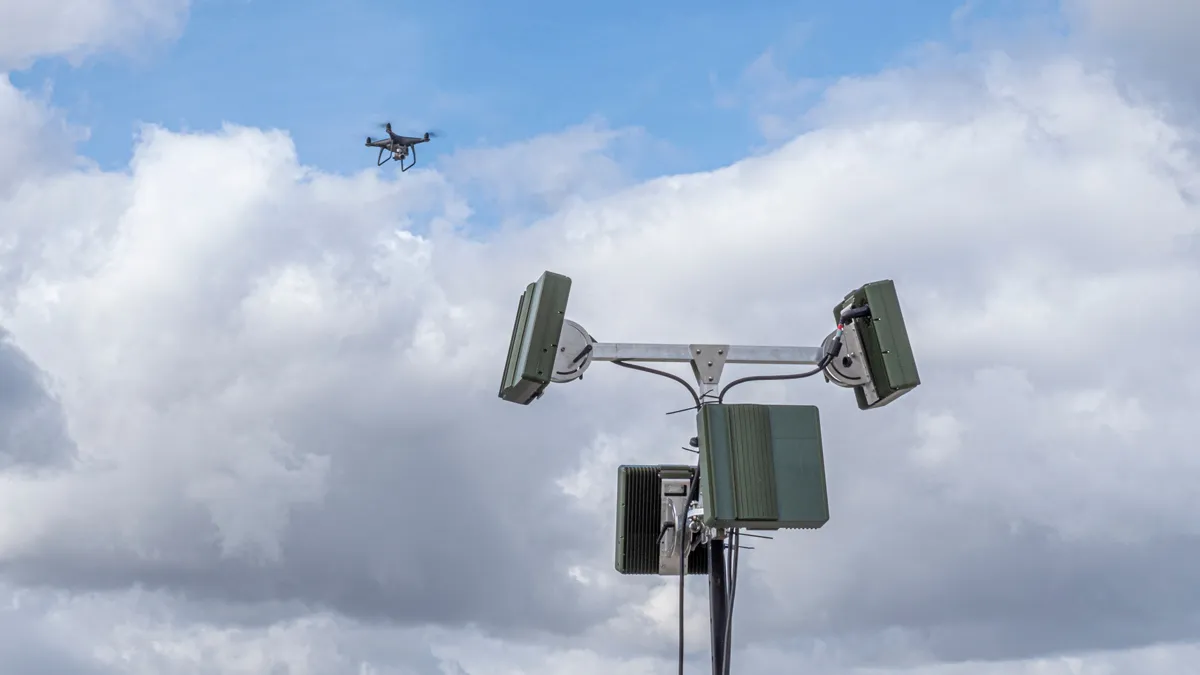
In Aalborg, a city in northern Denmark, the defence technology company MyDefence has been experiencing a surge in demand. The firm specialises in equipment that can detect and disrupt drones, a capability that has rapidly become essential for both military and civilian sectors. Chief executive Dan Hermansen says that until recently, most of their clients were defence organisations, particularly within NATO and Ukraine. However, in the past few months, the customer base has expanded significantly. Critical infrastructure operators, large corporations and private security sectors are now seeking ways to protect their facilities from unwanted drone activity.
How Drone Jamming Works
The small box-shaped devices produced by MyDefence are designed to interfere with communication signals between a drone and its operator. According to Mr Hermansen, the device identifies the radio frequencies being used and emits a powerful signal of its own, breaking the connection. Instead of causing the drone to drop suddenly, which could be dangerous, the system pushes it away and forces a controlled landing. If the drone attempts to switch to GPS navigation, the jammer can block that as well. He estimates that this method works against roughly eighty to ninety percent of drones currently in use. Still, because jamming technology can interfere with other communications, its use is heavily restricted and typically allowed only for law enforcement or military agencies.
Difficulties in Identifying Incoming Drones
Before a drone can be stopped, it must first be detected, and that task is becoming increasingly challenging. Kasper Hallenborg, director of The Maersk McKinney Moller Institute at the University of Southern Denmark, explains that detection and interception form the two major pillars of counter-drone action. The first step, identification, is complicated because drones come in many shapes and sizes. Andreas Graae from the Danish Defence Academy says drones can be made of plastic or fabric, making them difficult to spot using conventional radar systems.
Technologies Improving Drone Detection
To address these challenges, engineers are developing a range of innovative detection tools. Acoustic sensors are now able to recognise the distinctive buzzing noise of drone propellers. High-resolution optical cameras allow operators to visually track even small objects at long distances. At the same time, new tactical radar systems can differentiate between a bird and a drone by analysing movement patterns and flight behaviour. These combined technologies are helping authorities detect drones far more accurately than in the past.
How Ukraine’s Battlefield Influences Drone Defence
Electronic jamming technology has advanced rapidly due in part to the conflict in Ukraine. Mr Graae notes that large parts of the front line are so saturated with jamming signals that drone operators often lose control of their aircraft. As a result, both Russian and Ukrainian forces have adapted by using drones attached to fibre optic cables, which make them immune to radio interference. Others have shifted to drones that can fly autonomously along pre-programmed routes, making them harder to disable electronically.
New Interceptor Systems Emerging
Drones that cannot be jammed must be physically intercepted or destroyed. This has led to a new wave of companies creating innovative defence systems. One of them is Nordic Air Defence, a Swedish start up developing a low cost drone interceptor. According to business director Jens Holzapfel, their system is designed to rapidly strike the hostile drone, forcing it to crash. He says the interceptor resembles a small missile, travels at high speed and is highly affordable because it can be produced using 3D printing.
An Evolving Field of Defence
Drone threats are evolving quickly, and so are the technologies designed to counter them. From sophisticated detection tools to autonomous interceptors, the race to stay ahead of increasingly advanced drones continues to shape modern security practices.