Tech
US Condemns EU Over “Suffocating Regulations” After X Is Fined for Misleading Verification System

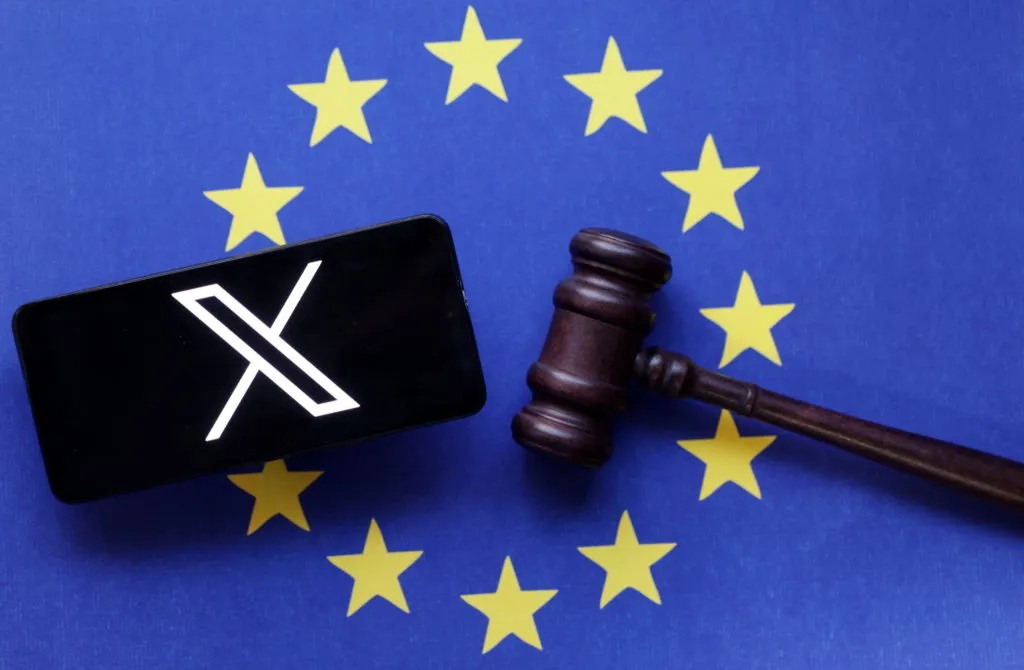
The European Union has issued a one hundred twenty million euro fine against X, the social media platform owned by Elon Musk, accusing the company of misleading users through its paid blue tick verification system. Under EU rules, a blue checkmark is expected to signal that an account has been verified as authentic. Regulators say X’s current system, which allows users to purchase a blue badge without confirming their identity, fails to meet these standards. According to the European Commission, this approach “deceives users” into believing they are interacting with verified individuals, when in reality the platform is not meaningfully verifying who is behind the account.
EU Says Paid Verification Exposes Users to Fraud
The Commission went further, arguing that X’s policy significantly increases the risk of scams and impersonations. By allowing anyone to purchase what appears to be an authenticity badge, regulators say the platform creates a false sense of trust. This loophole, according to the EU, makes it easier for malicious actors to impersonate public figures, companies or trusted sources. The Commission highlighted that such impersonation can lead to fraud, manipulation and coordinated misinformation campaigns, especially during politically sensitive periods. The fine is part of a broader push under the Digital Services Act, which aims to hold large platforms accountable for user safety and transparency.
US Officials Accuse EU of Overreach and Anti American Bias
The penalty has sparked strong criticism in Washington. US Secretary of State Marco Rubio and officials from the Federal Communications Commission accused the European Union of using regulatory power to target American companies unfairly. Rubio described the EU’s policy environment as “suffocating regulations” designed to impose European values on US based platforms. He argued that measures framed as user protection may, in practice, limit free expression and innovation. FCC officials echoed his concern, claiming the EU is increasingly weaponising digital policy to pressure or punish American tech firms operating in the region.
A Growing Divide in Global Tech Governance
The dispute highlights the widening gap between European and American approaches to regulating digital platforms. While the United States tends to emphasise open markets and minimal intervention, the EU takes a more proactive stance, prioritising consumer protection and digital safety. The blue tick issue reflects deeper disagreements over how much responsibility platforms should bear in verifying user identities and preventing misinformation. For Europe, verification systems play a critical role in combating online manipulation. For many policymakers in the US, strict verification rules raise concerns about privacy, bureaucracy and the chilling effects of heavy regulation.
Elon Musk’s Platform Continues to Clash With Regulators
X has repeatedly come under scrutiny from European authorities since Musk acquired the platform. Under his ownership, the company restructured its content moderation teams, reduced staff and shifted toward a more open, less restrictive posting environment. These changes have drawn criticism from the EU, which argues that platforms of X’s size must comply with rigorous safety standards. Musk has defended his policies by claiming that transparency, community moderation and open algorithms offer better protection than traditional verification systems. The company is expected to appeal the fine, potentially setting the stage for a lengthy legal dispute.
What Comes Next for X and Transatlantic Tech Relations
As tensions escalate, the case may become another flashpoint in the debate over global tech regulation. How X responds could influence how other platforms handle verification, identity checks and compliance with European rules. The outcome may also shape broader diplomatic discussions on digital governance between the US and EU. With both sides standing firm, the dispute serves as a reminder that the battle over who sets the rules for the internet is only becoming more intense.