Business
UK house prices rise in February as inflation fears cloud housing market outlook

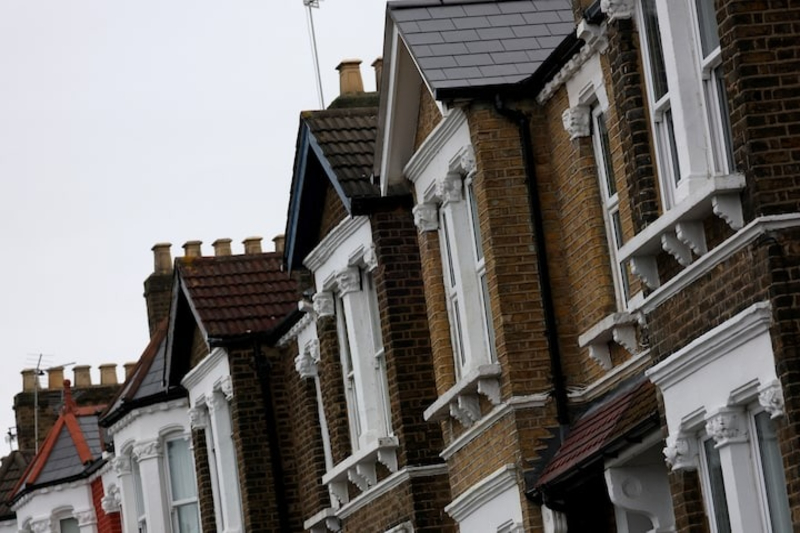
House prices across the United Kingdom increased in February at the fastest annual pace in several months, according to newly released market data, but rising inflation concerns and geopolitical tensions are casting uncertainty over the outlook for the housing sector. Property values rose 1.3 percent compared with the same period last year, marking the strongest annual growth since October. The increase exceeded expectations among economists and suggests that the housing market has regained some momentum after a slower period toward the end of last year. However, analysts warn that growing economic pressures, particularly rising energy costs and interest rate uncertainty, could influence the pace of growth in the months ahead.
The monthly figures also showed property prices increased by around 0.3 percent during February compared with January. Although this gain matched forecasts from economists, it represented a slower increase than the 0.8 percent growth recorded the previous month. Housing lenders say the property market is showing signs of resilience despite economic headwinds, but affordability challenges remain significant for many buyers. Rising living costs and higher borrowing expenses continue to affect household budgets, limiting the ability of some prospective buyers to enter the market even as demand for housing remains relatively strong in several regions of the country.
Mortgage lenders have begun adjusting their interest rates in response to shifting expectations about monetary policy and inflation. The average two year fixed mortgage rate has climbed to approximately 4.84 percent after several months of gradual declines earlier this year. Those earlier declines were largely driven by expectations that the Bank of England might soon begin lowering interest rates as inflation eased. However, the recent surge in global energy prices linked to tensions in the Middle East has prompted financial markets to reconsider the likelihood of rapid rate reductions. Rising swap rates, which lenders use to determine mortgage pricing, have also increased sharply during the past week.
Economists say the changing outlook for interest rates could play a major role in shaping the housing market during the remainder of the year. While inflation had been gradually declining earlier in the year, energy price volatility has raised the possibility that price pressures could remain elevated. If inflation remains higher than expected, the Bank of England may decide to keep borrowing costs elevated for longer in order to maintain price stability. Financial markets that previously expected multiple interest rate cuts during the year have already scaled back those forecasts as geopolitical risks continue to influence economic expectations.
The latest figures also highlight mixed signals across Britain’s broader housing and construction sectors. While property prices are increasing modestly, activity in housebuilding has slowed due to economic uncertainty and high construction costs. Data from the construction industry indicates that the sector has experienced a prolonged slowdown, with new residential development declining in recent months. A shortage of available homes for sale continues to place upward pressure on prices even as builders struggle to expand supply quickly enough to meet demand.
Government policy is also expected to influence the future direction of the housing market. The administration led by Prime Minister Keir Starmer has emphasized the importance of increasing housing supply by accelerating construction and supporting new development projects. However, industry experts say it may take time before new policies translate into a significant increase in available housing. Planning restrictions, land availability and construction costs remain major challenges for developers across the country.
Housing analysts say the market now faces a delicate balance between modest price growth and the risk of slower activity if borrowing costs remain high. The number of mortgage approvals for home purchases recently fell to its lowest level in two years, suggesting that some buyers may already be delaying decisions while waiting for clearer signals on interest rates. As global economic uncertainty continues and inflation risks remain present, the performance of the housing market will likely depend on how quickly financial conditions stabilize and whether policymakers succeed in supporting both affordability and supply.