News
UK Government Plans Tougher Migration Policy With New Rules for Asylum Support

The United Kingdom is preparing to introduce stricter migration policies that will reduce support for certain asylum seekers as part of a wider effort to reform the country’s immigration system. The government announced that financial assistance and accommodation could be withdrawn from asylum applicants who break the law, work illegally or are able to support themselves. Officials say the policy is intended to create a more structured and accountable asylum system while addressing growing political pressure surrounding immigration policy in Britain.
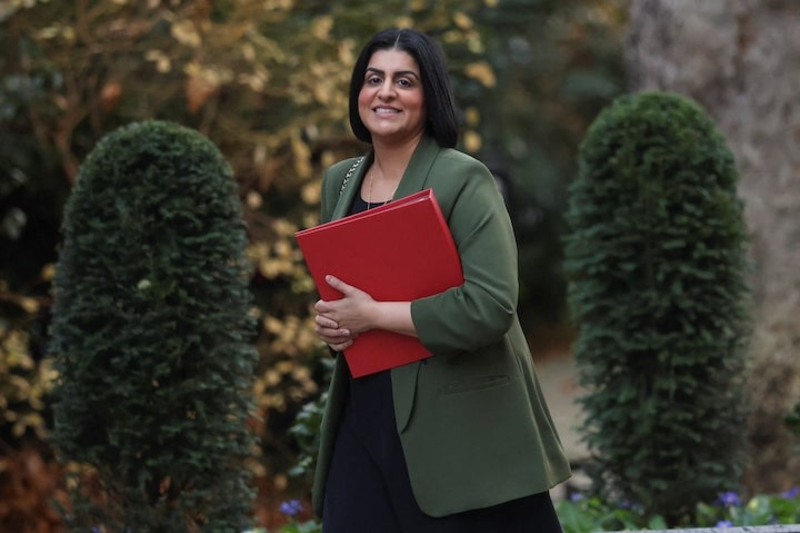
Home Secretary Shabana Mahmood outlined the proposed measures as part of a broader migration overhaul aimed at tightening enforcement and reducing long term reliance on state funded support. The government plans to introduce new rules that would make assistance conditional on compliance with immigration laws and regulations. According to officials, individuals who follow legal processes and cooperate with authorities will continue to receive support, while those who violate the rules may lose access to housing and financial aid provided during the asylum process.
One key element of the reform plan involves a pilot program designed to encourage failed asylum seekers to leave the country voluntarily. Under the proposal, individuals whose applications have been rejected could be offered financial incentives to return to their home countries. The scheme could provide payments of up to ten thousand pounds per family member, with a maximum total available to families. Authorities say the initiative aims to reduce the number of individuals remaining in the country after unsuccessful asylum claims while easing pressure on the immigration system.
The policy changes also include plans to revise the legal framework governing refugee support. The government intends to remove an existing legal obligation that guarantees long term assistance for refugees and instead introduce a more conditional structure for residency. Under the proposal, the initial period of permission to remain in the country for recognised refugees would be shortened to two and a half years. Officials say the change is designed to ensure that continued residency is linked to integration, legal compliance and employment participation.
Migration policy has become an increasingly sensitive political issue in the United Kingdom, with debates intensifying as public concern about border control and immigration management continues to grow. Prime Minister Keir Starmer’s government is attempting to balance competing political pressures as it reshapes the country’s asylum system. On one side, critics argue that stronger enforcement is needed to manage irregular migration, while others warn that restrictive policies could undermine humanitarian commitments and international obligations.
Political dynamics have also influenced the timing of the proposed reforms. The government has faced pressure from opposition groups and emerging political movements that advocate stricter immigration controls. At the same time, some members within the governing party have expressed concerns about moving too far toward restrictive policies. Officials say the goal is to create an approach that combines firm enforcement with a system that still provides protection for those who genuinely need asylum.
The migration overhaul will also introduce administrative changes aimed at speeding up the appeals process for asylum decisions. Plans include creating a more streamlined system that allows applicants to handle legal appeals through a single integrated process rather than multiple separate procedures. Authorities believe this could reduce delays and improve efficiency within the immigration system while ensuring that decisions are made more quickly.
Alongside these changes, the government is also considering additional restrictions on certain visa routes if migration levels rise unexpectedly. Officials have discussed the possibility of introducing an emergency mechanism that could temporarily limit certain work and study visas in response to significant increases in immigration. These measures are intended to give policymakers greater flexibility to manage migration flows during periods of high demand.