Politics
UK EU single market: bill sparks alignment row
UK EU single market focus returns as a UK bill prompts debate on regulatory alignment, parliamentary scrutiny, trade friction and future EU talks.


UK EU single market alignment: what the bill changes
Ministers are facing pressure after the publication of draft legislation that, according to its accompanying explanatory material, could create a route for closer regulatory alignment with Brussels in specific sectors. The dispute has become a live issue at Westminster because it touches sovereignty questions that have divided parties since Brexit. In the text and accompanying notes, the government indicates that the UK EU single market could be used as a reference point when setting domestic standards for goods and services. The plan appears to rely on delegated powers in parts of the bill; critics say that could shift decisions away from primary legislation and into ministerial rule making.
Implications for trade and border friction
Business groups and trade specialists are reading the bill through a commercial lens rather than a constitutional one. They argue that day to day frictions at the border are shaped by EU single market rules and the paperwork they can trigger when the UK diverges. Examples cited in parliamentary evidence sessions and industry briefings include conformity checks and labelling differences that can delay consignments, with the burden varying by sector and product category. Ministers say trade gains must be balanced against domestic flexibility and that any alignment would be evidence led. Related pressures on City Hall and wider economic policy are also discussed in London Business Sector Expands with Strong Investment Growth and Economic Transformation.
How Parliament would scrutinise single market-related moves
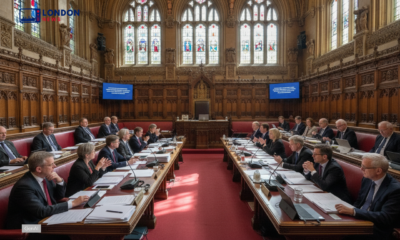
Critics inside Parliament are focusing on the process, not just the policy destination. They argue that if ministers can adopt or mirror parts of the EU’s internal market framework through secondary legislation, Parliament may be left reacting after decisions are effectively made. The House of Commons European Scrutiny Committee has, in past reports and correspondence, warned about how European measures are tracked and debated once they intersect with UK law. MPs are also pushing for clearer reporting requirements, set timetables for updates, and published impact assessments before any step that copies an EU rule. For a snapshot of other current Westminster strains, see London Politics Faces New Pressure Over Housing Transport and Cost of Living Challenges. For background on how markets react to political risk, a related explainer is Bitcoin Hits a Critical Point in the Market Cycle.
EU talks and timing after the bill
Discussion of the wider political context is now running alongside scrutiny of the text. Government advisers have indicated, in media briefings and public commentary, that any future technical agreements with the EU may depend on what regulators can implement quickly at home and how quickly Parliament can approve changes. Ministers insist cooperation can be pursued without reopening the core Brexit treaty, while still seeking smoother trade channels in targeted areas. Any committee stage amendments could narrow the scope of delegated powers and set stronger reporting duties, depending on what MPs table and pass. The next milestones are expected to include the publication of amendments and votes on key clauses, as well as any indications—if they emerge—about joint UK EU working groups on sector standards that affect trade with the EU and the UK EU single market debate.
What it means for the future relationship with Europe
The longer term question is what this approach means for the overall relationship, and whether it signals a more systematic tilt toward alignment. Senior figures and policy advocates argue that alignment can be a tool rather than a destination, allowing the UK to choose where common standards deliver benefits while keeping the option to diverge later. Within that debate, UK EU single market language carries political weight because it implies a benchmark that some MPs reject on principle. Government spokespeople say choices would be reversible and subject to parliamentary control, while opponents warn of a gradual drift that could be difficult to unwind. Departments are expected to continue monitoring EU rule changes and assessing domestic impacts as the bill moves through Parliament.