
Business
UK Energy Price Cap Expected to Rise Around Ten Percent as Global Gas Costs Surge

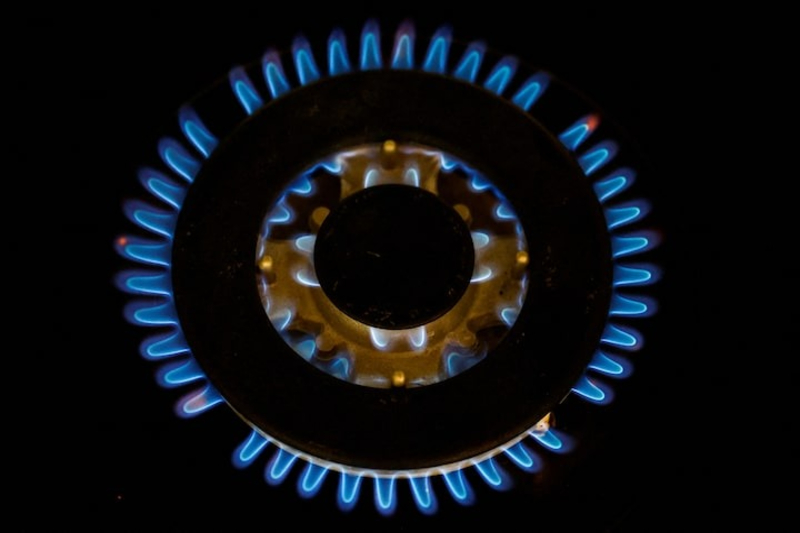
Household energy bills in the United Kingdom could increase again later this year as analysts warn that the domestic price cap may rise by about ten percent in July. The forecast comes amid rising global gas prices driven by disruptions in energy markets linked to tensions in the Middle East.
Energy consultancy Cornwall Insight said the next adjustment to the UK’s energy price cap could lift the annual bill for a typical household to around 1801 pounds. That would represent a significant increase from the expected April cap level of roughly 1641 pounds per year.
The price cap is set by energy regulator Ofgem and determines the maximum amount suppliers can charge households for gas and electricity on standard tariffs. It is reviewed every three months and calculated using a formula that reflects wholesale energy costs along with network expenses and environmental charges.
Wholesale energy prices are the largest factor influencing the cap, and recent developments in global markets have pushed those costs higher. Analysts say gas prices in Britain have surged sharply in recent days, rising more than seventy percent compared with levels seen just a week earlier.
The sudden increase has been linked to disruptions affecting major shipping routes in the Middle East as well as a halt in liquefied natural gas exports from Qatar, one of the world’s largest suppliers of the fuel. Any interruption in global gas supply can quickly impact European markets, including the UK, which relies heavily on international energy imports.
For the British government, a potential rise in energy bills would come at a politically sensitive moment. Prime Minister Keir Starmer’s administration has pledged to address the burden of high energy costs on households following years of volatile prices.
Officials had hoped that earlier measures would help ease pressure on consumers. One recent policy change moved some environmental levies away from energy bills and onto general taxation. The adjustment was designed to reduce the amount households pay directly through their utility charges.
However analysts warn that the predicted rise in the price cap could offset many of those savings. If wholesale gas prices remain elevated in the coming months, the benefits from policy changes may be reduced or completely eliminated for some households.
Energy experts say the situation highlights the continuing vulnerability of the UK energy market to global price movements. Because the country remains dependent on imported fossil fuels, international supply disruptions can quickly translate into higher domestic costs.
Government officials have acknowledged that short term forecasts can change quickly, especially during periods of market volatility. The Department for Energy Security and Net Zero said that predicting the exact level of the price cap months in advance is difficult because wholesale prices can fluctuate significantly.
Regulator Ofgem is expected to confirm the next official price cap level in late May. Analysts say the final figure could still change depending on how global energy markets behave over the coming weeks.
The outlook means households, businesses and policymakers will continue to monitor energy prices closely as geopolitical tensions and supply disruptions influence the cost of gas and electricity across Europe.



