Business
UK Budget May Lower Inflation by Up to 0.5 Per Cent Next Year, Says Bank of England Deputy Governor

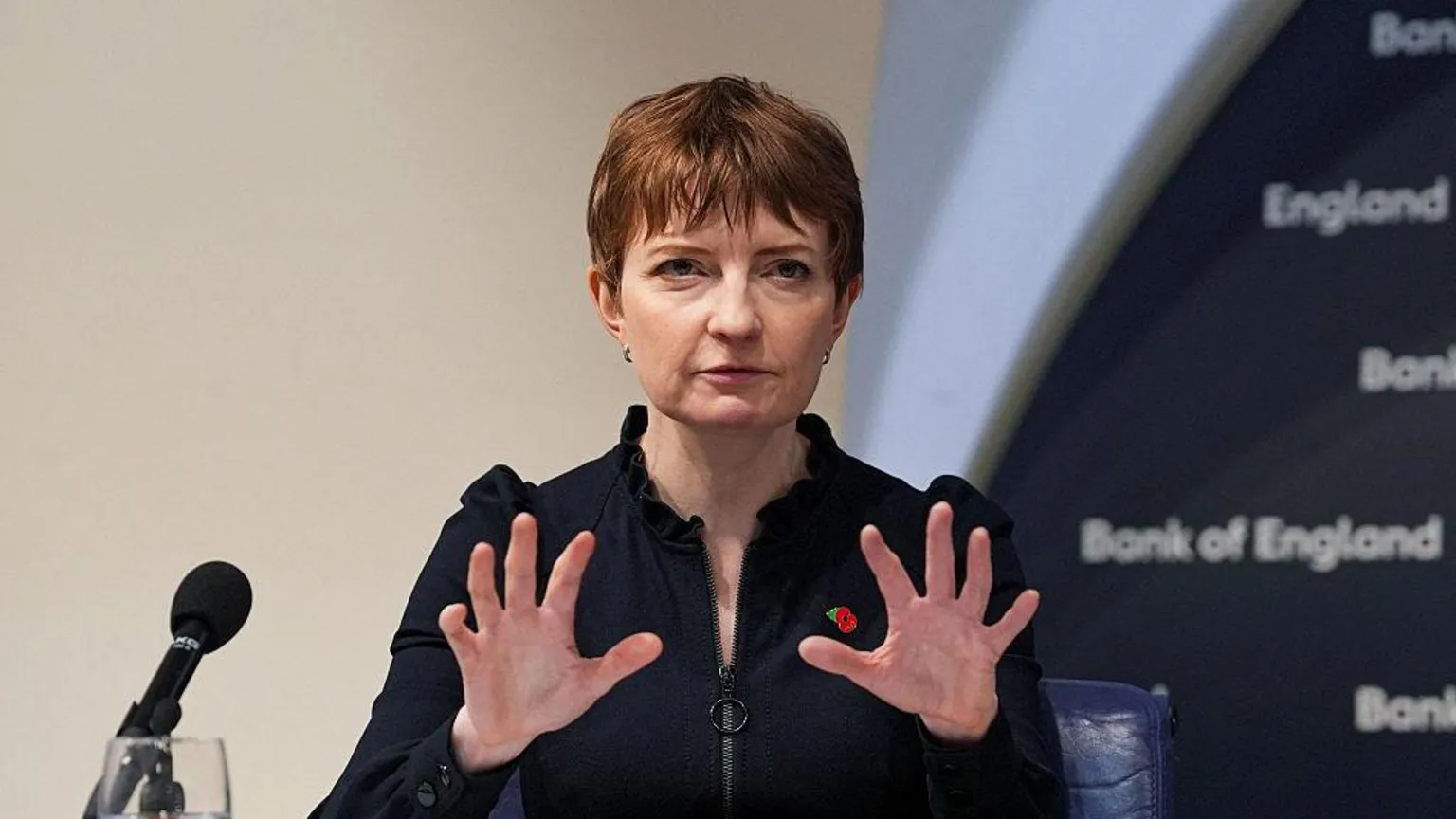
The UK chancellor’s latest Budget could help reduce inflation by as much as half a percentage point next year, according to Bank of England deputy governor Clare Lombardelli. Speaking to the Treasury committee in Parliament, she explained that decisions taken by Chancellor Rachel Reeves in November are likely to slow the pace of rising prices from April 2026. Her comments add fresh insight into how the government’s economic strategy may influence everyday costs for households.
Lombardelli told MPs that the combination of capping fuel duty, reducing energy prices and freezing rail fares would play a key role in pushing inflation down. These measures, she said, directly lower some of the most significant expenses faced by consumers, creating a mechanical effect that feeds into inflation calculations. Her remarks slightly exceed the estimation of the Office for Budget Responsibility, which predicted the Budget would cut inflation by 0.4 per cent.
How the Bank Calculated the Impact
Current UK inflation stands at 3.5 per cent. The OBR expects this to fall to 2.5 per cent next year, before gradually returning to the Bank of England’s two per cent target by 2027. Lombardelli said the policies introduced in the Budget would lower inflation by between 0.4 and 0.5 percentage points for one year starting in the second quarter of 2026.
She clarified that this reduction is driven mainly by straightforward adjustments to energy bills, fuel duty and the cost of travelling by rail. These items have an outsized effect on inflation because they touch nearly every household and influence business operating costs. By moderating these price pressures, the government effectively slows the rate at which overall prices increase, even if underlying economic conditions remain challenging.
What the Budget Introduced for Households
Reeves’ Budget included a number of steps designed to relieve pressure on consumers dealing with high living costs. The government extended the five pence cut in fuel duty until September next year, offering some relief to drivers. It also removed green levies from energy bills and shifted them into general taxation. This change, according to Treasury estimates, will save the average household around eighty eight pounds each year. The chancellor additionally scrapped a customer funded scheme intended to help low income families insulate their homes, which will save households a further fifty nine pounds.
One of the standout measures was the decision to freeze rail fares until March 2027. This marks the first multi year freeze in decades and pauses a long standing practice in which fares rise each January according to the Retail Price Index. For commuters facing rising costs across the board, the freeze offers some predictability and financial breathing room.
However, the Budget also introduced a new road tax for electric and hybrid vehicles. From April 2028, electric car owners will pay three pence per mile, while drivers of plug in hybrids will be charged one and a half pence per mile. These rates will then increase annually in line with inflation. The government argues that this shift ensures all road users contribute fairly to infrastructure and maintenance costs.
Mixed Expectations for Economic Growth
While Lombardelli’s comments are likely to be welcomed by the government as it works to bring inflation back under control, the broader economic impact of the Budget appears to be more limited. When asked about how the measures might influence growth, she noted that the effects were relatively small. Despite Labour’s push to revive the economy and make growth its central mission, the deputy governor suggested that the Budget would not dramatically alter the country’s growth trajectory.
A Modest Boost in a Challenging Economic Climate
Even so, the reduction in inflation provides a symbolic and practical boost for Reeves, who has made easing the cost of living one of her top priorities. Lower inflation means slower price increases, which can help households regain confidence and allow incomes to stretch further. As the government continues navigating inflationary pressures and economic uncertainty, the Budget’s impact may serve as an early indication of how policy adjustments can shape the financial landscape in the years ahead.