News
UK Begins Bird Flu Vaccine Trials in Turkeys to Strengthen Disease Control Strategy

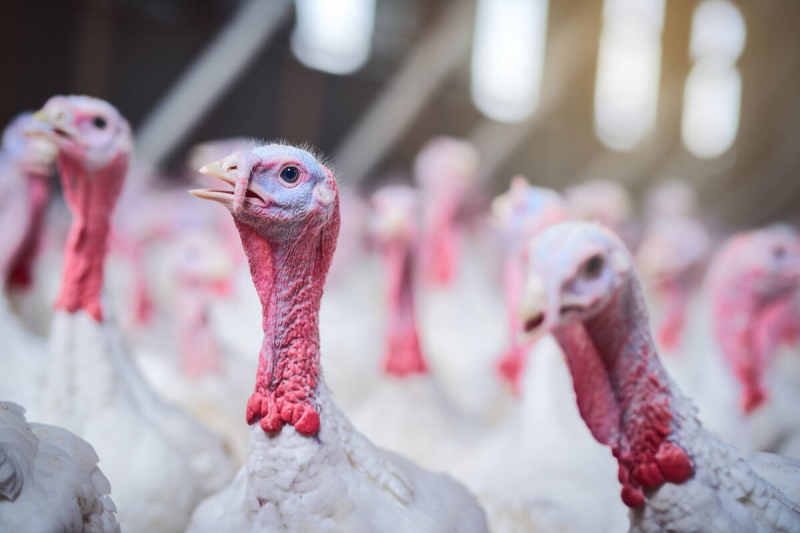
The United Kingdom has launched targeted vaccine trials for bird flu in turkeys as part of a new strategy aimed at strengthening the country’s response to the disease. Authorities confirmed that the program will evaluate whether vaccination can help reduce outbreaks that have affected poultry farms in recent years. The initiative reflects growing concern about the economic and public health risks posed by highly pathogenic avian influenza. By testing vaccines under real farming conditions, officials hope to determine whether vaccination could become an additional tool alongside existing disease control measures.
Bird flu has become a persistent challenge for poultry producers across Europe and other regions, leading to widespread culling of birds and disruptions in food supply chains. The disease spreads rapidly among flocks and can cause significant financial losses for farmers and governments tasked with managing outbreaks. In the United Kingdom, outbreaks of avian influenza have resulted in millions of birds being culled over recent years to prevent the virus from spreading. Authorities say these measures have helped contain the disease but have also placed pressure on the poultry industry and contributed to rising food prices.
The newly launched trials are expected to run for approximately twenty four weeks and will focus on evaluating vaccines that have already been approved for use against avian influenza. Researchers will monitor how effectively the vaccines protect turkeys in real world farming conditions while also examining how vaccination may influence the detection and monitoring of the virus. Officials are particularly interested in ensuring that vaccination programs do not make it more difficult to identify outbreaks, as early detection remains a critical component of disease control strategies.
Turkeys were chosen as the focus of the trial because they are highly vulnerable to bird flu and outbreaks within turkey flocks often lead to severe mortality rates. The species is considered one of the most susceptible poultry groups to the virus, making it an ideal candidate for studying the effectiveness of vaccines. If vaccination proves successful in protecting turkeys from infection, researchers believe the strategy could potentially be expanded to other poultry species in the future.
Government officials say the financial impact of bird flu outbreaks has been substantial for both the public sector and the poultry industry. Annual costs associated with managing outbreaks, compensating farmers and implementing disease control measures have reached hundreds of millions of pounds in recent years. These expenses include payments to farmers whose flocks are culled as well as resources dedicated to surveillance, biosecurity and containment efforts across affected regions.
Vaccination against bird flu has been widely debated within the global poultry industry. Some producers have been cautious about adopting the strategy due to concerns that vaccination could mask symptoms of infection and make it harder to detect outbreaks. There have also been worries that countries importing poultry products might impose trade restrictions on nations using vaccination programs, potentially affecting export markets for poultry producers.
Despite these concerns, several countries have begun experimenting with vaccination as part of their disease management strategies. France introduced a national vaccination program for farm ducks in twenty twenty three and reported that the policy has helped reduce the spread of avian influenza in its poultry sector. Other countries including the Netherlands and the United States have also been conducting trials to examine whether vaccination can effectively limit outbreaks without disrupting international trade.
British officials say the goal of the current trials is to gather scientific data that can guide future policy decisions. Researchers will closely track infection rates, vaccine performance and surveillance outcomes during the trial period. The results are expected to provide valuable insight into whether vaccination can be safely integrated into the United Kingdom’s existing disease prevention framework while maintaining strong monitoring systems and protecting the country’s poultry export markets.