Entertainment
‘The whole city was in love with her’: The ‘It Girl’ style wars of Renaissance Italy

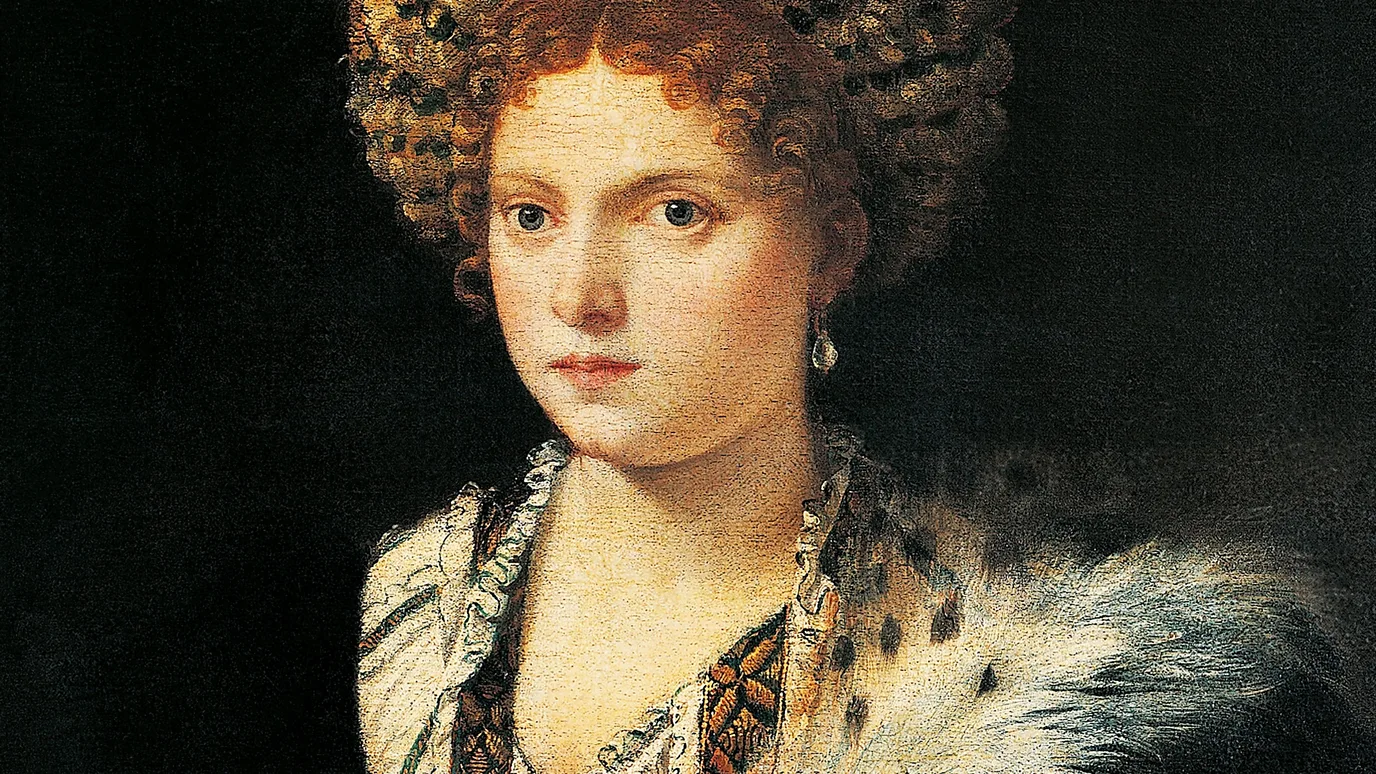
More than five hundred years ago, during one of the most dramatic and politically charged periods of Italian history, a small circle of extraordinary women transformed fashion into a powerful tool of influence. At a time when Italy was divided into rival city states and shifting alliances, these women used style to express status, assert identity and subtly shape social and political conversations. Their elegance and confidence made them early cultural icons, setting trends that travelled far beyond their own courts and that still echo in modern design.
The rise of the original style influencers
Renaissance Italy is often remembered for its groundbreaking painters, sculptors and thinkers, yet its fashion leaders played a quieter but equally fascinating role. Curator Darnell Jamal Lisby, who organised the exhibition Renaissance to Runway at The Cleveland Museum of Art, refers to these women as the “Renaissance It Girls,” linking them to glamorous figures of the 1920s. Their influence stretched across art, culture and society. They demonstrated that clothing could be used deliberately to convey power, intellect and beauty in an age when visual presentation was deeply connected to political strategy.
Simonetta Vespucci, the ethereal icon of Florence
Among these celebrated figures, Simonetta Vespucci stood at the centre of Florence’s admiration. Known for her luminous presence, she quickly became the city’s most adored beauty. Lisby describes her as the woman everyone wanted to resemble or be close to, embodying the ideals of Florentine elegance with her long golden hair and delicate features. Her influence reached far beyond social circles. Simonetta became a muse to leading artists of the time, including Sandro Botticelli, who is believed to have drawn inspiration from her for works such as Portrait of a Young Woman and The Birth of Venus. Her image helped define the aesthetic language of an entire artistic era.
Style as a display of soft power
For Renaissance women, fashion was more than decoration. It was a carefully curated symbol of intelligence, sophistication and strategic awareness. Luxurious fabrics, bold colour choices and intricate designs sent subtle messages about a woman’s alliances, her family’s influence and her own sense of agency. Clothing could elevate standing in courtly environments where appearances shaped perceptions. These women understood that commanding attention could be a form of diplomacy, especially in a time governed by powerful families, political tension and artistic rivalry.
Legacy that stretches into modern fashion
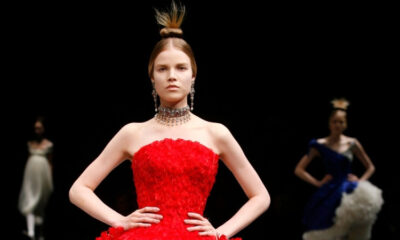
The impact of the Renaissance It Girls did not remain confined to their own period. Designers in the twenty first century continue to reference their style, drawn to the drama, confidence and expressive silhouettes that defined the era. Their influence can be seen in modern haute couture collections that revive Renaissance shapes, rich fabrics and symbolic details. They laid early foundations for the idea that personal style could hold cultural significance and communicate identity in ways that words alone could not.
A cultural moment that continues to fascinate
What makes these women so compelling today is not only their beauty but the way they navigated a male dominated world with remarkable subtlety. They transformed their wardrobes into statements of power and creativity, inspiring artists and captivating entire cities. Simonetta Vespucci and her contemporaries remind us that history is shaped not only by political leaders and great thinkers, but also by cultural figures who expressed their influence through elegance and imagination. Their role in shaping Renaissance identity shows how fashion, artistry and social power can weave together to create lasting legacies.