Tech
The Hidden Energy Cost Behind the Rise of AI Reasoning Models

Artificial intelligence has officially stepped into its reasoning era, and tech companies are excited to show off models that can analyze problems, think step by step, and mimic the kind of logical explanations people give when they are trying to sound clever. These models feel impressive, but they come with a high and often overlooked cost. They use enormous amounts of energy every time they work through a problem. The smarter they get, the more power they consume, and this growing appetite is raising concerns among researchers who are watching the environmental impact rise alongside the technology itself.
The brainy upgrade is not exactly cheap
Older AI systems already required serious computing strength, but reasoning models take everything to a dramatically higher level. Instead of giving a quick and simple answer, they process multiple possibilities, examine details, and analyze patterns as if they are thinking out loud. This depth requires more servers, more cooling, and more electricity. Tech companies highlight the intelligence, but hidden behind the excitement is an industry that is pushing data centers harder than ever. What once felt like a victory for innovation is now becoming a struggle to balance performance with energy demands.
The world behind the servers
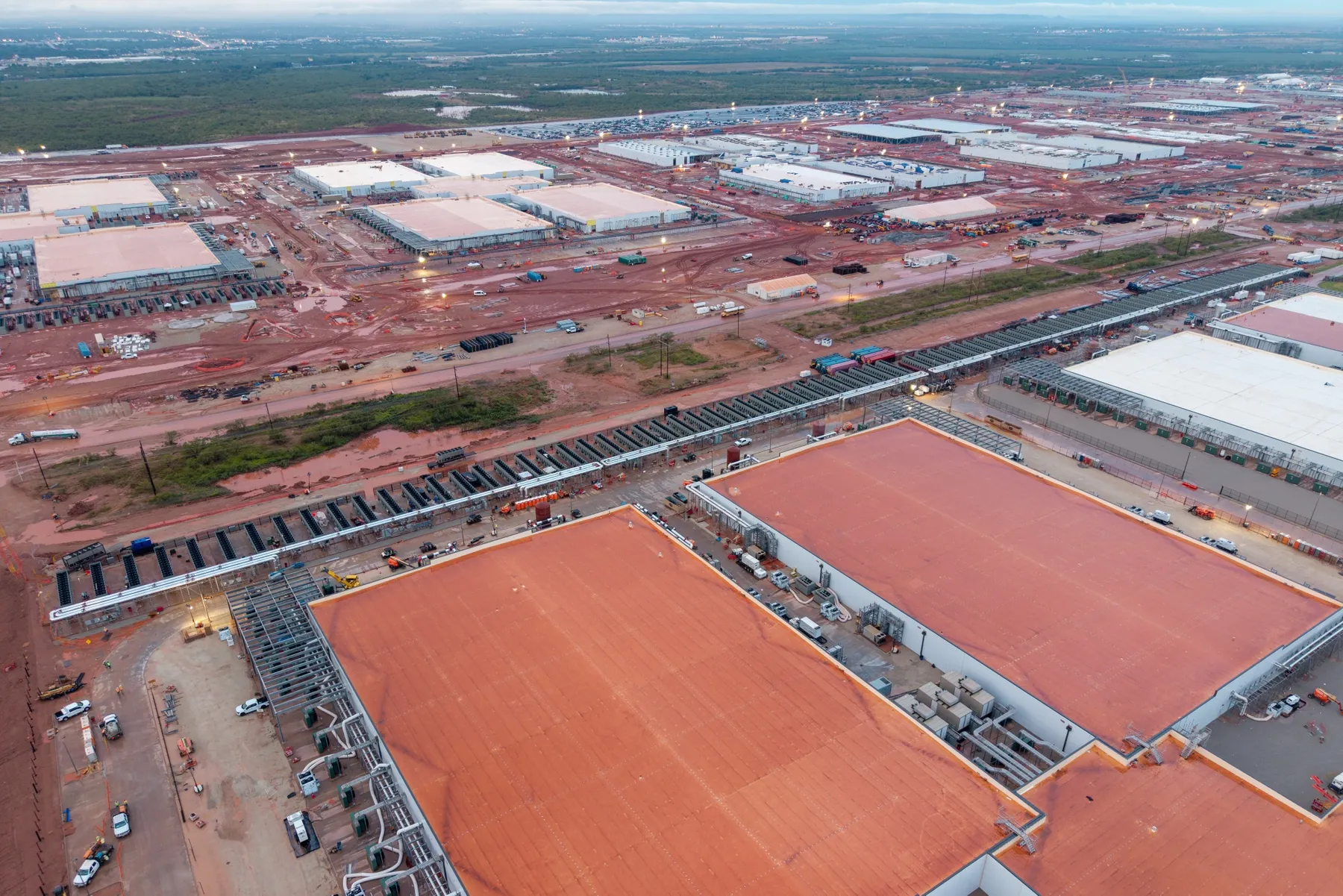
To make these models function, companies rely on rows of high-powered processors running constantly. These machines are capable of impressive performance, but they also demand steady cooling and nonstop electricity. Many data centers already consume as much energy as a small town, and the rise of heavy reasoning workloads is increasing the strain. Some regions are reviewing their power infrastructure because the growth of AI is happening faster than expected. A technology that once existed quietly in the background is now influencing large-scale energy planning.
The environmental question becomes harder to ignore
Supporters believe AI can help improve climate solutions by optimizing resources, predicting energy usage, and supporting environmental research. Critics argue that the models themselves consume so much energy that they risk adding to the very problem they are supposed to help solve. If reasoning models become standard tools across industries, their carbon footprint could expand rapidly unless cleaner power sources are adopted. This debate is becoming unavoidable as the environmental consequences of advanced computing gain more attention.
Searching for smarter and greener solutions
Researchers are now focusing on how to make reasoning models less demanding. Some are redesigning the internal structure to cut out unnecessary computations. Others are building specialized chips that perform reasoning tasks with far greater efficiency. A few companies are experimenting with data centers powered entirely by renewable energy although this remains costly and difficult to scale. The long term goal is clear. The technology must grow in intelligence without draining global resources. Achieving this balance will take cooperation among engineers energy specialists and policymakers who understand the urgent need for sustainable innovation.
A future shaped by choices
Reasoning models represent one of the most exciting steps forward in artificial intelligence. They can transform scientific discovery support complex medical decisions and make learning tools far more intuitive. Yet every technological breakthrough comes with responsibility. The energy cost behind this progress is significant and cannot be ignored. If the world chooses to invest in cleaner infrastructure and more efficient design the future of AI can be both powerful and sustainable. The rise of reasoning models is only beginning and the decisions made today will determine whether this evolution becomes a benefit to society or another strain on the environment.