Business
Starbucks Workers and Unions in Ten Countries Rally in Support of US Baristas

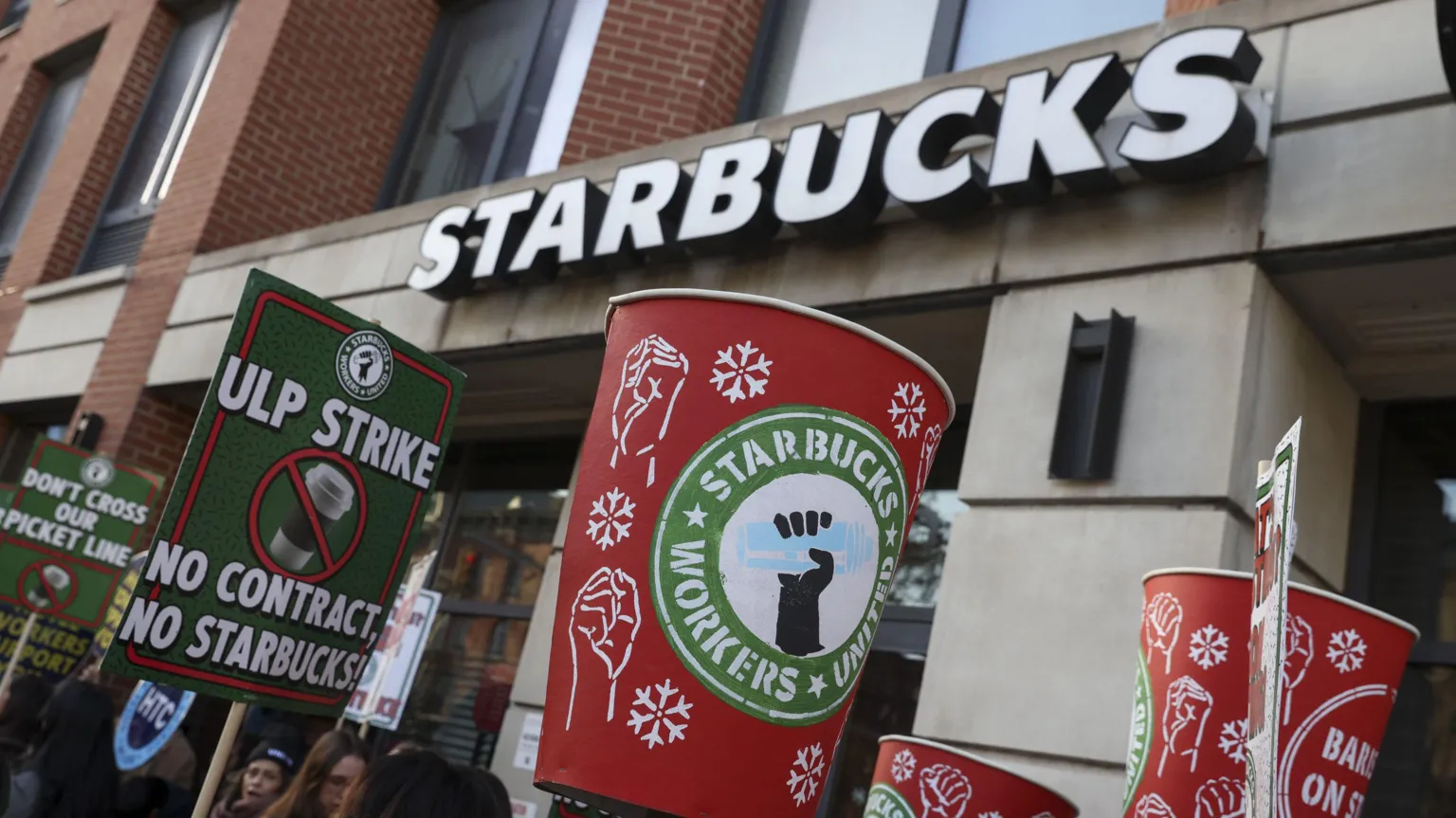
Starbucks workers and union members across ten countries, including England and Scotland, joined coordinated protests on Wednesday in a show of support for striking baristas in the United States. The action was organised by Starbucks Workers United, the union representing thousands of US employees who have been calling for better pay, improved staffing levels and a resolution to what they describe as hundreds of unfair labour practice cases. The protests mark one of the most visible international displays of solidarity in the company’s labour dispute and highlight growing global awareness of conditions faced by service workers.
Why Workers Around the World Are Taking Action
The US strike began last month and has grown quickly, with the union reporting that around three thousand baristas across more than one hundred American cities have joined the movement. Many of these workers say they face understaffing, unpredictable schedules and wages that have not kept pace with rising living costs. The union argues that these challenges affect both employees and customers, as stretched teams struggle to keep up with peak demand while maintaining service quality.
International supporters say they recognise these issues in their own workplaces. Although labour practices vary from country to country, workers abroad share concerns about job security and working conditions in the global service sector. The coordinated demonstrations aim to pressure Starbucks leadership to engage more seriously with union representatives and address long standing complaints in the United States.
Starbucks Responds to Expanding Labour Tensions
Starbucks has pushed back against the union’s claims, emphasising that the strike has affected fewer than one per cent of its stores. The company said the disruption has had no impact on its business operations and maintains that it remains committed to what it calls direct engagement with employees rather than union negotiations. Starbucks has repeatedly stated that it offers competitive pay and benefits and that it disputes many of the union’s allegations.
However, the continued growth of the strike and the international support it has attracted suggest that the issue has become larger than a single workplace dispute. Labour experts note that Starbucks is now confronting a broader debate about organising rights, wage fairness and the role of unions in the modern service economy. As more stores in the United States vote to unionise, the company faces increasing pressure to reach formal agreements.
A Turning Point for Service Sector Organising
The involvement of workers across ten countries underscores how interconnected labour movements have become. Service sector employees, particularly in large multinational brands, are increasingly sharing information, strategies and support across borders. For many, the Starbucks strike represents a symbolic test of whether workers in global chains can successfully organise and influence corporate decision making.
In England and Scotland, union members organised pickets and demonstrations outside stores, holding signs, speaking with customers and raising awareness about conditions in US stores. Similar actions took place in Europe, Asia and Latin America. Participants said they wanted to show that baristas worldwide understand the pressures of fast paced service jobs and believe that workers everywhere should have a voice in how their workplaces are run.
What Comes Next for Starbucks and Its Workers
The growing visibility of the strike presents Starbucks with a challenge that extends beyond short term disruptions. As the company continues to expand globally, it must navigate differing labour expectations and regulatory environments. Failure to address brewing tensions in the United States could influence how workers in other countries view their own relationship with the company.
For Starbucks Workers United, the international support is a morale boost and a signal that their efforts resonate far beyond US borders. The union hopes the demonstrations will strengthen its case for improved pay structures, stable staffing and the resolution of ongoing labour practice disputes.
As both sides hold their ground, Starbucks faces a pivotal moment in determining how it will engage with its workforce in the years ahead. The protests show that the baristas’ fight is no longer just a national story but a global one, reflecting a broader demand for fairness and dignity in service sector work.