
News
Oxford Street Set to Become Traffic Free Zone by End of Summer Under New London Plan

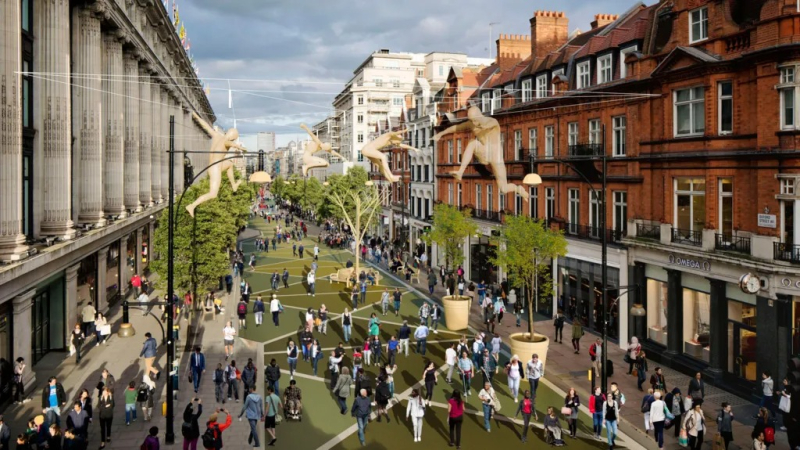
Oxford Street, one of London’s most famous shopping destinations, is set to undergo a major transformation as plans move forward to remove traffic from a central stretch of the historic retail corridor. London Mayor Sadiq Khan has instructed officials to accelerate the project with the goal of turning part of the street into a pedestrian only area before the end of the summer.
The plan will close the section of Oxford Street between Orchard Street and Great Portland Street to nearly all forms of traffic. Private cars, buses, taxis, private hire vehicles, bicycles and pedicabs will be restricted from the area once the changes are implemented. The move is intended to create a safer and more attractive space for shoppers, tourists and local visitors.
City Hall says the transformation aims to modernise Oxford Street and restore its global reputation as a premier retail destination. The area includes major landmarks such as Selfridges at the western end and the recently opened Ikea store further along the street. Officials believe a pedestrian focused environment will encourage more visitors and support businesses that have faced challenges in recent years.
Under the redevelopment plans the road will be redesigned to prioritise people rather than vehicles. The proposal includes wider pedestrian spaces, new greenery, seating areas and public art installations. Trees and landscaped zones are expected to be added to improve the street’s atmosphere and create a more welcoming environment for families and visitors.
The mayor has also proposed turning the newly pedestrianised section into a venue for public events. Officials believe the area could host cultural activities, fashion showcases and sporting celebrations throughout the year, helping Oxford Street evolve into a broader entertainment and retail hub.
Transport authorities say preparations will begin in the coming months. Changes to surrounding roads and bus routes are expected as part of the transition. Transport for London will coordinate adjustments to ensure public transport continues to operate efficiently around the new traffic free zone.
City officials have said that safety will remain a top priority during and after the redevelopment. The plans include upgraded lighting, new CCTV systems and clear signage across the area. Emergency services will still be able to access the street whenever necessary, while servicing vehicles for shops will be permitted to enter during overnight hours.
Supporters of the project argue that pedestrianising Oxford Street could significantly improve the shopping experience while reducing pollution and congestion in central London. Business groups have also expressed optimism that the changes could boost foot traffic and revitalise the retail sector.
However the plan has also drawn criticism from some local leaders. Members of Westminster City Council have argued that the mayor moved forward with the project despite opposition from certain residents and local representatives. Critics say the decision to take direct planning control of the area has raised concerns about how the project was approved.
Despite the debate, City Hall maintains that public consultation showed strong support for the pedestrianisation scheme. The mayor believes the transformation could become one of the defining regeneration projects of his administration and reshape Oxford Street into a vibrant urban destination for the future.



