News
Most of £11bn Lost to Covid Scheme Fraud Now ‘Beyond Recovery’, Commissioner Warns

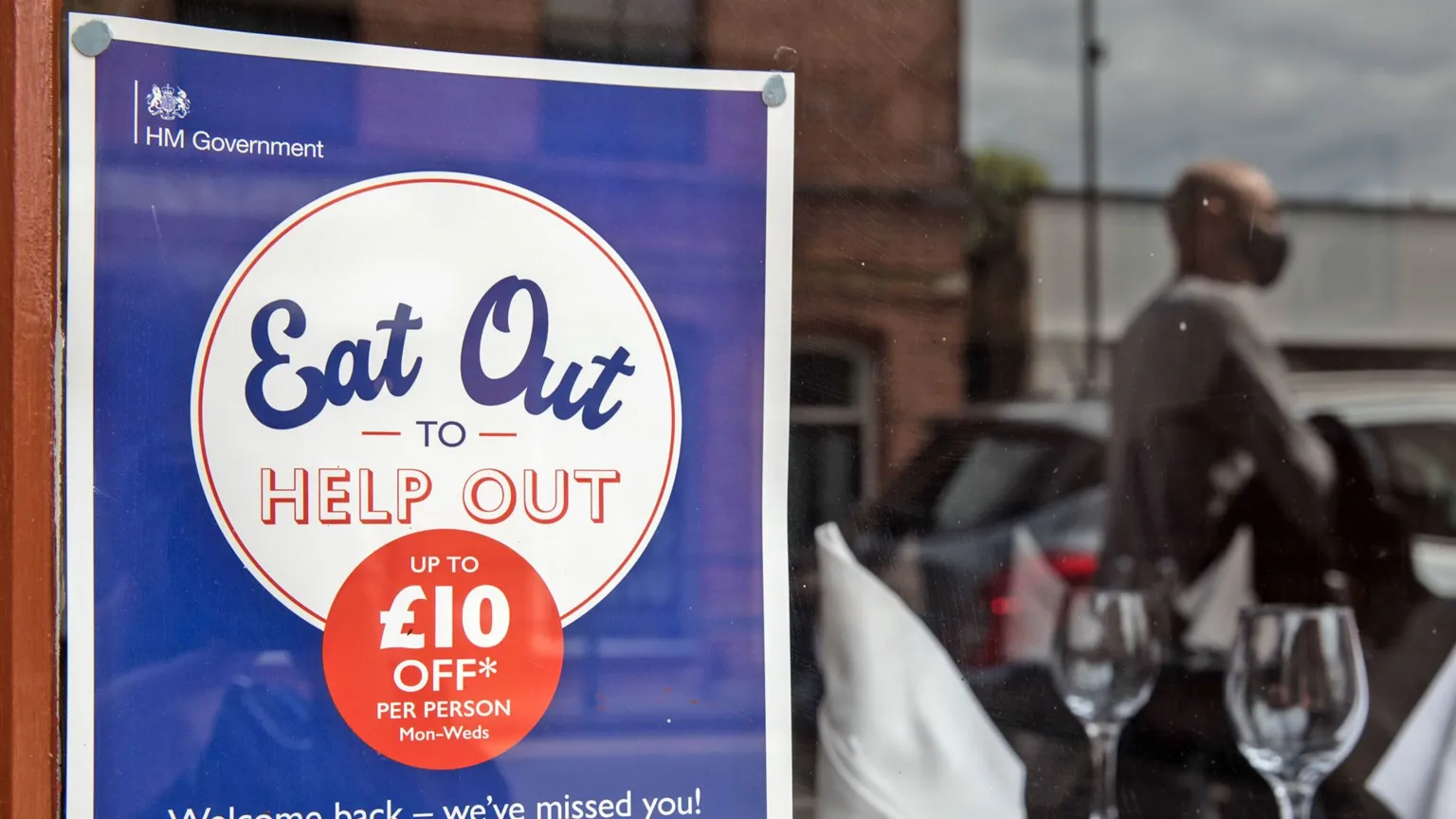
A new official report has revealed that the majority of the £10.9 billion lost through fraud and error in the UK’s Covid support schemes is unlikely ever to be recovered, raising profound questions about oversight and preparedness during the pandemic. The findings were published by the Covid Counter Fraud Commissioner, Tom Hayhoe, who said the scale of financial loss stemmed from emergency spending measures introduced at unprecedented speed and under intense pressure.
Hayhoe said the government’s rapid response to the pandemic required “enormous outlays of public money”, a necessity that nonetheless created fertile ground for fraudsters and placed immense strain on systems that were never designed to manage such volumes of payments. He noted that many departments and partner organisations lacked the infrastructure needed to detect and prevent fraud as funds were rolled out to protect jobs and prevent economic collapse.
According to the report, employment support schemes introduced by the previous Conservative government accounted for the largest proportion of losses. The furlough programme and the Self-Employment Income Support Scheme together suffered an estimated £5 billion in fraud. These schemes were widely credited with keeping businesses afloat and preventing mass unemployment during lockdowns, but Hayhoe said their success did not diminish public anger over the level of exploitation.
“The outrage at the fraud, abuse and error is undiminished,” he wrote, adding that taxpayers were right to expect a full accounting of where the system failed. He warned that recovery efforts had already reached diminishing returns, with much of the missing money now considered “beyond recovery” due to the age of claims, dissolved companies and fraudsters who could no longer be traced.
The report also highlighted weaknesses in verification processes used during the pandemic. In some cases, payments were made based on minimal checks, allowing organised criminal groups as well as opportunistic individuals to submit false claims. Hayhoe said future emergency schemes must strike a better balance between speed and control, ensuring that financial lifelines can be delivered rapidly while safeguarding public funds.
Government ministers have acknowledged the failures but insist that the urgency of the crisis left little room for delay. They argue that without rapid support, the economic shock of lockdowns would have been far more severe. However, opposition parties said the findings show that fraud prevention was neglected and that billions of pounds now lost could have been used to fund vital public services.
The Treasury said it continues to pursue fraud where possible, but experts caution that meaningful recovery will be limited. As the inquiry into the UK’s pandemic response continues, Hayhoe’s report is expected to fuel debate over how governments can respond swiftly to national emergencies without opening the door to large scale financial abuse.