News
London Tube Drivers Announce Strike Action Over Planned Changes to Working Hours


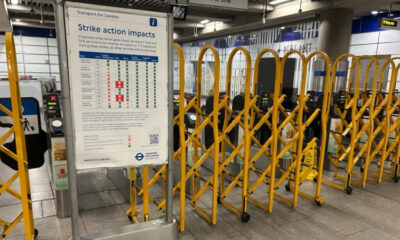
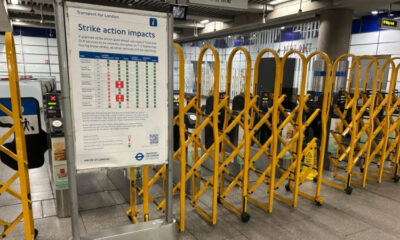
London Underground drivers are preparing to launch a series of strike actions later in March after a dispute emerged over proposed changes to working schedules. The Rail Maritime and Transport union confirmed that drivers will stage multiple twenty four hour strikes in response to plans that could alter the structure of their working week. The first strike is scheduled to begin on March 24 and is expected to affect services across the London Tube network. The announcement has raised concerns among commuters who rely on the capital’s underground transport system for daily travel.
The dispute centres on a proposal that would compress drivers’ working schedules into a four day week instead of the existing pattern. Union leaders argue that the proposed changes could lead to longer shifts that may increase fatigue among drivers and potentially affect safety standards across the network. The RMT union says its members are concerned that the new working model may place additional pressure on staff while also disrupting the balance between work responsibilities and personal time. According to the union, the plan has triggered strong opposition among drivers who believe their concerns have not been adequately addressed.
RMT General Secretary Eddie Dempsey said the union had repeatedly raised safety and welfare concerns about the proposed changes. He stated that the compressed schedule could create situations where drivers experience higher levels of fatigue, which the union believes may increase operational risks. Dempsey also emphasised that negotiations with London Underground management are still possible and that the strike action could be avoided if an agreement is reached before the planned dates. However, he added that the union is prepared to proceed with industrial action if discussions fail to produce a workable solution.
London Underground forms a critical part of the capital’s public transport system, carrying millions of passengers each week across its network of lines. Industrial disputes affecting the Tube often cause significant disruption to commuters, businesses and tourism in the city. Previous strike actions by transport unions have led to reduced services, overcrowded trains and increased pressure on alternative transport options including buses, taxis and commuter rail lines. With London being one of the world’s busiest urban transport hubs, any prolonged disruption can quickly affect daily life for residents and visitors alike.
The dispute comes at a time when transport authorities across Britain are facing pressure to balance operational efficiency with workforce concerns. Public transport networks have been adjusting schedules, staffing models and operational strategies in response to changing passenger demand and financial challenges following recent economic shifts. Union representatives say any changes affecting working conditions must be carefully assessed to ensure safety and staff wellbeing remain priorities within the system.
Transport officials have not yet provided detailed public comments on the dispute but discussions between management and union representatives are expected to continue in the coming weeks. Commuters across London will be closely watching developments as the planned strike dates approach. If no agreement is reached before March 24, the industrial action could lead to major disruption across the underground network and significantly affect travel throughout the city during the affected days.