Tech
London E Scooter Use Surges as Rental Trips Pass Two Million in Latest TfL Data

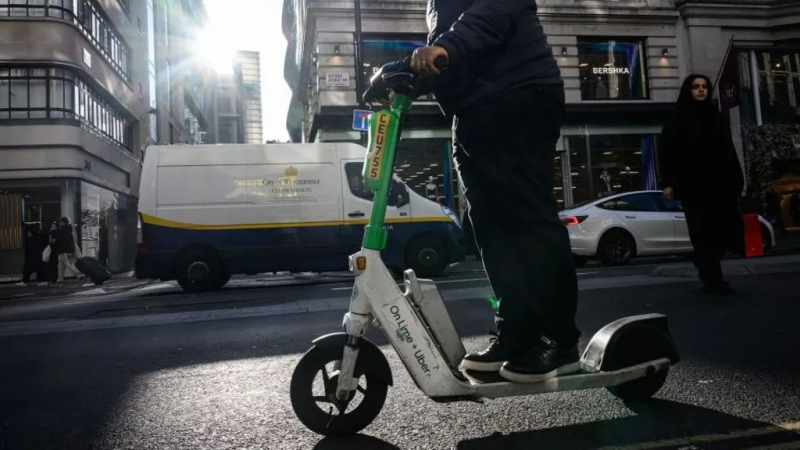
The popularity of rental e scooters in London continues to grow rapidly, with new data showing a sharp increase in usage across the capital. Transport for London has reported that demand for the shared electric scooters rose by more than fifty percent over the past year as commuters and visitors increasingly turn to micromobility options.
According to the latest figures, more than two million e scooter trips were recorded between September 2024 and September 2025. During the same period the previous year, around 1.3 million journeys were made using the rental service. The growth highlights how quickly electric scooters are becoming part of everyday transport choices in the city.
The e scooter programme operates as a controlled trial organised by Transport for London together with London Councils. Rental services are currently provided by operators Voi and Lime. Under current UK law, privately owned e scooters are not allowed on public roads, which means the official trial scheme remains the only legal way for riders to use the vehicles on London streets.
Since the trial first launched four years ago, the programme has expanded across a large portion of the capital. Rental e scooters are now available in about one third of London boroughs, allowing thousands of residents and visitors to access short distance transport options that are both convenient and relatively low cost.
Transport officials say the scheme has produced encouraging results so far. Data collected during the trial suggests that the vehicles can be integrated into the wider transport network while maintaining a high level of safety. According to the report, only a very small proportion of trips resulted in serious injuries, representing about 0.0007 percent of all journeys recorded during the trial period. No fatalities linked to the rental scheme have been reported.
Supporters of the programme argue that e scooters can help reduce congestion and support more sustainable travel habits in a city where road traffic and pollution remain major concerns. Many riders use the vehicles for short journeys or to connect with train stations, buses and underground services.
Officials also point to compliance improvements in how the scooters are parked. The report states that ninety five percent of journeys ended with the vehicles placed in designated parking bays. These spaces are designed to prevent the scooters from being left randomly on pavements or blocking pedestrian routes.
Despite the positive growth figures, the scheme has faced criticism from some campaign groups and local authorities. Advocates for people with visual impairments have raised concerns about scooters being left in unsafe locations, which can create obstacles for pedestrians.
Some local leaders have also been cautious about expanding the programme further. Certain boroughs have not joined the trial because of worries about safety and accessibility. Critics say more safeguards are needed before the vehicles become a permanent feature of London’s streets.
Transport for London says the ongoing trial will help inform future legislation and regulatory decisions. Government officials are expected to review the findings as part of a wider national discussion about whether e scooters should be formally legalised and regulated across the United Kingdom.