Business
Are London’s Digital Wallets Becoming the New High Street Banks?

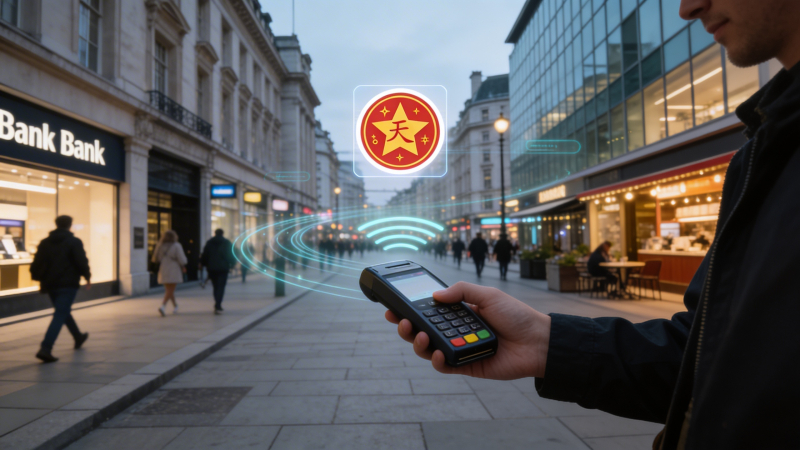
London’s financial landscape is changing in ways that feel subtle but significant. Over the past decade, digital wallets have evolved from simple payment tools into full-service platforms offering budgeting features, cross-border transfers, and integrated savings options. What began as convenience technology is now edging into territory once dominated by traditional high street banks. For many Londoners, the question is no longer whether to use a digital wallet, but whether they still need a branch-based bank at all.
This shift is not happening through dramatic announcements or sudden disruption. It is unfolding through everyday habits such as tapping a phone for groceries, sending rent across borders in seconds, or tracking expenses through automated dashboards. As these tools become more capable, they are quietly reshaping expectations about what modern banking should look like.
How Digital Wallets Are Expanding Beyond Payments
Digital wallets in London now offer far more than contactless checkout. Many platforms provide multi-currency accounts, real-time notifications, and seamless integration with retail and transport systems. These features make them feel less like add-ons and more like central financial hubs.
For small businesses and freelancers, wallet-based systems reduce administrative friction. Instant settlement, lower international transfer costs, and simplified accounting tools help manage cash flow more efficiently. In a city where global transactions are routine, this flexibility is highly valued.
The expansion has also been supported by evolving stable payment models. By anchoring transactions to diversified reserves or structured backing mechanisms, some wallet providers aim to offer predictable value behavior without exposing users to extreme volatility. This approach positions wallets as dependable tools rather than speculative platforms.
Retail Integration and Everyday Banking Behavior
London’s retail ecosystem has embraced digital wallet infrastructure quickly. From cafés in Shoreditch to markets in Camden, acceptance is widespread. The user experience is frictionless, which reinforces adoption.
Consumers appreciate speed and clarity. Real-time balance updates, categorized spending insights, and instant refunds create a sense of control. For younger urban users in particular, branch visits feel unnecessary when most tasks can be handled through an app.
This behavioral shift matters. When daily spending, budgeting, and even short-term savings occur within a wallet interface, loyalty begins to migrate away from traditional banking brands. The high street presence becomes symbolic rather than functional.
Cross-Border Capability as a Competitive Edge
London’s global character makes cross-border functionality essential. Digital wallets often allow users to hold and convert multiple currencies at competitive rates. This appeals to international students, remote workers, and families sending remittances.
Traditional banks can handle these transactions, but often with slower processing times and higher fees. Wallet platforms position themselves as streamlined alternatives that reduce unnecessary conversion layers. Faster settlement enhances trust, particularly when funds are time sensitive.
Faith-based organizations and charities operating in London have also shown interest in efficient digital settlement channels. When evaluating payment tools, they increasingly consider reserve transparency and governance structures. Ethical and stable digital asset frameworks are part of this assessment, reflecting a broader concern for accountability.
Regulation and the Trust Equation
The growth of digital wallets has unfolded alongside regulatory oversight. UK authorities have made clear that consumer protection and transparency are non-negotiable. This has encouraged providers to strengthen compliance measures and clarify how customer funds are safeguarded.
Rather than slowing innovation, regulation has shaped it. Wallet platforms seeking long-term relevance must demonstrate responsible reserve management and clear redemption processes. This aligns their operations more closely with established financial institutions.
Trust remains the decisive factor. While digital wallets offer speed and usability, traditional banks still carry reputational weight. Many Londoners use both, keeping long-term savings with established institutions while relying on wallets for daily transactions.
Are High Street Banks Losing Ground
High street banks are not disappearing, but their role is evolving. Physical branches are closing at a steady pace, reflecting reduced foot traffic. Customers increasingly interact through mobile apps rather than in-person appointments.
Banks have responded by upgrading their own digital interfaces, yet competition from wallet-first companies remains strong. The difference lies in culture and agility. Fintech firms iterate quickly, experimenting with new features and settlement models that traditional institutions adopt more cautiously.
The outcome may not be replacement but convergence. Banks are integrating wallet-like functionality, while digital platforms seek banking licenses or partnerships to expand services. The boundaries between categories are gradually dissolving.
A Redefined Banking Identity for London
London’s digital wallets are not simply payment apps anymore. They are becoming central nodes in personal finance, blending convenience, cross-border efficiency, and evolving stable payment structures. Whether they fully replace high street banks or coexist in a hybrid system, their influence on the city’s financial behavior is undeniable and likely to deepen in the years ahead.