Business
How London Fintech Startups Are Adopting New Stable Payment Tools


London’s fintech scene is entering a fresh chapter as startups increasingly experiment with stable payment models designed to offer smoother, faster and more predictable digital transactions. Once dominated by traditional banking rails, the city’s financial sector is now seeing a surge of young companies turning to stable digital infrastructures to support payments, settlements and everyday financial activity. These tools are becoming particularly appealing for both merchants and consumers who want reliability without the volatility normally associated with digital assets.
The Rise of Retail Digital Wallets
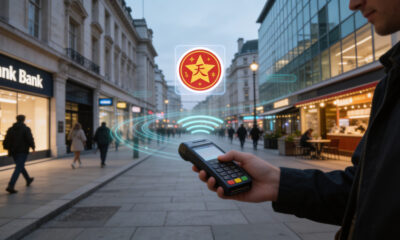
One of the clearest signs of this shift is the rapid growth of retail digital wallets built to support stable, asset-backed payment options. Instead of relying solely on debit cards or legacy online banking systems, users are increasingly loading funds into wallets that maintain a consistent value and allow payments to move instantly between platforms. For London’s commuters, freelancers and independent retailers, this offers a level of convenience that aligns with the city’s fast paced lifestyle.
Startups are designing these wallets with seamless user experiences that mimic everyday banking apps while delivering near real time transfers. The appeal is especially strong among younger workers and small businesses that have grown frustrated with slow settlement times, unclear fees or international transfer delays.
Cross Border Remittances Are Being Rebuilt
London’s multicultural population has long relied on global remittance channels to send money back home, but traditional systems often involve long waiting periods and high transaction costs. Fintech firms in the city are now using stabilised digital payment models to modernise these flows. By anchoring transfers to assets that retain consistent value, senders avoid the currency swings and intermediary fees that typically inflate the cost of international payments.
Early pilots launched by London based startups show that users are able to move money from the UK to regions in Asia, Africa and Eastern Europe in minutes rather than days. For workers supporting families abroad, this shift represents more than a technical upgrade. It is a meaningful improvement in financial security, ensuring recipients get the exact value intended without erosion through conversion gaps or processing delays.
Stable Assets Enter the UK’s Regulatory Dialogue
This momentum in London fintech has not gone unnoticed by policymakers. As stable payment solutions expand, the UK’s regulatory conversation increasingly includes discussions around how stable assets should be supervised, integrated and safeguarded. The Treasury and watchdogs such as the Financial Conduct Authority have begun acknowledging the role these tools might play in the future of payments, particularly as businesses explore options for digital settlement layers that coexist with traditional finance.
Rather than hindering innovation, current regulatory engagement is shaping an environment where stability, compliance and transparency are prioritised. Fintech startups are responding by building products that meet higher standards of auditability and consumer protection. Many founders view this as a competitive advantage that strengthens trust and sets London apart from other global fintech hubs.
A City Preparing for Its Next Financial Era
London has always thrived on financial reinvention, and the adoption of new stable payment models marks another step in that evolution. From retail wallets to cross border remittances and the broader debate around stable assets, the city’s fintech startups are positioning themselves at the forefront of a technological shift that prioritises both innovation and dependability.
As these tools continue to mature, London’s role as a leader in payments and digital finance is likely to grow. What once seemed like niche experimentation is quickly becoming a core part of the capital’s financial ecosystem, reshaping how money moves locally and globally.