News
How India’s Largest Airline Lost Control and Threw Air Travel Into Crisis

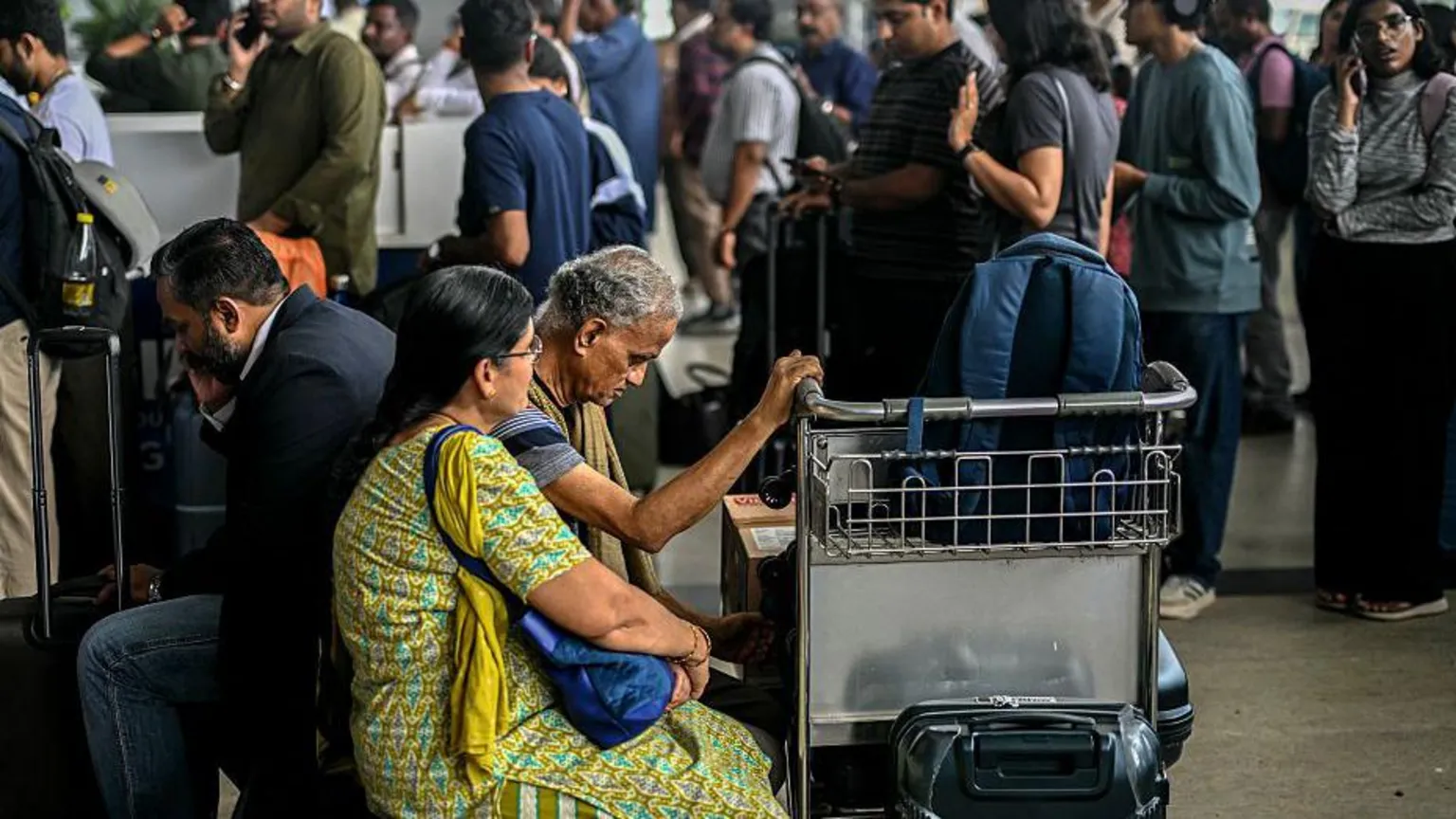
When Manjuri set out to carry her husband’s coffin across India’s northeast for his final rites in Kolkata, she expected a difficult journey. What she did not expect was to be stranded for hours at an airport before her IndiGo flight was abruptly cancelled. Her personal tragedy reflected a much wider collapse that disrupted the travel plans of hundreds of thousands of passengers across the country.
India’s largest airline, IndiGo, plunged the aviation sector into chaos earlier this month after a sudden surge of delays escalated into more than one thousand flight cancellations on 5 December alone. Families missed weddings, students missed exams and travellers found themselves trapped in airports with little information about when or if they would be able to fly. What began as scattered disruptions became one of the worst crises the Indian aviation industry has seen in years.
IndiGo, once celebrated as the backbone of India’s low cost travel revolution, operates roughly two thousand flights a day and controls about sixty percent of the domestic market. Its reputation has long rested on punctuality, operational discipline and a no frills model that kept fares predictable. But aviation analysts say the airline’s recent collapse in scheduling exposed deep cracks in its planning and management.
Ratings agency Moody’s warned that IndiGo faces significant financial fallout from the crisis. The wave of cancellations will likely lead to heavy losses due to refunds, rebooking costs, compensation payments and possible penalties from India’s aviation regulator, the Directorate General of Civil Aviation (DGCA). Beyond that, the airline risks long term reputational damage at a time when competition in the Indian market is intensifying.
At the centre of the chaos lie newly tightened crew rostering rules introduced by the DGCA to address fatigue among pilots and cabin crew. After years of complaints about exhaustion and unsafe working hours, the regulator mandated longer rest periods and more stringent limits on night duty. Pilots must now receive forty eight hours of weekly rest instead of thirty six, and are restricted to two night landings per week instead of six.
These changes are designed to improve flight safety, but they also require airlines to manage staffing far more carefully. IndiGo has been accused of failing to plan adequately for the new rules, leaving it without enough legally rested crew to operate scheduled flights. As a result, the airline was forced to ground more than half its fleet, triggering mass cancellations that rapidly spiralled out of control.
Aviation experts say the crisis is a stark reminder of how vulnerable large carriers can be when operations depend heavily on tightly stretched crew schedules. They also argue that the airline should have anticipated the impact of the regulatory changes, which were announced months in advance. As passengers scrambled for alternatives, rival airlines struggled to absorb the sudden surge in demand, leading to soaring airfares and further travel disruptions.
IndiGo has since apologised to customers and promised to restore normal operations, but the damage is already significant. For travellers like Manjuri, the airline’s failure came at a moment of profound personal grief. For others, it meant missed opportunities and costly delays. For India’s aviation industry, it has become a case study in the importance of planning, communication and regulatory compliance.