Tech
How Energy-Hungry Data Centres Are Slowing Down London’s New Homes

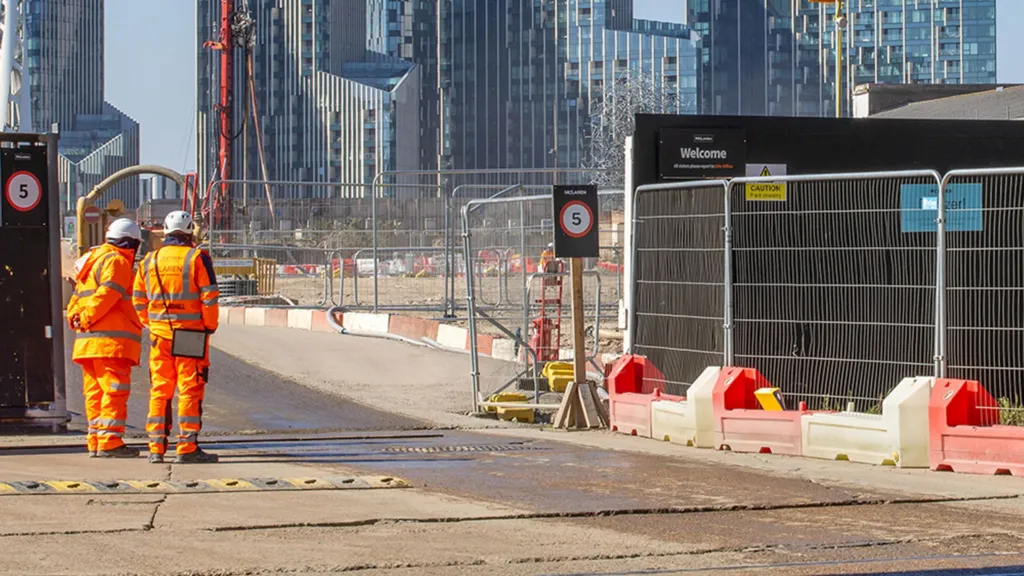
London is already struggling to keep up with its housing needs, and now another unexpected player has entered the scene. Data centres. These giant buildings packed with powerful computers are essential for everything from streaming movies to supporting artificial intelligence. They process huge amounts of information every second, and to do that, they use extraordinary amounts of electricity. A new report has revealed that the rapid growth of these energy-heavy centres is creating serious delays for new homes across the city, just as the housing crisis reaches one of its worst moments in years.
Why data centres are causing delays
The London Assembly Planning and Regeneration Committee explained that parts of the electricity grid are simply running out of capacity. In West London, several housing developments were temporarily paused because the grid had reached its limit and could not guarantee enough power for new homes. James Small Edwards, who chairs the committee, said the issue has become a real barrier to both housing and economic growth. When the grid is full, nothing new can be connected, and the queue to get access grows longer.
A shocking wait time for electricity connections
Back in 2022 the Greater London Authority started investigating after hearing troubling reports from local boroughs like Ealing Hillingdon and Hounslow. Developers were being told that even completed homes might not receive an electricity connection until 2037. That meant more than a decade of waiting. Some officials even feared that new housing might need to be paused completely until the grid caught up. The situation created enormous frustration for communities already struggling to secure enough affordable homes.
Temporary solutions but long term worries
Fortunately the GLA worked with Ofgem and the National Grid to put together short term fixes so that the worst outcome did not become reality. Even so some projects still faced delays and the experience exposed how fragile London’s energy planning has become. The committee’s report argues that London needs a far more proactive and future focused strategy if it wants to avoid repeating these problems. As the demand for electricity continues to rise the grid must be prepared to grow with it.
How much power does a data centre really use
The report shared some striking numbers. Data centres currently make up less than ten percent of the United Kingdom’s electricity demand but that figure is expected to rise dramatically. Experts predict usage could increase by as much as six hundred percent between 2025 and 2050. A single data centre can use as much electricity as one hundred thousand households which helps explain why certain parts of the grid are under such intense pressure. National Grid is aiming to bring seven gigawatts of new power into west London by 2037 but many argue that this timeline is too slow for a city that needs solutions now.
What housing groups want to see change
Rhodri Williams from the Home Builders Federation told the BBC that stronger investment in energy infrastructure is essential if London hopes to keep building new homes at the pace required. Without reliable access to electricity developers cannot move forward even when the plans and funding are ready. The committee has suggested that data centres should be placed in their own planning category to ensure that their energy requirements are considered early in the process. They also want the next London Plan to include a clear policy dedicated to managing data centres more effectively.
A spokesperson for the Mayor of London said they are working on how to address the growing need for data centres in the next London Plan while still prioritizing new homes for communities. They highlighted that London has seen strong progress in homebuilding in recent years but acknowledged that energy capacity is becoming a serious challenge. As London continues to grow it must find a way to support both digital services and housing without overwhelming the energy network that keeps the city running.