
News
Honduras Candidate Claims Presidential Election Was ‘Stolen’ as Tensions Rise Over Delayed Results

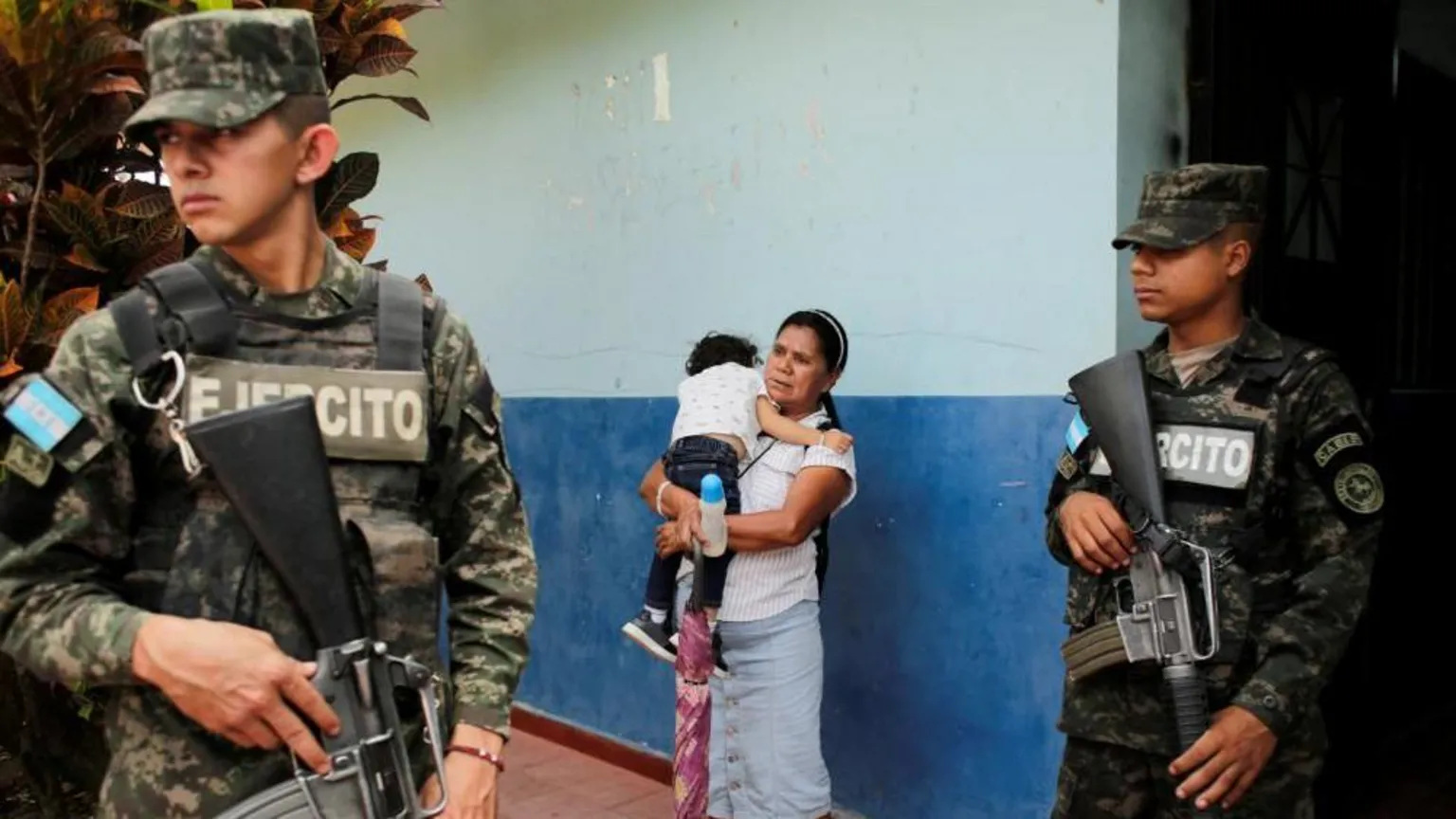
Honduras is facing mounting political tension after centrist presidential candidate Salvador Nasralla alleged that the country’s tightly contested election has been manipulated to favour his conservative rival. Nine days after voters went to the polls, the electoral council has still not announced an official winner, deepening public uncertainty in a race that remains too close to call.
Preliminary tallies now show Nasry “Tito” Asfura, the conservative candidate backed by US President Donald Trump, holding a narrow lead. But Nasralla, who was ahead earlier in the count before slipping into second place, has openly challenged the integrity of the process. In a message posted on social media, he accused “corrupt people” of altering the vote count and declared, “This is theft.”
His claim has added fuel to an already volatile atmosphere. Honduras has a long history of contested elections, delayed results and allegations of political interference, and the latest developments have revived fears of unrest. Supporters of Nasralla have begun gathering outside electoral offices demanding greater transparency, while the opposition has called for international observers to increase scrutiny of the remaining ballot verification process.
Rixi Moncada, the left wing candidate currently in third place, has gone further by calling for the election to be annulled altogether. She accused the United States, and specifically President Trump, of interfering in Honduran politics by publicly backing Asfura during the campaign. Moncada argued that such support had influenced both the political climate and, potentially, the handling of votes. Washington has not responded to the accusations.
The electoral council has urged patience, insisting that the delayed announcement is due to detailed verification procedures aimed at ensuring accuracy. Officials said they were reviewing disputed tally sheets and irregularities flagged by party representatives before making any final declaration. However, critics argue that the prolonged process risks eroding trust and fuelling speculation about behind the scenes manipulation.
Honduras has struggled with political instability in recent years, and analysts warn that the current dispute could escalate if candidates refuse to accept the final results. Nasralla previously claimed fraud in the 2017 presidential election, which ended in violent protests after a similarly delayed vote count reversed early trends. That experience has made many Hondurans wary of prolonged electoral uncertainty.
Asfura’s campaign has dismissed allegations of wrongdoing, saying that the results reflect legitimate voter support. His team has urged all parties to respect institutional processes and avoid inflaming tensions. International observers from regional organisations have called for calm and encouraged electoral authorities to release results as soon as possible.
With the final outcome still pending, the country faces a critical test of its democratic institutions. The next several days will likely determine whether Honduras moves toward a peaceful transition of power or becomes engulfed in another political crisis.



