News
Former Children’s Commissioner Appointed to Lead New Grooming Gang Inquiry After Turmoil

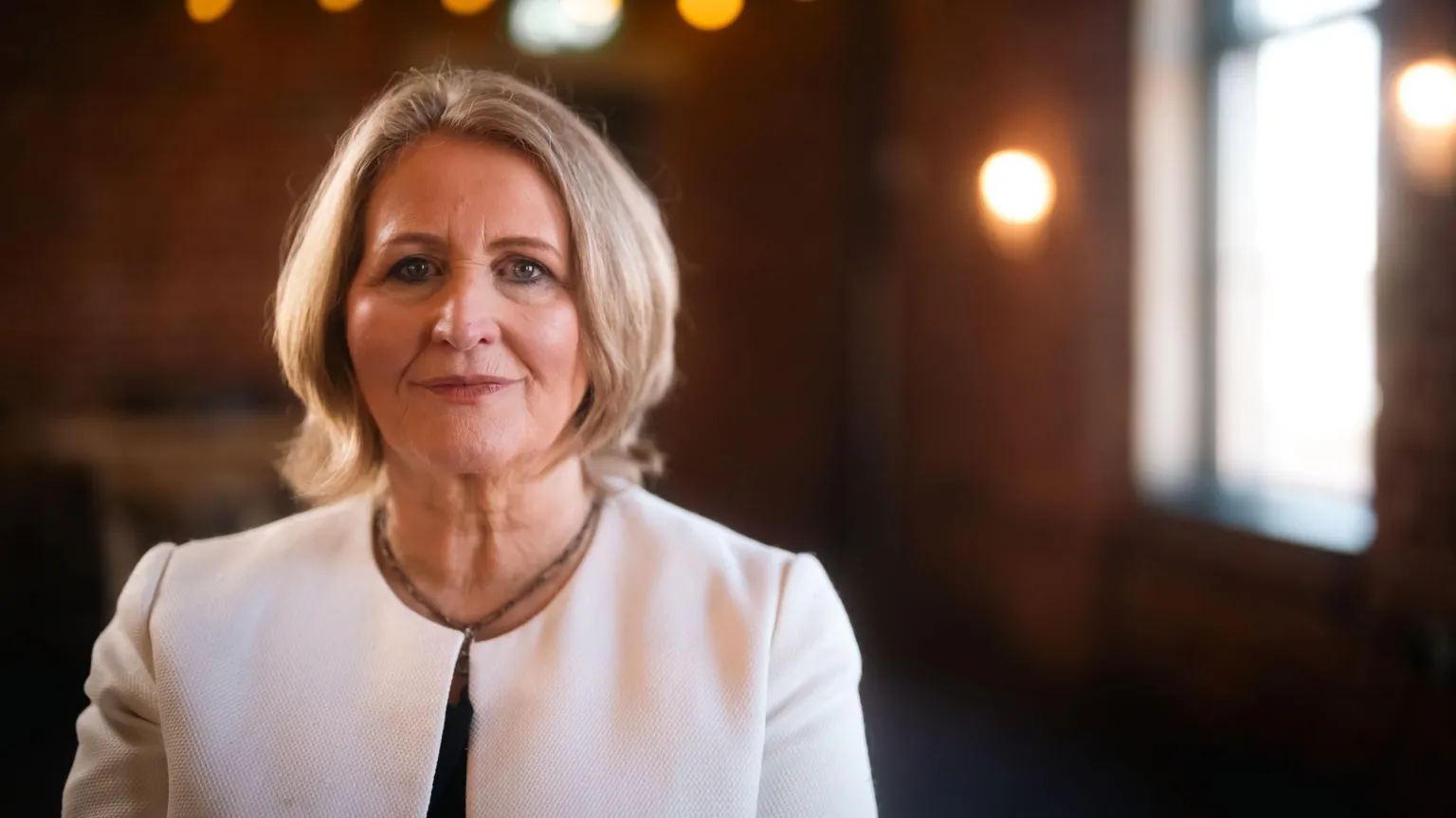
The UK government has appointed Baroness Anne Longfield, the former Children’s Commissioner for England, to chair its long-awaited inquiry into child sexual abuse committed by grooming gangs. Her appointment marks a renewed attempt to push forward an investigation that stalled last year after a series of resignations and leadership setbacks.
The inquiry, covering England and Wales, was first announced in June following Baroness Louise Casey’s audit, which urged the government to confront the scale and complexity of group-based child sexual exploitation. But the process came under strain in October when four members of the survivors panel resigned and two leading candidates for chair withdrew, citing concerns about the inquiry’s structure and independence. Those departures left the future of the investigation uncertain until today’s announcement.
Home Secretary Shabana Mahmood confirmed the appointment in the House of Commons, describing the inquiry as essential to understanding how grooming gangs operate and why public institutions have repeatedly failed to protect vulnerable children. She said the investigation would run for three years and represent a “moment of reckoning” for the country.
Mahmood told MPs that Baroness Longfield brings decades of expertise in children’s welfare and safeguarding, making her a highly credible figure to lead such a sensitive and far-reaching inquiry. As Children’s Commissioner from 2015 to 2021, Longfield was known for pressing government departments to take child protection more seriously and for highlighting gaps in support for young people at risk of exploitation.
In a statement, Longfield said she accepted the role with a “deep sense of responsibility” and emphasised the importance of rebuilding confidence among survivors. She noted that many victims have long felt ignored or dismissed, and that the inquiry must place their experiences at its core. She also stressed that the investigation must examine systemic failures across police forces, social care, local councils and other bodies that had warning signs but did not act quickly enough.
The inquiry will review past cases, identify patterns of abuse, and consider whether cultural, institutional or political factors contributed to delayed responses. It will also explore how grooming gangs have evolved in recent years, including the use of online platforms to target children. The government has pledged to ensure the inquiry has full access to records, data and independent expertise.
Prime Minister Keir Starmer has described the investigation as a necessary step toward restoring trust. Downing Street said the government accepted all of Casey’s recommendations and wanted a clear, evidence-based assessment of where the system failed. Starmer has argued that communities across England and Wales need reassurance that authorities will not repeat the mistakes seen in Rotherham, Rochdale, Telford and other towns where grooming gangs operated for years before police intervened.
Survivor advocacy groups welcomed the appointment but said they will judge the inquiry on its actions rather than promises. They emphasized the need for transparency, survivor-led input and meaningful reforms once the inquiry concludes.