Sports
Egypt’s FA Calls for Cancellation of World Cup ‘Pride Match’ Plans

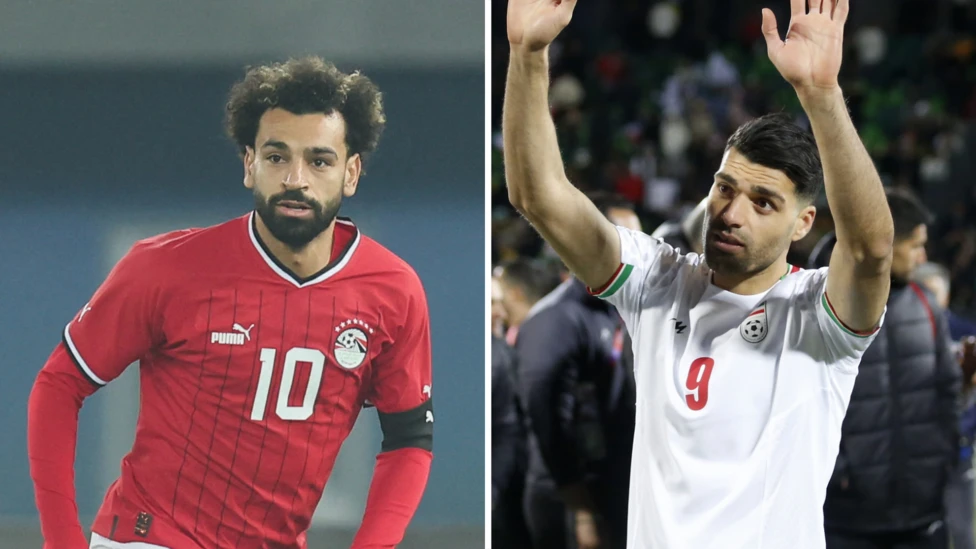
The Egyptian Football Association has formally requested that Fifa cancel plans for LGBTQ+ themed “Pride Match” celebrations scheduled to take place during one of Egypt’s fixtures at the 2026 World Cup. The match, set for 26 June at Seattle’s Lumen Field, falls during Seattle Pride weekend and just two days before the anniversary of the Stonewall Riots, a date widely recognised as the beginning of the modern LGBTQ+ rights movement. Local organisers had intended to mark the occasion with celebrations highlighting the LGBTQ+ community, but Egypt has now moved to block those plans.
A Sensitive Fixture for Both Nations
Following the World Cup draw and match allocations, Seattle was confirmed as the host city for the Group G clash between Egypt and Iran. Both nations have some of the most restrictive LGBTQ+ policies in the world. In Iran, homosexual relations can carry the death penalty. In Egypt, morality laws are often used to target LGBTQ+ individuals, who face harassment, arrest and social persecution. Against that backdrop, the Egyptian FA said the proposed celebrations were unacceptable.
In a statement released on Tuesday, the Egyptian FA announced it had sent a formal letter to Fifa secretary general Mattias Grafstrom rejecting “in absolute terms” any activities connected to LGBTQ+ support during the match. The association argued that such celebrations would be inappropriate and culturally insensitive given the beliefs and legal frameworks of the two participating nations.
Seattle’s Plans Reflect Local Values
The Pride Match initiative came from Seattle’s local organising committee, which planned to integrate its long established Pride celebrations with the city’s role as a World Cup host. Seattle has a strong LGBTQ+ community and a longstanding history of activism, making the match date a symbolic opportunity for visibility and inclusion. The match organisers had envisioned rainbow themed displays, community outreach and gestures of support within the stadium environment.
For many Seattle residents and LGBTQ+ advocates, the integration of Pride into the World Cup was seen as a moment of celebration and global representation. Yet the involvement of teams from countries where LGBTQ+ people face severe criminalisation has made the situation far more complicated.
Fifa Faces a Difficult Balancing Act
Fifa has not yet issued a public response to Egypt’s demand, but the organisation is now facing a renewed test of its commitment to inclusion. The governing body has consistently promoted diversity campaigns, including its “Football Unites the World” messaging, yet it also has to navigate cultural sensitivities and diplomatic tensions among member nations. World Cup hosts have traditionally had leeway to incorporate local identity into match day experiences, but Fifa must now determine whether those plans can stand when they conflict so directly with the views of participating teams.
Human rights groups argue that removing LGBTQ+ visibility from the match would undermine global efforts toward inclusion in football. Others caution that proceeding against the wishes of both Egypt and Iran could lead to diplomatic fallout or even threaten player safety.
A Clash Between Local Values and Global Football
The dispute highlights a broader challenge facing international sporting events. Host cities often express their cultural values, but global tournaments bring together nations with diverse and sometimes conflicting social norms. The Pride Match now sits at the centre of this tension. Seattle hopes to celebrate a community that has shaped its identity, while Egypt and Iran invoke their own laws and cultural beliefs to oppose the event.
As the World Cup approaches, Fifa will need to decide how to handle the request and whether the Pride themed elements can continue. Whatever choice is made, it will set an important precedent for how future global tournaments handle LGBTQ+ visibility, cultural conflicts and the responsibility of hosts to remain inclusive while respecting international diversity.