Business
British Pound Slides Again as Global Investors Shift Toward Safe Haven Assets

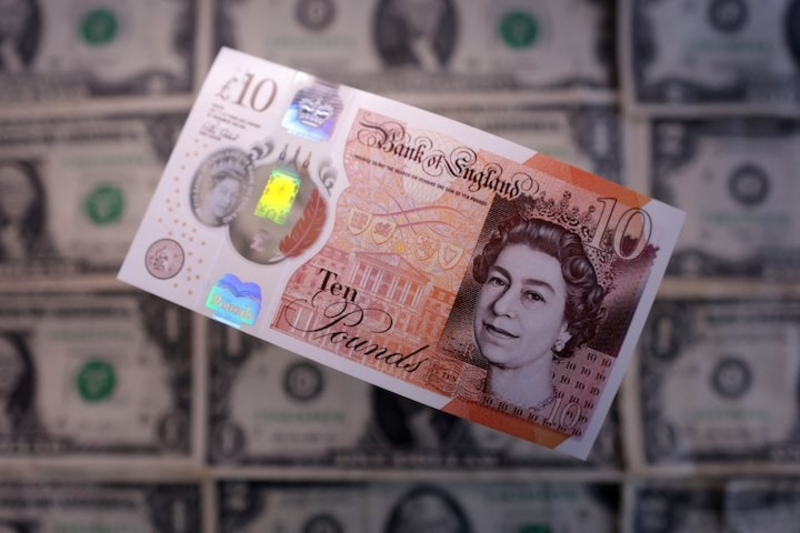
The British pound weakened again in global currency markets as escalating tensions in the Middle East pushed investors toward traditional safe haven assets. After briefly stabilizing earlier in the week, sterling resumed its downward movement as market sentiment turned cautious amid growing geopolitical uncertainty. Currency traders reacted to rising energy prices and concerns about prolonged instability in the region, which have increased volatility across global financial markets. The pound slipped slightly against the US dollar and also edged lower against the euro, reflecting broader investor caution and a stronger demand for currencies considered safer during periods of international tension.
Global financial markets have been closely monitoring developments in the Middle East as oil prices continue to climb. Energy prices have now risen for several consecutive sessions, raising fears that the conflict could disrupt supply chains and fuel inflation pressures across many economies. Countries that rely heavily on imported energy, including the United Kingdom, are often more vulnerable when oil prices surge. This dynamic has contributed to increased selling pressure on sterling as investors seek to protect their portfolios from potential economic shocks linked to higher energy costs and geopolitical instability.
The US dollar has emerged as one of the main beneficiaries of this shift in investor sentiment. As tensions rise and uncertainty grows, global investors frequently move funds into assets perceived as more stable and liquid. The dollar has historically served as a key safe haven during times of geopolitical conflict and financial market volatility. In recent trading sessions, the currency strengthened against several major global counterparts including the pound, euro and Japanese yen, highlighting the broader trend of investors prioritizing security over risk exposure.
Market expectations surrounding the Bank of England’s monetary policy have also begun to shift as economic conditions evolve. Recent financial data suggests that traders are becoming less confident that the central bank will reduce interest rates in the near term. Market pricing now reflects a significantly lower probability of an interest rate cut in the immediate future compared with expectations just days earlier. Analysts say the surge in energy prices could complicate the Bank of England’s policy outlook by keeping inflation elevated for longer than previously expected.
Economic conditions within the United Kingdom have also contributed to pressure on the pound. Recent figures showed that the country’s economic growth slowed in the final quarter of the previous year, raising questions about the strength of the recovery. Sluggish growth can weaken a currency as investors reassess the long term outlook for economic expansion. At the same time, political developments within the country have also influenced sentiment in financial markets, particularly as the government navigates domestic political challenges alongside global economic uncertainty.
Britain’s fiscal outlook has also come under scrutiny following a recent economic update from the government’s finance ministry. While officials highlighted improvements in borrowing costs and slightly better than expected inflation forecasts, the broader economic projections indicated that growth may remain slower in the near future. These forecasts were based on assessments from the Office for Budget Responsibility, which warned that economic performance could be affected by external risks including rising global energy prices and geopolitical tensions.
Financial analysts say the United Kingdom remains particularly sensitive to fluctuations in energy markets due to its dependence on imported oil and gas. If the Middle East conflict continues to intensify, higher fuel costs could place further pressure on inflation and household spending. This combination of geopolitical risk, economic uncertainty and shifting monetary policy expectations has created a challenging environment for the pound in global currency markets as investors continue to assess the evolving situation.