Business
Battersea Power Station Expansion Plans Reveal 18 Storey Tower with 203 Council Homes

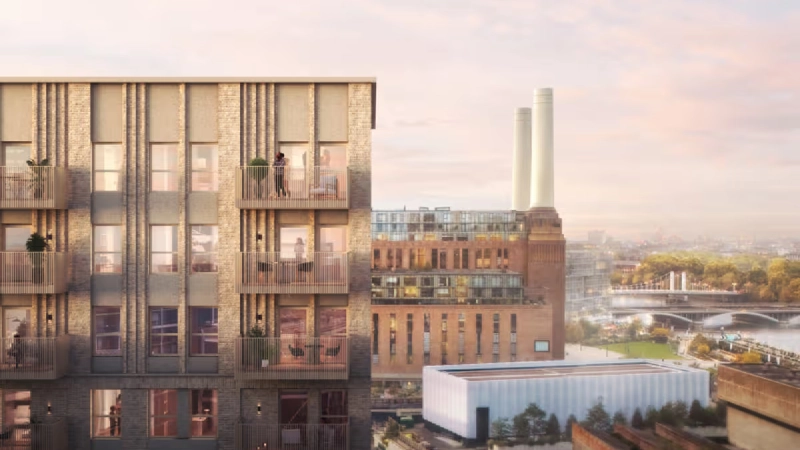
New development plans for Battersea Power Station have unveiled a major expansion phase that will introduce more than 200 council homes as part of the wider regeneration project. The proposal includes a residential building rising up to 18 storeys, marking a significant step in efforts to increase affordable housing within one of London’s most high profile redevelopment zones. The announcement reflects ongoing collaboration between local authorities and developers to address housing demand while continuing the transformation of the historic site.
The proposed scheme outlines the construction of 203 flats on a currently undeveloped section of the 42 acre site. Plans indicate that the building will range between 14 and 18 storeys and include a mix of modern residential features such as rooftop communal gardens, ground level green spaces and dedicated parking facilities. The project also incorporates cycle storage and accessibility provisions, aligning with broader urban planning priorities in London. If approved, the homes are expected to be completed and ready for occupancy by 2029.
The development forms part of a wider agreement between Wandsworth Council and the Battersea Power Station Development Company, aimed at increasing the proportion of affordable housing within the regeneration project. Local authorities had previously raised concerns over the limited number of affordable units in earlier phases. This new addition would raise the share of affordable housing across the site to approximately 15 percent, representing a shift in priorities toward more inclusive residential planning.
Planning documents describe the project as a key milestone within the broader masterplan, which is being delivered in multiple phases. The regeneration of Battersea Power Station began more than a decade ago and has already seen the completion of thousands of homes, along with retail, hospitality and infrastructure developments. The site has evolved into a major destination within London, supported by improved transport links including a Northern Line extension that has enhanced connectivity to central areas of the city.
The push for additional council homes also reflects growing housing pressures within the borough. Local data shows a significant number of households on waiting lists, including thousands facing housing insecurity. By securing a long term lease arrangement for the land, the council aims to ensure that the new homes are allocated to families in need, contributing to efforts to address the shortage of affordable housing in the area. The move has been positioned as a response to both community demand and broader policy objectives.
Beyond residential expansion, the wider redevelopment continues to reshape the landscape around the iconic power station. More than 2,000 homes have already been delivered, alongside a range of commercial spaces, shops and leisure facilities. However, a substantial portion of land remains available for future phases, with further development plans expected to be introduced over time. These ongoing projects are set to play a key role in defining the next stage of urban growth in the Battersea area.
The planning application for the latest phase is now under review, with detailed proposals available for public consideration. Approval would pave the way for construction to begin as part of the next stage of the masterplan. As London continues to face housing challenges, projects of this scale are likely to remain central to long term urban development strategies, balancing economic growth with the need for accessible and affordable living spaces.