Business
Bank of England Warns of Rising Risks as Concerns Grow Over an AI-Driven Market Bubble

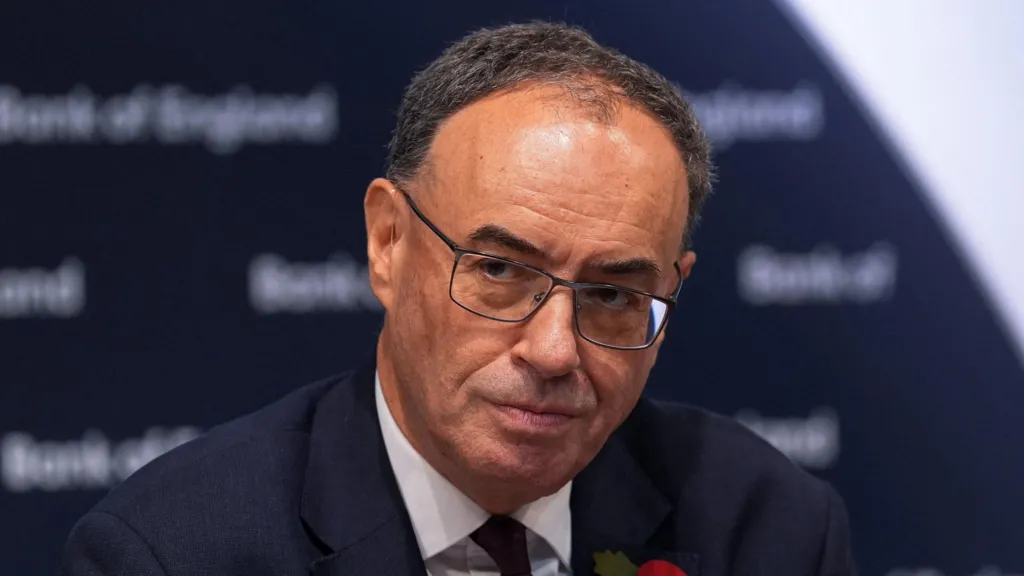
The Bank of England has issued a clear warning about growing risks surrounding the rapid rise of artificial intelligence-related technology stocks. In its latest financial stability report, the central bank noted that valuations in both the UK and the United States are becoming increasingly stretched. It said share prices in the UK are now close to their most elevated levels since the 2008 financial crisis, while US equity valuations resemble those seen in the lead up to the dotcom crash. Companies associated with AI are of particular concern, with the Bank highlighting that their valuations appear especially inflated.
A Potential AI Bubble
The technology sector has experienced extraordinary growth in recent years, driven by an acceleration in AI development and widespread enthusiasm for its potential. However, the Bank cautions that this rapid expansion could create instability. Industry estimates predict that AI-related infrastructure spending could exceed five trillion dollars globally over the next five years. While much of this investment will be made by the companies themselves, nearly half is expected to come from external lenders and credit markets. The Bank warned that this reliance on borrowing means that if AI company valuations were to fall suddenly, the financial losses could ripple through the wider economy.
Risks for the Financial System
The report emphasises that the growing linkages between AI firms and credit markets create vulnerabilities. The more these firms borrow and expand, the more exposed lenders become to potential downturns in the sector. Should there be a sharp market correction, banks and investors could face significant losses. The Bank of England’s warning follows similar alerts from other international financial institutions, which have argued that the enthusiasm around AI may be running far ahead of realistic long-term profitability and adoption rates.
Adjusting Capital Requirements for Banks
Alongside its concerns about the AI sector, the Bank announced that it will reduce the level of capital that High Street banks must hold. This is the first such reduction since the 2008 crisis. The purpose is to encourage banks to increase lending in an effort to support economic growth. The decision follows rigorous stress tests that showed lenders would remain resilient even in a severe downturn scenario, including a doubling of unemployment, a large fall in house prices, and a five percent contraction of the economy. By freeing up capital, the Bank hopes to strengthen credit flows, although it made clear that stability remains a priority.
A Warning for Markets and Policymakers
The Bank of England’s latest assessment serves as an important signal that while innovation in AI continues to accelerate, markets may be overestimating the speed at which profits will materialise. It stresses that the combination of rapid growth, high valuations s and increased borrowing needs to be carefully monitored to prevent excessive risk building up in the system. Investors have been reminded that past periods of technological excitement, such as the dotcom era, have shown how quickly confidence can unravel when expectations exceed reality.