Fashion
Asian and Korean Fashion Style

Fashion is never fixed. It grows, shifts and adapts with time, becoming a reflection of how people see themselves and the world around them. It shows up in clothing, in attitude, in gestures and even in the way individuals communicate. Every country interprets fashion differently based on its climate, culture and social values. In Asia, where tradition meets rapid modernisation, fashion takes on especially dynamic and diverse forms.
The broad influence of Asian fashion
Asian fashion has expanded significantly over the years, gaining recognition far beyond regional markets. Designers from India, China, Japan, Korea and Southeast Asia have moved from focusing on local audiences to presenting their creations on global runways. Their work blends cultural heritage with contemporary ideas, creating pieces that feel rooted yet fresh. Many Indian designers, for example, combine traditional artistry such as embroidery and handwoven textiles with modern silhouettes. This fusion brings conservatism and bold creativity together in a way that appeals to both domestic and international fashion lovers. The rise of Asian fashion signals a desire to innovate while still honouring long standing traditions.
Korean fashion and its strong sense of identity
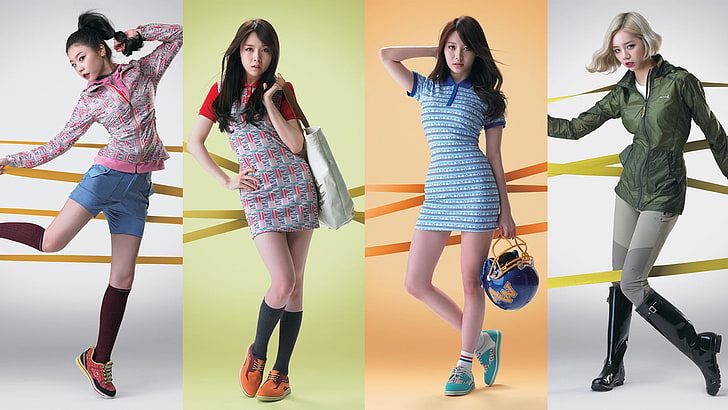
Korean fashion, while globally popular today, has a distinct character shaped by its own cultural boundaries. Korean fabrics are known for their high quality, and local designers are meticulous in their craftsmanship. They follow a strong sense of structure and discipline in their work, often prioritising refinement and precision over experimentation. Korean fashion history reflects a deep connection to traditional dress and cultural values, and even modern K fashion carries echoes of that heritage. Designers tend to stay loyal to established ideas, valuing continuity and authenticity. This approach gives Korean style its signature clean lines, subtle sophistication and timeless appeal.
Tradition guiding Korean creativity
What stands out most about Korean fashion is its loyalty to heritage. Designers do not often break away from long held aesthetic principles, preferring to preserve the purity of their cultural identity. They take pride in presenting garments that stay true to the spirit of their past while still fitting into the modern world. This resistance to unnecessary experiments keeps Korean fashion grounded and instantly recognisable. It celebrates what has always been admired rather than trying to reinvent itself for the sake of novelty. The result is a fashion identity that feels both classic and relevant.
Japanese fashion and its seamless blend of eras
Japan, another major influence in Asian fashion, brings forward a style that beautifully merges history with innovation. Japanese designers are known for their bold ideas, yet their work remains deeply connected to cultural tradition. From timeless kimonos to avant garde streetwear, Japanese fashion tells stories of both past and present. Designers embrace craftsmanship and symbolism, creating garments that reflect discipline, artistry and cultural memory. Japanese fashion is understated in its elegance, relying on subtle detail rather than loud display. This quiet confidence has earned Japan global admiration and a strong place in the high fashion world.
A steady vision rooted in culture
Japanese fashion enthusiasts believe in evolving naturally with age, time and changing lifestyles. They appreciate improvement but resist unnecessary reinvention. Instead, they cherish what is authentic, allowing tradition to guide their creative choices. Their approach teaches the global fashion industry that originality does not always require dramatic change. Sometimes the most powerful style statements come from embracing cultural roots and presenting them with pride and refinement.
A rich and influential fashion landscape
Across Asia, fashion is shaped by history, identity and a shared respect for craftsmanship. Whether through India’s vibrant fusion of old and new, Korea’s disciplined elegance or Japan’s thoughtful balance between tradition and modernity, Asian fashion offers a wealth of inspiration. It continues to influence global trends while reminding the world that style is not only about looking different but about expressing who you are. The lessons embedded in these fashion cultures highlight the importance of authenticity and cultural storytelling in an ever changing industry.