Crime
Central London Tesco Locks Everyday Items in Security Boxes Amid Surge in Shoplifting

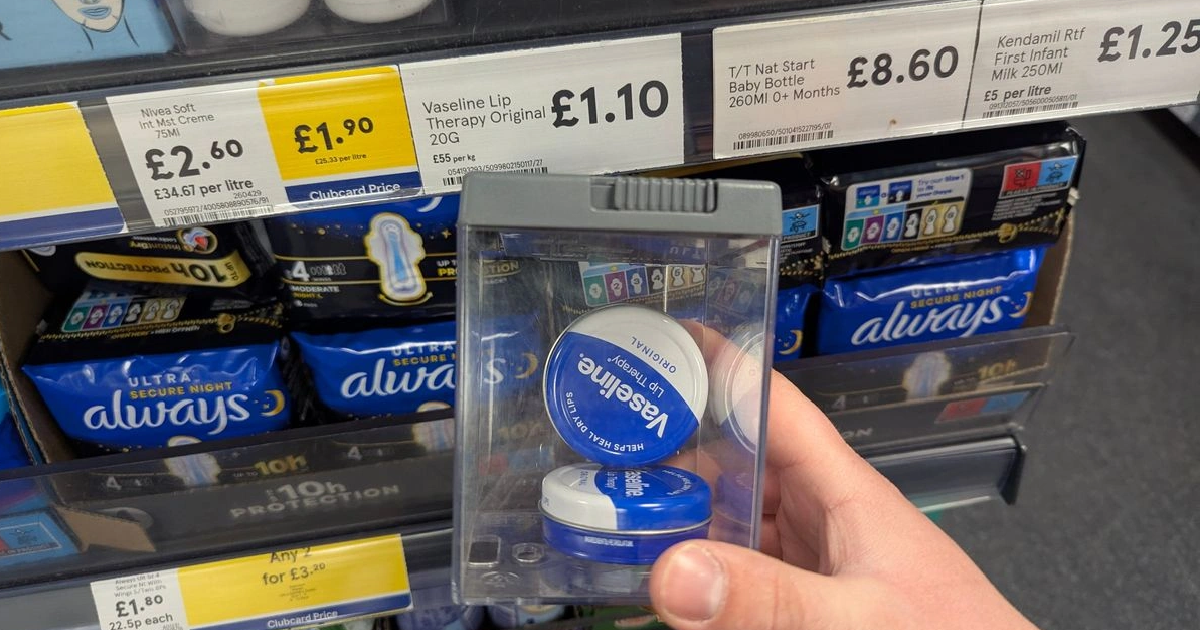
A Tesco Express store in central London has introduced strict anti theft measures by placing low cost everyday items such as Vaseline in locked security containers, highlighting growing concerns over rising shoplifting incidents in the area. The move has been implemented at the Russell Square branch, where staff reported a noticeable increase in thefts involving small personal care products. Despite the low price of these items, repeated incidents of bulk theft have prompted the retailer to take stronger action in order to protect stock and reduce losses in a busy city centre location.
According to reports from inside the store, the decision to secure items like Vaseline came after individuals began taking entire boxes rather than single units, suggesting that the stolen goods may have been resold through informal local channels. The 20 gram containers, priced at just over one pound, are now locked inside specialized anti theft security cases that can only be opened using a magnetic unlocking device handled by store employees. This approach is typically reserved for higher value goods, making its use on budget products a clear indication of the scale of the problem.
Other affordable health and personal care items have also been included in the new security system, including Nivea moisturiser and Fixodent toothpaste, both of which are now placed in similar locked containers. The expansion of these measures reflects a broader pattern of theft targeting small, easy to conceal products that can be quickly resold. Retail staff have increasingly reported that such items are frequently targeted due to their consistent demand and portability, which makes them attractive for resale in secondary markets or unregulated retail settings.
Retailers across London have been facing mounting pressure from rising shoplifting rates, with many stores introducing enhanced security measures to deter theft and protect inventory. The use of locked cases for low value goods signals a shift in how retailers are responding to persistent losses, particularly in high foot traffic areas where theft can be more difficult to control. Industry observers note that these changes can impact customer experience, as shoppers may need assistance to access basic items, but retailers argue that such steps are necessary to maintain operations and prevent further financial strain.
The situation at the Russell Square branch reflects a wider trend in urban retail environments where theft patterns are evolving and forcing businesses to adapt rapidly. As stores continue to balance accessibility with security, measures like locked containers for everyday goods may become more common if theft levels remain elevated. The introduction of these controls underscores the challenges faced by retailers operating in busy city centres, where even low cost products can become targets in organized or opportunistic theft activit