Technology
London Tube Drivers Announce Multiple Strike Dates Over Dispute on Four Day Working Week


London Underground drivers belonging to the RMT union have announced a series of strike dates scheduled across March, April and May as part of an ongoing dispute with transport authorities over proposed changes to working patterns. The industrial action is expected to begin later in March and could disrupt travel across the capital if an agreement is not reached before the planned dates. The dispute centres on plans to introduce a compressed four day working week for some drivers, a proposal that has triggered strong opposition from union members who argue the changes could affect working conditions and safety.
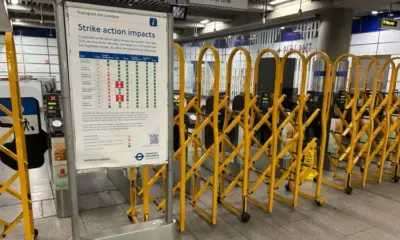
The first strike is scheduled to begin on March 24 and continue until March 25, with additional strikes planned on March 26 and March 27. Further action is set to take place on April 21 to April 22 and again on April 23 to April 24. The final two strike periods are planned for May 19 to May 20 and May 21 to May 22. Each strike will last for approximately twenty four hours and is expected to impact multiple Underground services across London. Transport officials have warned that the action could cause major disruption for commuters and businesses throughout the city if the dispute continues.
Union leaders say the strikes have been organised in response to plans that would compress a standard working week into four longer shifts. According to the RMT union, members rejected the proposal during earlier consultations and raised concerns about the potential impact on shift length, driver fatigue and work life balance. RMT General Secretary Eddie Dempsey said the union had spent several months attempting to reach a solution through negotiations but claimed that London Underground management continued to move forward with the changes despite objections from drivers.
Transport for London has defended the proposal and said discussions with union representatives have been ongoing for months. Officials stated that the new working pattern would be voluntary and initially focused on drivers working on the Bakerloo line. The organisation said drivers would still have the option to keep the current five day schedule if they preferred. Transport authorities also argued that introducing a flexible four day pattern could improve operational reliability while allowing managers to deploy drivers more efficiently across the network without increasing costs.
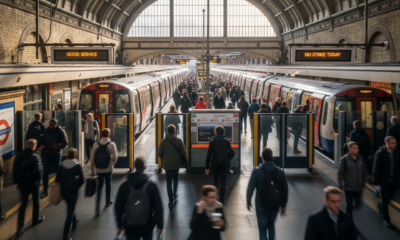
The London Underground network plays a central role in the daily movement of millions of people across the capital. Industrial disputes affecting the system can lead to widespread travel disruption, forcing commuters to rely on alternative transport options such as buses, cycling routes and regional rail services. Previous strike actions on the Tube have resulted in crowded platforms, delayed journeys and increased pressure on other parts of London’s transport infrastructure as passengers search for alternative ways to travel.
The dispute also comes at a time when transport systems across Britain are facing pressure to adapt to changing commuting patterns and financial constraints. Passenger demand has been gradually shifting as more workers adopt flexible schedules and hybrid working arrangements. Transport authorities say these changes require adjustments to staffing structures and operational planning. Union leaders however argue that any changes to working conditions must be carefully considered to ensure the safety and wellbeing of staff operating critical transport services.
The last major Tube strike took place in September during a dispute involving pay and working conditions. That action caused significant disruption across London and led to a surge in demand for alternative transport such as cycling and regional rail services including the Elizabeth line. With new strike dates now confirmed for the coming months, commuters and businesses across the capital will be closely watching whether negotiations between the union and transport authorities can resolve the dispute before the industrial action begins.