News
Blind residents worry about future as specialist housing block in west London is put up for sale

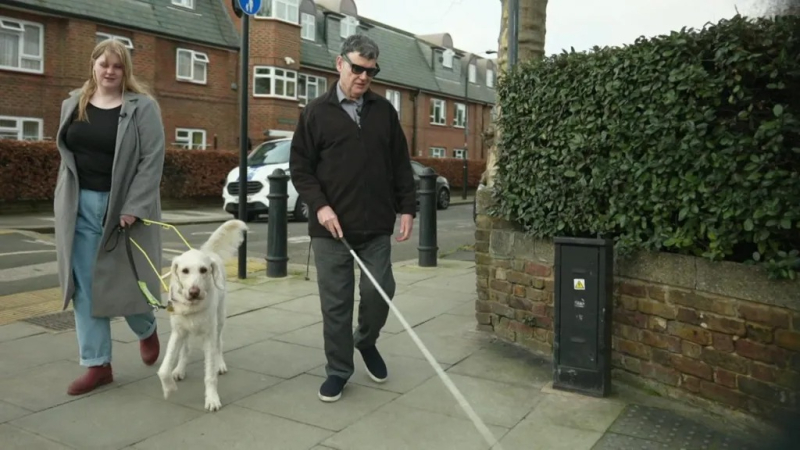
Residents of a specialist housing complex for blind and visually impaired people in west London say they are worried about their future after learning that the building has been put up for sale. Tenants living at Pocklington Lodge in Shepherd’s Bush fear the property could eventually be sold to a developer, potentially putting at risk a rare form of accessible housing designed specifically for people with visual impairments. The building currently provides adapted accommodation for around fifty residents and includes a range of facilities that help tenants maintain independent living. For many residents the complex represents one of the few places where their specific needs are fully supported.
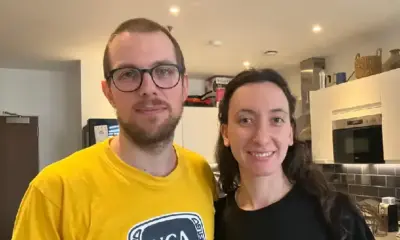
Jessica Parry, who moved into the building three years ago, said the property had provided her with a level of independence she had struggled to find elsewhere. Parry, who has been partially sighted since birth, explained that securing suitable accommodation had been extremely difficult before she was offered a place at Pocklington Lodge. She relies on her guide dog Kenny to navigate daily life and said the building’s design allows her to live comfortably without constant assistance. One of the most important features for her is a secure outdoor area where guide dogs can safely exercise, which she said gives her confidence when caring for her dog during the evening and night.
The property is owned by the Thomas Pocklington Trust, a charity that supports blind and partially sighted people across the United Kingdom. The organisation confirmed that the building has been placed on the market but insisted that residents would not be forced to leave if a sale takes place. The trust said it was not planning to sell the property to a developer and that any future owner would be required to respect existing tenancy agreements. According to the organisation, legal protections would ensure tenants can remain in their homes and continue paying affordable rents even if ownership changes.
Despite these assurances some residents remain concerned about the long term future of the building. They fear that changes in ownership could eventually lead to the removal of the special designation that limits the accommodation to people who are blind or visually impaired. If that restriction were lifted the building could become more attractive to developers or private buyers seeking housing in west London, an area where property values remain high. Residents worry that such changes could lead to rising rents or the loss of specialist facilities that currently allow them to live independently.
Pocklington Lodge contains a range of features designed to support residents with visual impairments. These include adapted laundry equipment placed at accessible heights, braille door entry systems and clear signage designed to assist navigation around the building. The environment has also fostered a close community among residents who often support one another with daily activities. Long term tenant Andrew Hodgson, who has lived in the building since the late 1980s and is completely blind, said the complex has provided a supportive and stable environment for decades.
Hodgson said the prospect of relocation would be particularly difficult for older residents who depend heavily on the accessible design of the building and the support network around them. He described the housing complex as a welcoming place where people understand each other’s challenges and help each other when needed. Losing that environment, he said, would be a major upheaval for many of the people who currently live there, especially those who have spent years building routines and independence within the adapted facilities.
The Thomas Pocklington Trust acknowledged that news of the potential sale had caused concern among residents and said their wellbeing remained a priority. The charity explained that its mission has evolved over time and now focuses more broadly on helping blind and partially sighted people access education, employment and greater inclusion in society. Officials stressed that the organisation remains committed to protecting current tenants and maintaining housing stability while it considers the future of the property.