News
Drone strike on British base in Cyprus sparks debate over UK military presence

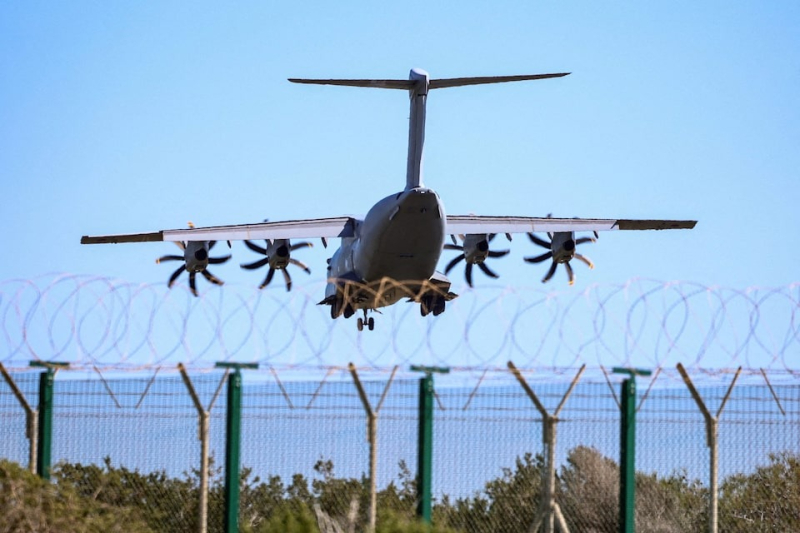
A drone strike targeting a British air base in Cyprus has reignited political debate over the United Kingdom’s long standing military presence on the Mediterranean island. The incident occurred earlier this week at RAF Akrotiri, one of two British sovereign base areas that have operated on Cypriot territory since the country gained independence in 1960. Although the drone caused only limited damage and no casualties were reported, the attack heightened security concerns and forced nearby civilians to evacuate as authorities assessed the situation. The event has intensified scrutiny from politicians and analysts who fear Cyprus could be drawn into a broader regional conflict connected to rising tensions involving Iran and its allies.
The drone is believed by security officials to have been launched by Hezbollah, an armed group closely aligned with Iran. Its impact at the Akrotiri base prompted immediate security alerts across the island and triggered emergency procedures at surrounding civilian areas. Akrotiri and the nearby Dhekelia base together form key British military installations that have supported operations across the Middle East for decades. Covering roughly 99 square miles along Cyprus’s southern and eastern coastlines, the bases function as sovereign British territory and host thousands of military personnel along with their families. Approximately twelve thousand Cypriot residents live in communities surrounding the installations, making any potential escalation a direct concern for local authorities and civilians.
Political reactions in Cyprus have been cautious but increasingly vocal. President Nikos Christodoulides acknowledged growing public concern and said that no option could be completely ruled out when discussing the future of the bases. Foreign Minister Constantinos Kombos also addressed the issue carefully, noting that decisions about national security and international agreements cannot be made during moments of crisis. At the same time, some political commentators and public figures have taken a stronger stance. Several voices within the Cypriot media argue that the presence of foreign military infrastructure exposes the island to geopolitical risks and could place citizens in danger if regional conflicts intensify.
The debate was further fueled by comments made by British Prime Minister Keir Starmer over the weekend regarding the potential use of British facilities in Cyprus within a broader Western response to Iran. Cypriot officials reacted with frustration after the remarks appeared to suggest the bases could be involved in operations connected to the conflict. British authorities later clarified that the island was not being used for such activities. In response to rising diplomatic tension, the United Kingdom dispatched Defence Secretary John Healey to Nicosia in an effort to reassure the Cypriot government and maintain close coordination between the two countries. The meeting followed discussions between President Christodoulides and senior British intelligence officials about the evolving regional security situation.
Legal experts in Cyprus have also begun examining whether the arrangements governing the British base areas remain consistent with modern international law. Some scholars argue that the agreements, which date back to the end of colonial rule, deserve renewed scrutiny because they grant the United Kingdom full jurisdiction over the territories. Critics say the structure represents one of the final remnants of colonial era governance in Europe. Others emphasize that the bases continue to play a strategic role in regional security and humanitarian missions, including surveillance operations, evacuation support and logistical coordination for allied forces operating in the Middle East.
The discussion has also drawn comparisons with the United Kingdom’s recent agreement to transfer sovereignty of the Chagos Islands to Mauritius following international legal rulings. Cypriot analysts say that development could serve as a precedent for reconsidering long standing territorial arrangements created during the colonial period. Former officials and legal scholars have suggested that Cyprus could seek a framework that aligns more closely with international legal standards while maintaining cooperation with British and allied forces. Such proposals remain theoretical for now but they have added momentum to an already sensitive political conversation.
Despite the renewed debate, there is currently no clear indication that the Cypriot government intends to demand the closure of the bases. British authorities maintain that the sovereign base areas operate fully within international legal frameworks and remain essential for defence cooperation and regional stability. Privately, some Cypriot officials acknowledge that challenging the arrangement could complicate diplomatic relationships at a time when the island continues to manage its own long standing division between Greek and Turkish Cypriot communities. For the moment, discussions appear focused on reviewing security arrangements and ensuring that the island does not become entangled in escalating geopolitical tensions.