Fashion
Feathers Return to Couture With Timeless Appeal

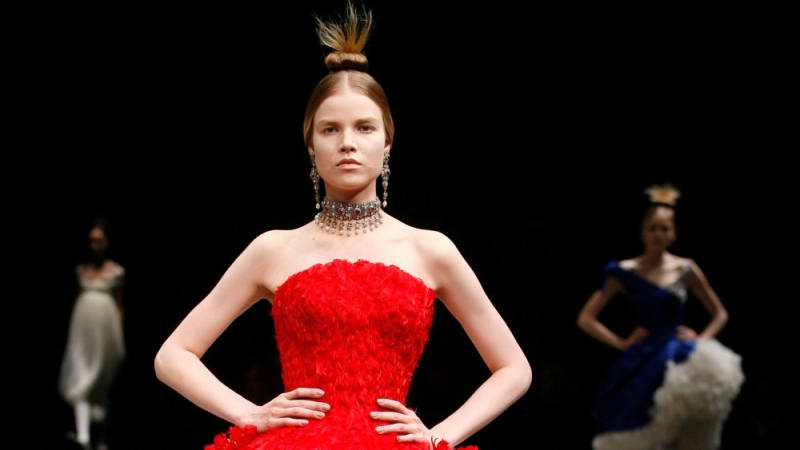
Feathers are once again commanding attention on the couture stage, reaffirming their enduring place in high fashion as designers revisit one of the most expressive decorative techniques in style history. The spring 2026 couture season has seen feathers used not as novelty embellishments, but as central design elements that add movement, texture and theatrical presence to collections. Long associated with craftsmanship handled by specialist artisans, feathers have historically bridged fashion, millinery and performance, offering designers a way to create drama without sacrificing elegance. Their renewed prominence reflects a wider return to couture values rooted in handwork, heritage and storytelling. As modern collections reinterpret historical motifs, feathers are being used to evoke lightness, fantasy and refinement while remaining relevant to contemporary silhouettes and sensibilities.
The relationship between feathers and couture dates back more than a century, gaining momentum in the early twentieth century as fashion embraced ornate detailing for both day and evening wear. During the Art Deco era, feathers appeared on hats, brooches and gowns, offering a glamorous alternative to fur and aligning with changing ideas of luxury and femininity. Archival fashion reporting from the period highlighted feathers as symbols of formality and sophistication, closely tied to influential designers and society figures of the time. Their visual impact made them ideal for couture, where garments were designed to be memorable statements rather than everyday pieces. Over the decades, feathers became shorthand for spectacle, used sparingly or extravagantly depending on the creative vision behind each collection.
The late twentieth century marked another defining chapter for feathers, as couture designers embraced them in bold, imaginative ways. The technique featured prominently in collections that pushed the boundaries of fashion as art, reinforcing feathers as tools of narrative rather than decoration alone. These designs often combined sharp tailoring with soft, organic materials, creating contrast and emotional resonance on the runway. Feathers appeared as collars, headpieces and sculptural accents, transforming garments into visual experiences. This era cemented their association with couture storytelling, where clothing became a medium for fantasy, symbolism and identity. The influence of these moments continues to shape how designers approach feathers today, drawing inspiration from archival references while adapting them for modern audiences.
In the current couture landscape, feathers are being reintroduced with renewed purpose, balancing heritage with innovation. Designers are experimenting with placement, scale and technique, integrating feathers into streamlined silhouettes and architectural forms. Advances in sourcing and craftsmanship have also influenced how feathers are used, with greater emphasis on ethical considerations and sustainability. The result is a refined approach that honours tradition while responding to contemporary values. As couture continues to evolve, the return of feathers signals a broader appreciation for artisanal detail and emotional design. Their presence in recent collections suggests that feathers remain one of fashion’s most powerful tools for expressing elegance, fantasy and timeless beauty.