Politics
Celebrity Objections Stall Blackheath Housing Plan

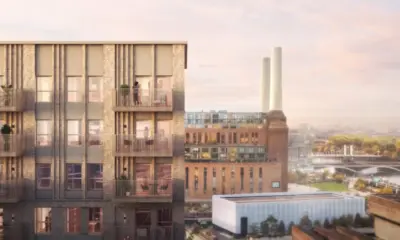
Plans to build dozens of new homes in south London have been delayed after a wave of opposition from residents, businesses, and well known public figures prompted councillors to seek further information. Lewisham Council has deferred a decision on a proposal for 45 homes at the car park beside Blackheath station, following intense local scrutiny. The scheme includes two apartment blocks rising four and five storeys alongside a terrace of townhouses. Campaigners argue the development would overwhelm the area and undermine its established character. More than twelve hundred objections have been submitted, far outweighing the limited number of comments in support, making the application one of the most contested planning cases the borough has faced in recent years.
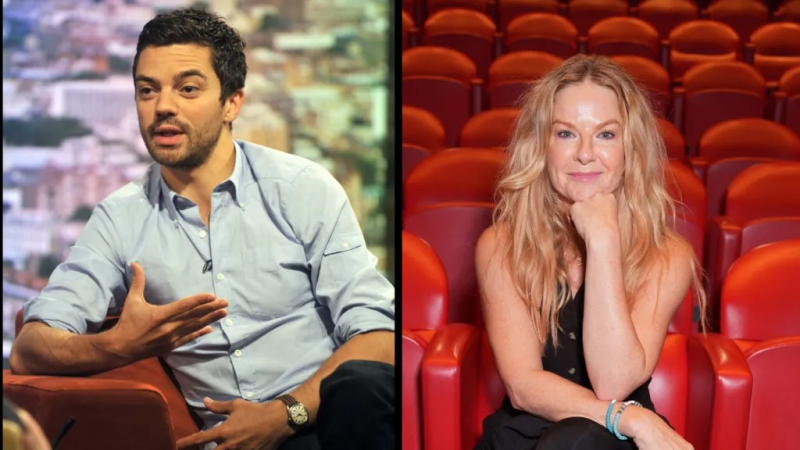
Opposition to the project has been amplified by a group of high profile figures with connections to the area, including actors Jude Law and Dominic Cooper. In a jointly signed open letter, they described the proposed buildings as unsympathetic and excessively dominant, claiming the design would harm rather than enhance the neighbourhood. They stressed that objections were not rooted in hostility to development, but in concerns about scale, design, and the lack of affordable and social housing. Other figures from the arts and media have also voiced opposition, reinforcing a campaign that has drawn national attention to a local planning dispute rooted in community identity and long term urban impact.
Councillors reviewing the application requested additional detail from developers on issues including parking provision, emergency access, and the effect on nearby businesses and community uses. Particular concern has been raised about the future of the weekly farmers market that operates from the car park and is viewed as a key feature of local life. Planning officers had previously recommended approval subject to a long list of conditions, but elected members said the volume of objections and the complexity of the issues required further reassurance. The council has acknowledged the unusually high level of public engagement, with local schools, traders, and residents all submitting formal objections outlining fears over congestion, loss of light, and commercial disruption.
The developer behind the scheme has defended the proposals, arguing that the project would deliver clear public benefits, including new homes and improved public space. Representatives said a proportion of the housing would be social rented and that the plans would improve pedestrian routes and provide a permanent location for the market. They also stated that any identified harm was limited and outweighed by the benefits of additional housing supply. The planning committee is expected to revisit the application at a future meeting after reviewing the requested information, leaving the future of the Blackheath development uncertain as debate continues between community groups, councillors, and developers.