Politics
Understanding The Collapse Of The China Spy Case And Its Political Fallout

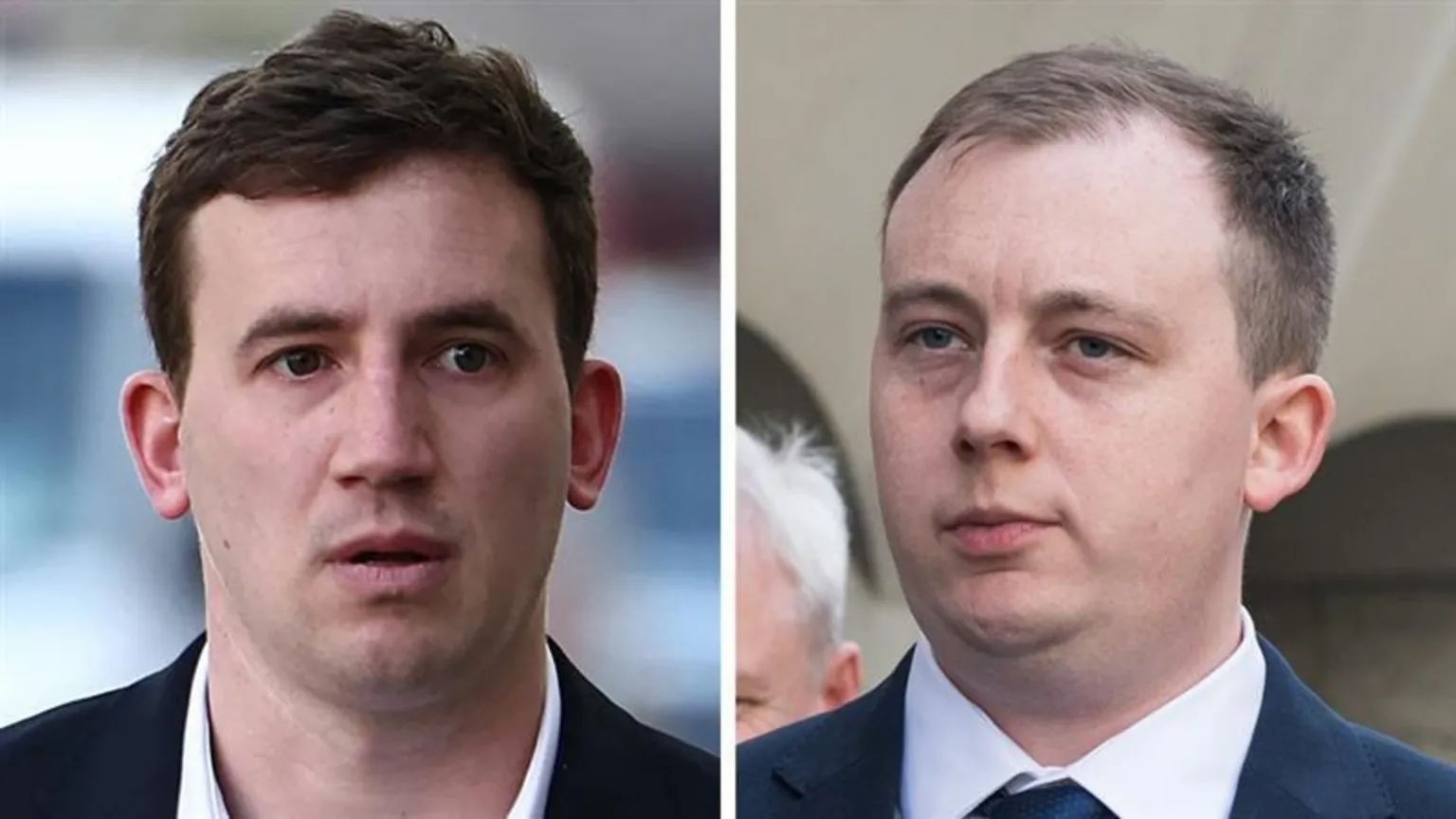
A major national security prosecution has unravelled in dramatic fashion, leaving the UK government facing urgent questions about how a high profile spy case against two men accused of working for China collapsed just weeks before trial. The decision by prosecutors in September to drop all charges has ignited political tensions, triggered debate about the handling of sensitive intelligence and raised concerns about whether the system is equipped to deal with complex espionage cases. To understand why the controversy has intensified, it is necessary to examine the allegations, the timeline and the implications for government credibility.
What The Case Originally Alleged
The investigation centred on two men, former parliamentary researcher Christopher Cash and academic Christopher Berry. Both were charged under the Official Secrets Act in April 2024, accused of gathering and passing information that could harm UK national interests. Prosecutors claimed the pair had provided politically sensitive material to a Chinese intelligence agent between December 2021 and February 2023. According to the case outline, this information was then relayed to a senior figure within the Chinese Communist Party. From the outset, however, both Cash and Berry strongly denied the allegations, insisting that they had never acted on behalf of any foreign power.
Why The Charges Were Dropped So Suddenly
The abrupt collapse of the case left observers stunned. Just weeks before it was scheduled to reach court, prosecutors said they could no longer meet the legal threshold for a realistic prospect of conviction. That decision immediately raised questions. Had key evidence proved unreliable. Did the intelligence material fail to withstand judicial scrutiny. Were there concerns about revealing sensitive national security methods in open court. Prosecutors have not publicly detailed their reasoning, citing national security constraints, but critics argue that the government may have overreached in bringing charges before the evidence was ready to withstand legal challenge.
Political Tensions Erupt Over Responsibility
The fallout has quickly become a political dispute. Government ministers insist that they acted appropriately and that charging decisions were made independently by the Crown Prosecution Service. Opposition MPs, however, accuse the government of fuelling alarm about Chinese espionage without ensuring a robust evidential basis. They argue that the collapse of such a serious national security case risks undermining public confidence both in counter espionage efforts and in the impartiality of intelligence led prosecutions. With tensions already high over UK China relations, the incident has become another flashpoint in an increasingly politicised debate.
What The Case Reveals About Espionage Investigations
Espionage prosecutions under the Official Secrets Act are exceptionally complex. They often rely on classified intelligence that cannot easily be disclosed in court without compromising sources or methods. This presents prosecutors with a dilemma. They must prove allegations to a criminal standard while protecting national security. Legal experts suggest that in the China spy case, the balance may have proved unworkable. The withdrawal of charges may indicate that the necessary evidence could not be presented openly or that intelligence assessments could not be converted into admissible proof. The case highlights the broader challenge of updating espionage legislation to reflect modern geopolitical threats.
The Broader Implications For UK China Relations
The collapse of the case comes at a sensitive moment in Britain’s relationship with China. In recent years, the UK has taken a tougher stance on Chinese influence, security risks and technological dependence. High profile allegations of spying have shaped political debate, and the withdrawal of charges risks complicating that narrative. If the government appears either overly cautious or overly aggressive in addressing Chinese espionage, it risks fuelling criticism from both sides. Lawmakers who view China as a major threat argue that national security work must be strengthened, while others warn of the danger of politicising intelligence assessments.
What Happens Next
For now, both Cash and Berry have been cleared, and no further action is expected unless new evidence emerges. The government, however, is facing pressure to explain what went wrong and how future espionage cases can be handled more effectively. The episode may accelerate calls to modernise the Official Secrets Act and improve the balance between intelligence protection and prosecutorial transparency. As political scrutiny intensifies, the collapse of the China spy case has become a cautionary tale about the complexities of national security prosecutions and the need for clear, credible processes when accusations carry such profound implications.