Politics
Swinney Defends Justice Secretary Angela Constance Amid Grooming Gangs Inquiry Row

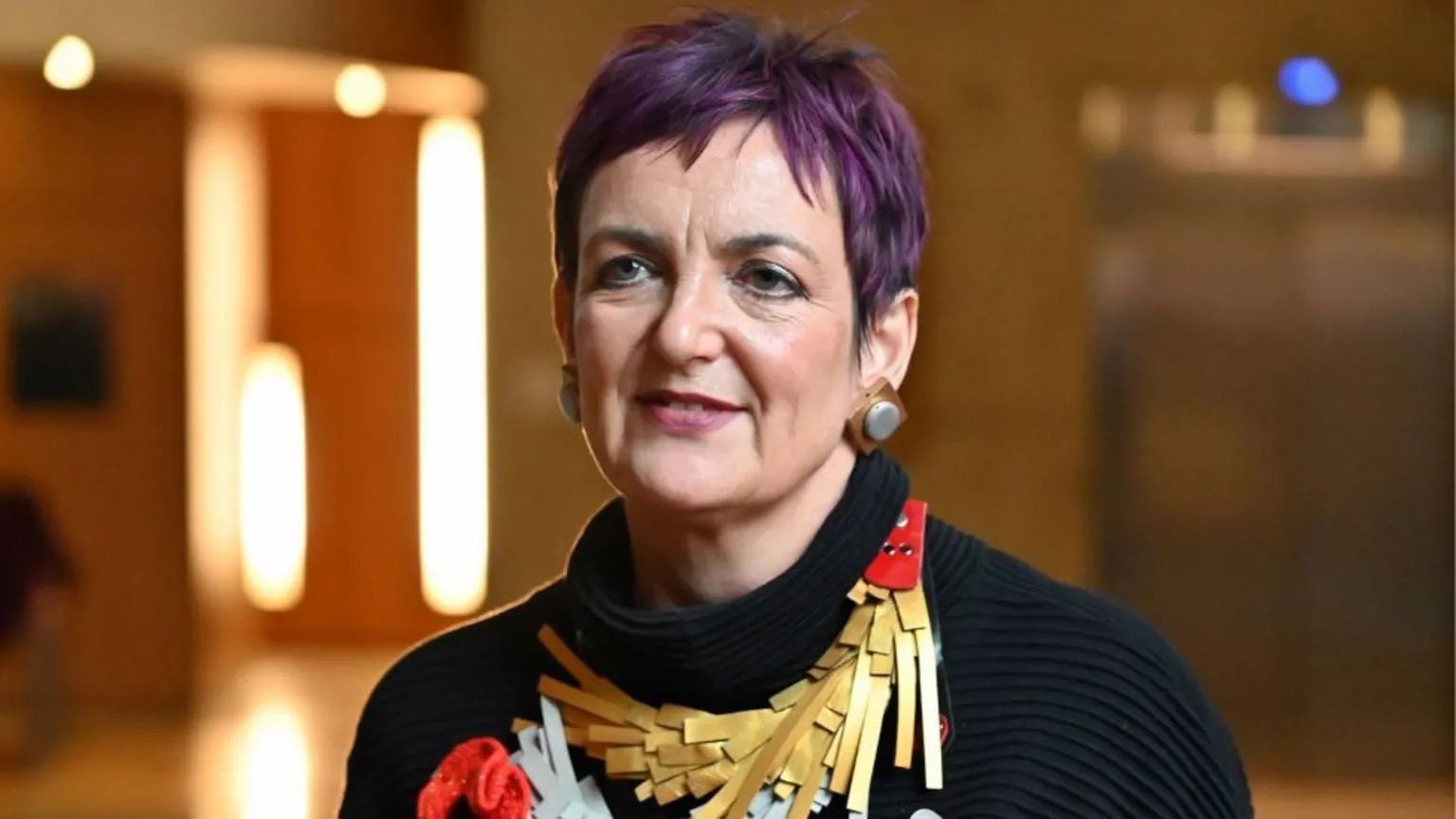
Scottish First Minister John Swinney has rejected mounting calls to dismiss Justice Secretary Angela Constance after accusations that she misled parliament over comments relating to a grooming gangs inquiry. The controversy centres on her interpretation of the views of Professor Alexis Jay, a leading UK expert on child sexual abuse and exploitation. Opposition parties argue that Constance misrepresented the academic’s stance when she told parliament that Prof Jay did not support further inquiries into grooming gangs. The row has prompted motions of no confidence from the Conservatives, Labour and the Liberal Democrats, intensifying political tension at Holyrood.
How The Row Began
The dispute emerged after Constance told MSPs that Prof Jay did not believe additional inquiries were necessary. Critics later pointed to newly released emails between the Scottish government and the academic which they say contradict the minister’s parliamentary statement. Opposition MSPs argue that these exchanges show Prof Jay had not dismissed the need for further investigation in the way Constance suggested. They claim parliament was therefore misled, intentionally or otherwise, and that such an error from a justice secretary warrants serious consequences. For opponents, the issue is not only about interpretation but about ministerial accountability.
Opposition Parties Call For Her Removal
During First Minister’s Questions, Scottish Conservative leader Russell Findlay accused Constance of brazenly misrepresenting a leading child abuse expert. Labour leader Anas Sarwar went further, describing her conduct as a clear breach of the ministerial code. Both parties have tabled motions of no confidence, with the Liberal Democrats backing them. Their central argument is that accuracy and transparency are essential when discussing issues as sensitive as child sexual exploitation. They insist that Constance’s comments undermined trust in the inquiry process and damaged confidence in the government’s handling of the matter.
Swinney Stands Firm In Defence Of Constance
Despite the pressure, John Swinney has remained steadfast in his support for Constance. He said her remarks about Prof Jay had been clarified and that he did not believe she had misled parliament. Swinney emphasised that mistakes or ambiguities should be examined, but he rejected the suggestion that the justice secretary’s position was untenable. His defence signals the government’s intention to weather the political storm rather than concede to opposition demands. It also highlights the broader challenge of navigating highly charged debates involving public safety, academic expertise and political scrutiny.
What The Emails Reveal About Prof Jay’s Position
Prof Jay, known for leading major inquiries into child sexual abuse in the UK, is widely respected in her field. The newly published emails appear to show a more nuanced position than the one initially presented by Constance. While the academic expressed concerns about duplicating existing work and stressed the importance of effective action rather than simply conducting more inquiries, she did not categorically oppose further investigation. This distinction forms the basis of the opposition’s charge that parliament was misled. Constance, however, maintains that her summary reflected the substance of the discussion as she understood it.
What Happens Next For The Government
The no confidence motions signal a serious escalation, but whether they succeed will depend on parliamentary numbers. Swinney’s Scottish National Party minority government often relies on support from the Scottish Greens, whose stance will influence the outcome. Beyond political calculations, the controversy raises wider questions about how governments interpret expert advice and communicate it in parliament. It also underscores the sensitivity of inquiries into grooming gangs, which demand precision, transparency and public reassurance. For now, Swinney is standing by Constance, but the issue is far from resolved and may continue to shape political debate in Scotland in the coming weeks.