Tech
Understanding Battery Health In A Used Electric Vehicle

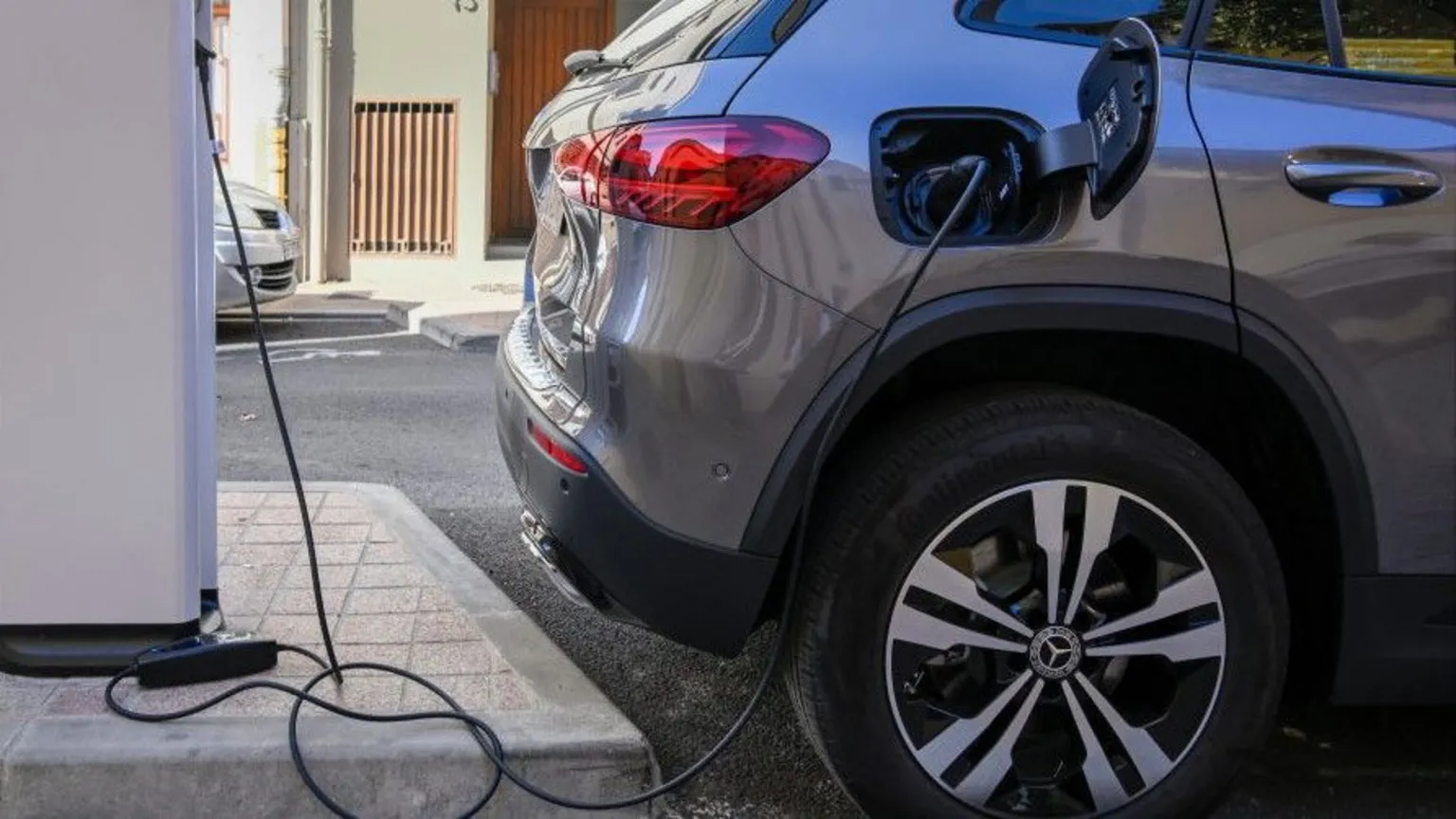
Buying a used electric vehicle has become increasingly appealing as more models enter the second hand market, yet the biggest question most buyers ask is simple. How good is the battery. Since the battery is the heart of an EV and often the most expensive component, knowing how much life it has left is essential. Unlike petrol engines where wear is easy to detect through sound, smell or performance, battery health requires a different kind of evaluation. Understanding how batteries age, how they are maintained and what tools exist to measure their condition can help buyers make informed decisions.
How EV Batteries Age Over Time
All EV batteries gradually lose capacity as they age. This process is known as degradation, and it reduces the total number of miles the vehicle can travel on a full charge. Most degradation occurs early in the battery’s life and slows as time goes on. Climate, charging habits and mileage all play a role. Batteries in very hot climates tend to age faster because heat stresses the cells. Frequent fast charging can also speed up wear since the rapid flow of energy increases thermal load. On the other hand, cars used regularly but gently, charged mostly at home and kept within moderate temperature ranges tend to show much slower degradation.
How To Check The Condition Of A Used EV Battery
Modern EVs include battery management systems that track the battery’s health. Most manufacturers provide a state of health indicator that shows how much capacity the battery retains compared to when it was new. Some models show this directly on screen, while others require a diagnostic tool or app. Buyers should always ask for this information. Range estimates during a test drive can also reveal clues. If the car once promised three hundred miles but now estimates only two hundred thirty under similar driving conditions, that is a sign of notable capacity loss. A dealer or certified technician can also run a battery diagnostic that reveals cell level data, charging history and degradation patterns.
Warranty Protection And Long Term Confidence
One advantage of EVs is that battery warranties are typically generous. Many manufacturers guarantee the battery for eight years or around one hundred thousand miles, promising replacement if capacity drops below a certain percentage. When buying used, checking how much warranty remains can provide peace of mind. A battery still under warranty can significantly reduce financial risk. Even vehicles out of warranty often perform well since EV batteries are generally engineered for long lifespans. Data from high mileage EVs shows that many retain well over eighty percent capacity after years of use, especially models with sophisticated cooling systems.
What Buyers Should Look For Before Making A Decision
A good inspection goes beyond battery percentage. Buyers should also look at charging patterns in the vehicle’s history. Cars that relied heavily on fast charging may show faster wear. Climate records, service history and software updates matter too, since manufacturers often improve battery management with new firmware. Driving the car in different conditions can provide practical insight into real world range. If the car accelerates smoothly, charges predictably and delivers a stable range estimate, these are signs of a healthy battery. A well cared for EV can offer excellent long term value, but a vehicle with poorly documented history or unusual performance traits should be evaluated carefully.
The Bottom Line On Used EV Battery Quality
In most cases, the battery in a used electric vehicle is far better than many buyers expect. With proper care and modern engineering, batteries can retain strong performance for many years. Still, careful inspection is essential. Understanding state of health data, reviewing warranty terms and evaluating real world performance provide a clear picture of what to expect. For buyers willing to do a bit of homework, the used EV market offers reliable options with significantly lower running costs and long term benefits.