
Technology
Can Arc Raiders Win a Bafta Despite the AI Controversy Surrounding It

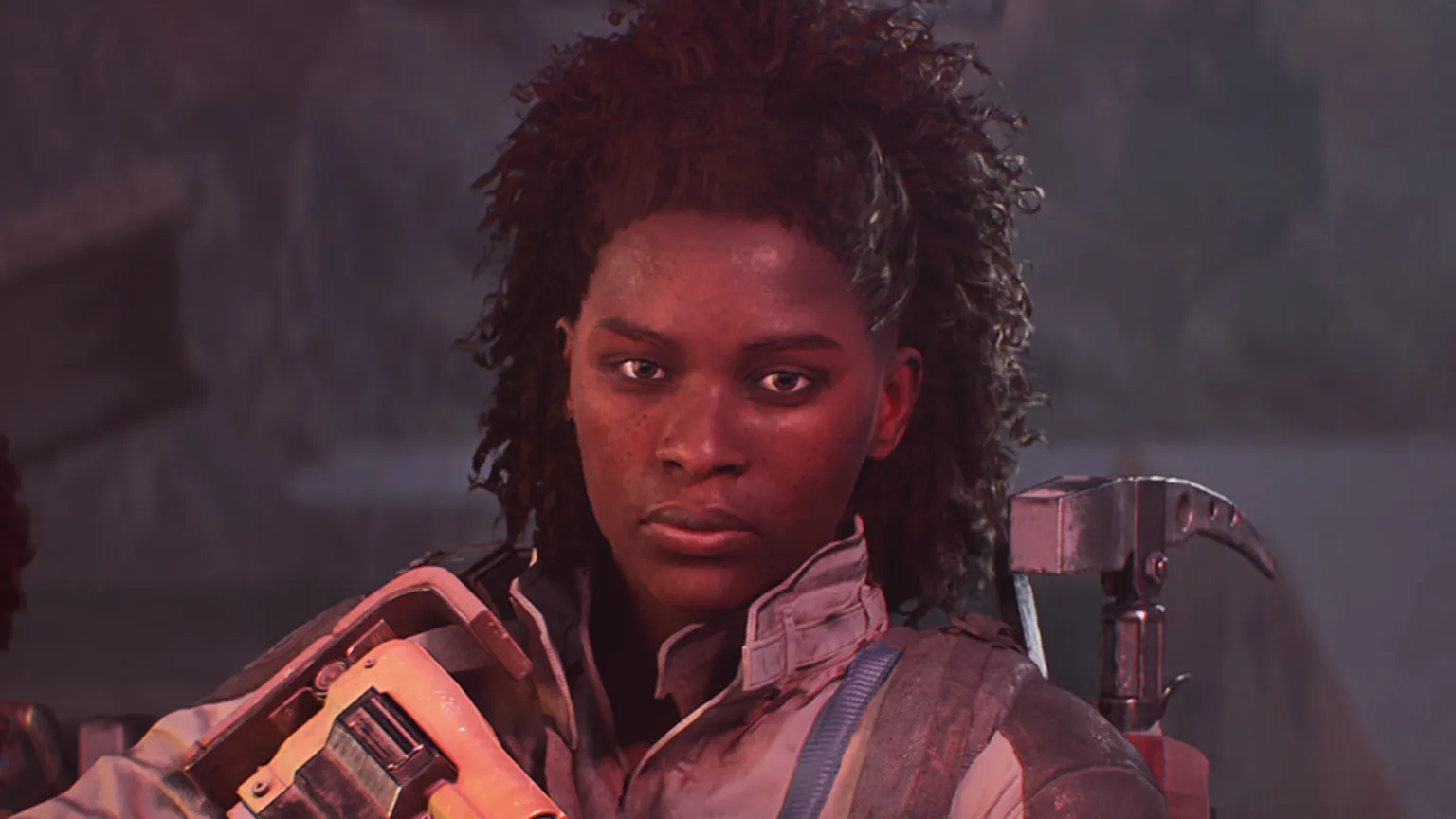
Arc Raiders, the fast paced multiplayer shooter developed by Sweden’s Embark Studios, has become one of the most talked about games of the year. After its launch in October, the title quickly gained popularity, selling more than four million copies and earning praise for its visual design, gameplay energy and ambitious world building. But alongside its commercial success, Arc Raiders has ignited a heated conversation within the gaming industry about the use of artificial intelligence. As the game competes for one of the top honours at next year’s Bafta Game Awards, that debate is shaping the way players and industry insiders view its achievements.
How AI Sparked Backlash
The controversy began when it emerged that Embark Studios had used text to speech tools to generate additional dialogue lines based on recordings from the game’s actors. While AI assisted audio tools are increasingly common in game development, many performers argued that such practices could undermine their profession. Critics fear that using AI to extend or modify voice performances may reduce opportunities for human actors or blur the boundaries of creative ownership.
Actors’ unions and some players expressed concern that relying on AI generated lines could set a precedent in the industry, especially if the practice becomes widespread without clear guidelines or compensation structures. Supporters of the developers argue that the tool was used only to add minor lines for background scenes and that the studio worked closely with actors to ensure their performances remained central. Still, the issue has sparked broader questions about the role AI should play in creative industries.
Recognition Amid Controversy
Despite the debate, Arc Raiders remains a strong contender at the upcoming Bafta Game Awards. It is one of ten titles longlisted for the prestigious Best Game category, a recognition that reflects its impact and popularity. The shortlist will be announced closer to the ceremony in April, and many in the gaming community are eager to see whether the AI controversy will influence judges’ decisions.
Bafta has previously acknowledged games that push boundaries in storytelling, technology and innovation. Arc Raiders fits that pattern in many ways. Its dynamic environments, cooperative mechanics and cinematic battles have helped it stand out in an increasingly crowded market. Yet awards bodies also consider public perception, and the ongoing conversation about ethics and AI may weigh on the minds of voters.
The Larger Industry Conversation
Arc Raiders is not the first game to draw scrutiny over AI, and it will not be the last. As development tools evolve, studios are experimenting with AI for animation, dialogue, testing and procedural content. These technologies offer efficiency gains and creative flexibility, but they also raise unresolved questions about credit, labour rights and artistic authenticity. The backlash around Arc Raiders highlights the urgent need for industry standards and transparent communication between developers and performers.
Voice actors in particular have called for clearer contractual protections as AI tools become more powerful. Many argue that consent, compensation and creative boundaries must be established before AI assisted work becomes common practice. Developers, meanwhile, emphasise that responsible use of AI can support human creativity rather than replace it.
Can Arc Raiders Rise Above the Debate
Whether Arc Raiders wins a Bafta may ultimately depend on how voters balance its artistic and technical achievements against the ethical conversation surrounding it. Some may see the game as a milestone in innovation, while others may view the controversy as a cautionary example of how rapidly AI is reshaping creative industries.
What is certain is that Arc Raiders has left a significant mark on gaming culture. Its success and the debate it sparked have positioned it at the crossroads of entertainment and emerging technology. As the gaming world awaits the Bafta shortlist, the conversation around AI, creativity and the future of game development continues to grow.



