Latest News
Greek sheep and goat cull sparks fears of feta cheese shortage

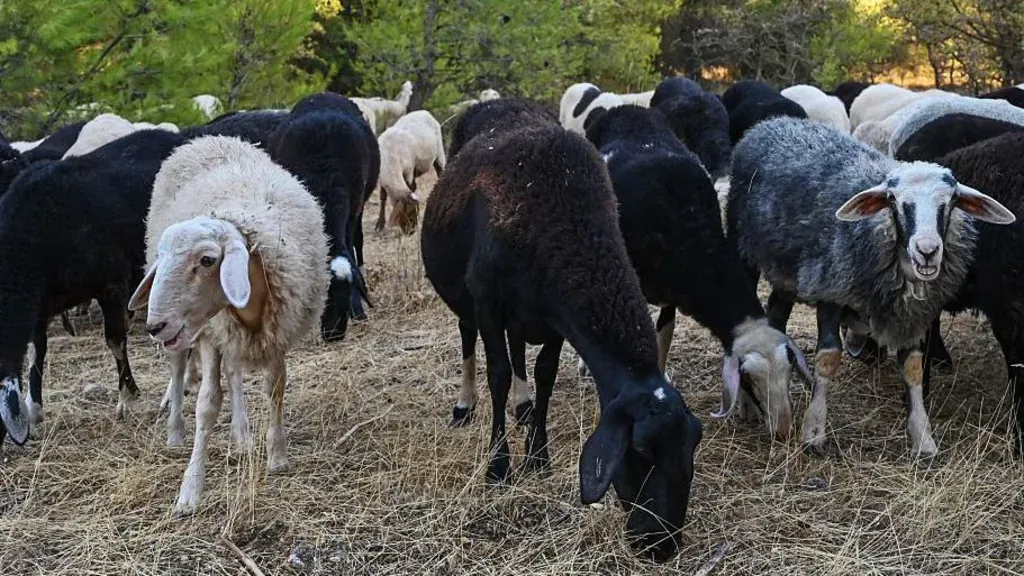
Greece is facing a mounting agricultural crisis as hundreds of thousands of sheep and goats are culled in response to a fast spreading outbreak of pox, raising concerns about a potential shortage of the country’s most famous export: feta cheese. For farmers in regions like Thessaly, where livestock rearing is central both to livelihoods and cultural identity, the situation has become devastating.
In Karditsa, veterinarian and farmer Anastasia Siourtou walks through what remains of her once thriving farm. Only weeks ago the fields were filled with the sound of 650 sheep. Now there is silence. On 12 November veterinary officials culled all her animals after a case of sheep and goat pox was confirmed. The disease, which spreads rapidly and is highly contagious, has forced government authorities into mass culls to contain it.
Siourtou believes her herd became infected due to a nearby farm that failed to report its own pox cases. “There is another farm two kilometres away. They had pox cases, but hid it,” she says. A lack of transparency in some areas, officials warn, risks accelerating the outbreak and undermining containment efforts.
For Siourtou, the loss is more than financial. Though she runs the farm her father built and has expanded it significantly, she says nothing prepared her for watching her animals being destroyed. “I was here the day the sheep were culled. It is very cruel. I felt that I failed to protect them,” she explains.
The economic impact is already being felt nationwide. Sheep’s milk, the primary ingredient in feta cheese, is sometimes referred to as Greece’s “white gold”. Any disruption to supply threatens the production of a product that is not only a cornerstone of Greek cuisine but also a major export legally protected under EU designation rules. Feta production supports thousands of jobs, from herding and milking to processing and distribution.
Agricultural associations warn that the cull will significantly reduce the volume of milk available in the coming months. This could drive prices up, reduce exports and put pressure on small dairies that depend on steady supply. The outbreak also coincides with a period of financial strain for many Greek farmers already grappling with extreme weather, rising feed costs and energy expenses.
Authorities are intensifying surveillance and introducing stricter controls on livestock movement. Veterinary teams are carrying out inspections across affected prefectures, and farmers are being urged to report suspected cases immediately. Compensation schemes have been introduced, but many say the payments fall far short of covering the true cost of rebuilding a herd, which can take years.
Beyond economics, the outbreak poses a cultural threat. Sheep and goat farming is deeply woven into rural Greek life, with traditions, recipes and local identities shaped by pastoral heritage. A prolonged slump in livestock numbers could reshape farming communities and disrupt generations of family run operations.
For now the priority remains containing the disease. But for farmers like Siourtou, the emotional scars and long road to recovery highlight just how vulnerable agricultural life can be when disease strikes.