Entertainment
History has treated her badly’: Hamnet and the mystery of Shakespeare’s wife and son

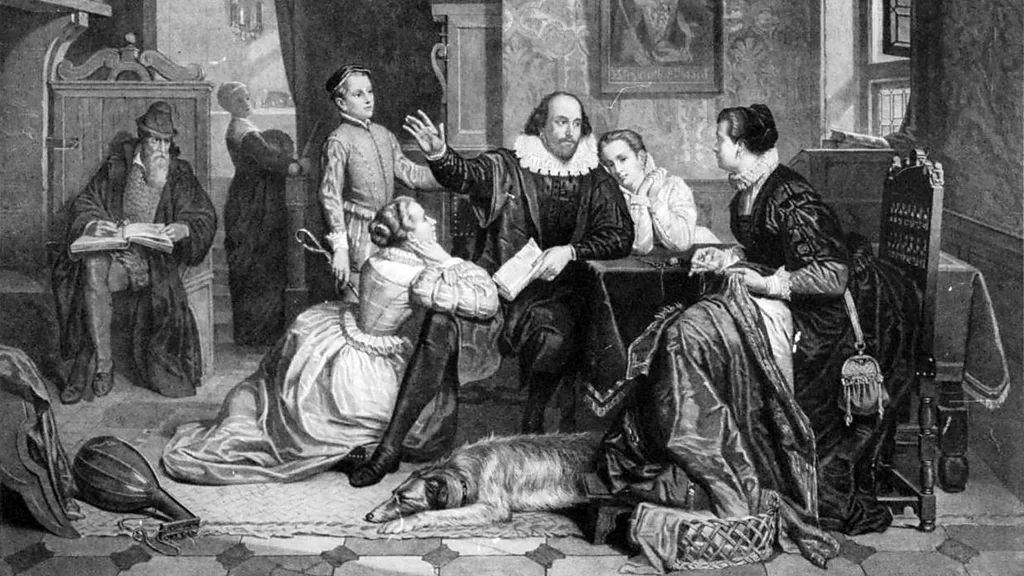
A new Oscar tipped film is reigniting interest in one of literature’s most intriguing gaps: the lives of William Shakespeare’s wife and their young son, Hamnet. The film, adapted from Maggie O’Farrell’s acclaimed 2020 novel Hamnet, imagines a richly emotional world behind the sparse historical records. It explores the grief that follows the tragic loss of Shakespeare’s son and the invisible weight carried by his wife, Agnes Hathaway, whose real story has long been overshadowed by myth, speculation and centuries of academic guesswork.
The novel and film take enormous creative licence, but critics say they do so with purpose. Agnes is portrayed as a skilled herbalist, a woman attuned to natural remedies and the rhythms of the world, and someone with an uncanny intuition about the future. Yet even with this imagined insight, she cannot save Hamnet from the plague. That heartbreak becomes the emotional centre of the story and, in the film’s telling, the spark behind Shakespeare’s later masterpiece Hamlet. It is a compelling narrative thread, though not one that can be proven by history.
The truth is that the real lives of Anne Hathaway, Shakespeare’s wife, and their children remain shrouded in mystery. Most of what we know comes from sparse parish records. William was just 18 when he married the 26 year old Anne in 1582, a union that likely took place hastily as she was pregnant with their first daughter, Susanna. Three years later the couple welcomed twins, Judith and Hamnet. The name Hamnet was a common one at the time and interchangeable with Hamlet, a coincidence that has fascinated scholars for generations.
What can be confirmed is that Hamnet died in 1596 at the age of 11. He was buried on 11 August, and historians believe Shakespeare, who was travelling with his theatre company, probably could not return to Stratford in time for the funeral. The loss of a child in the Elizabethan era was tragically common, yet Hamnet’s death has lingered in literary memory because of its proximity to the creation of Hamlet, written around four years later. Whether the play’s meditation on grief, mortality and family conflict was directly inspired by the boy’s death remains one of literature’s great unanswered questions.
The film leans into the emotional resonance of that possibility. Starring Paul Mescal and Jessie Buckley as William and Agnes, it brings to life a marriage often reduced to clichés. Anne Hathaway has long suffered from historical neglect, often depicted as a dull rural wife abandoned by a husband who sought fame in London. O’Farrell’s vision reframes her as a vivid, complex character whose influence is felt in Shakespeare’s art even if written records never captured it.
For many modern audiences this retelling feels overdue. Historians acknowledge that silence in the records does not equal insignificance in real life. The gaps allow storytellers to imagine the emotional realities behind the public legacy of the world’s most famous playwright.
As awards season approaches, Hamnet is not only attracting praise for its performances and direction but also sparking renewed curiosity about a family whose impact on Shakespeare’s work may have been profound, even if history failed to preserve the details.