Latest News
US hits out at EU for fining Elon Musk’s X

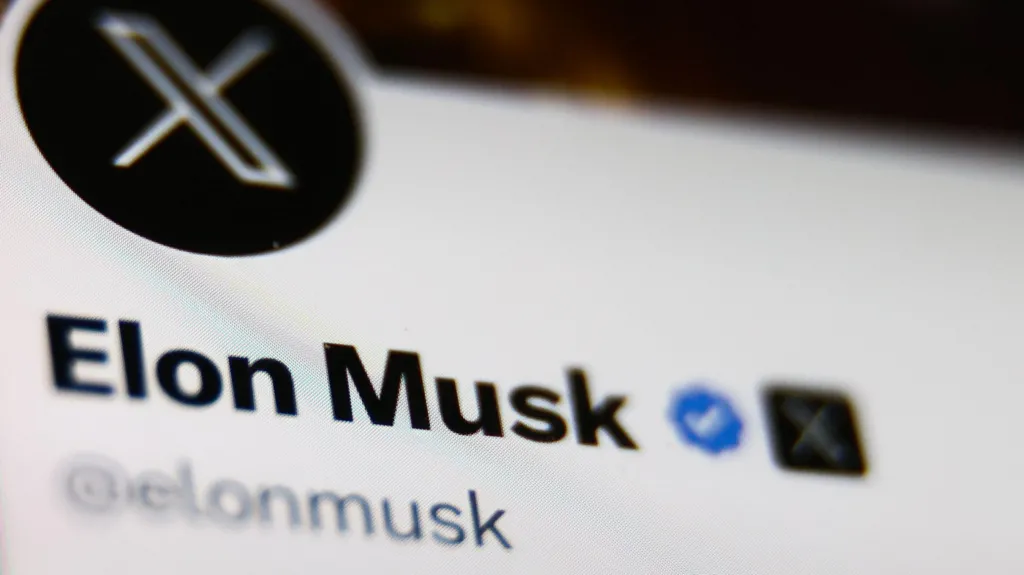
Tensions between Washington and Brussels have flared once again after the European Commission fined Elon Musk’s social media platform X €120 million for breaching digital transparency rules. The penalty, which centres on the platform’s use of paid blue tick badges, prompted an immediate and angry response from US officials, turning a regulatory dispute into a transatlantic row.
The Commission accused X of deceiving users by allowing anyone to purchase a blue verification tick without what it called meaningful checks on identity. Regulators argued that this approach exposed users to scams, impersonation attempts and other manipulation by malicious actors. In their view the badge no longer signalled trustworthiness, instead offering a false sense of security to millions across the platform.
US officials, however, saw the decision very differently. The Federal Communications Commission sharply criticised the fine, calling it a targeted attack on a successful American tech company. Brendan Carr, chair of the FCC, claimed Europe was effectively taxing US firms to compensate for what he described as the continent’s own heavy handed regulatory culture. Writing on X, he accused the EU of punishing innovation rather than nurturing it.
His comments echoed those made by US Vice President JD Vance, who intervened even before the fine was formally announced. Vance argued that X was being singled out because it refused to take part in what he described as censorship. He said the EU should be defending free expression rather than penalising US platforms over what he dismissed as trivialities. His remarks have intensified the debate, framing the dispute as part of a broader ideological clash over speech and regulation online.
Despite the political anger, the European Commission’s concerns extend beyond the controversial blue ticks. Regulators say X is also failing to meet obligations under Europe’s Digital Services Act, including providing transparency around advertising and giving researchers proper access to public data. These points have fuelled accusations that the platform is evading accountability at a time when scrutiny of online misinformation and political influence is only increasing.
Social media analyst Matt Navarra said the size and tone of the penalty show the EU is intent on demonstrating the seriousness of its regulatory regime. He argued that the fine is not just punitive but symbolic, signalling Europe’s readiness to confront even the biggest global tech giants when they fall short of legal requirements.
For users, the dispute adds to the growing uncertainty surrounding X’s direction under Musk’s ownership. The blue tick system, once a marker of authenticity, has become a lightning rod for controversy since being opened to paying subscribers. Critics say the changes have made impersonation easier, while supporters argue the system is more democratic.
With both sides holding firm, the clash underscores a widening divide over how digital platforms should be governed. Brussels remains committed to strict oversight, while Washington’s response reflects a broader resistance to what officials see as European overreach. As the row escalates, X finds itself once again at the centre of a global debate over free expression, regulation and corporate responsibility.