Tech
The High-Performance Batteries Powering the World’s Fastest Electric Race Cars

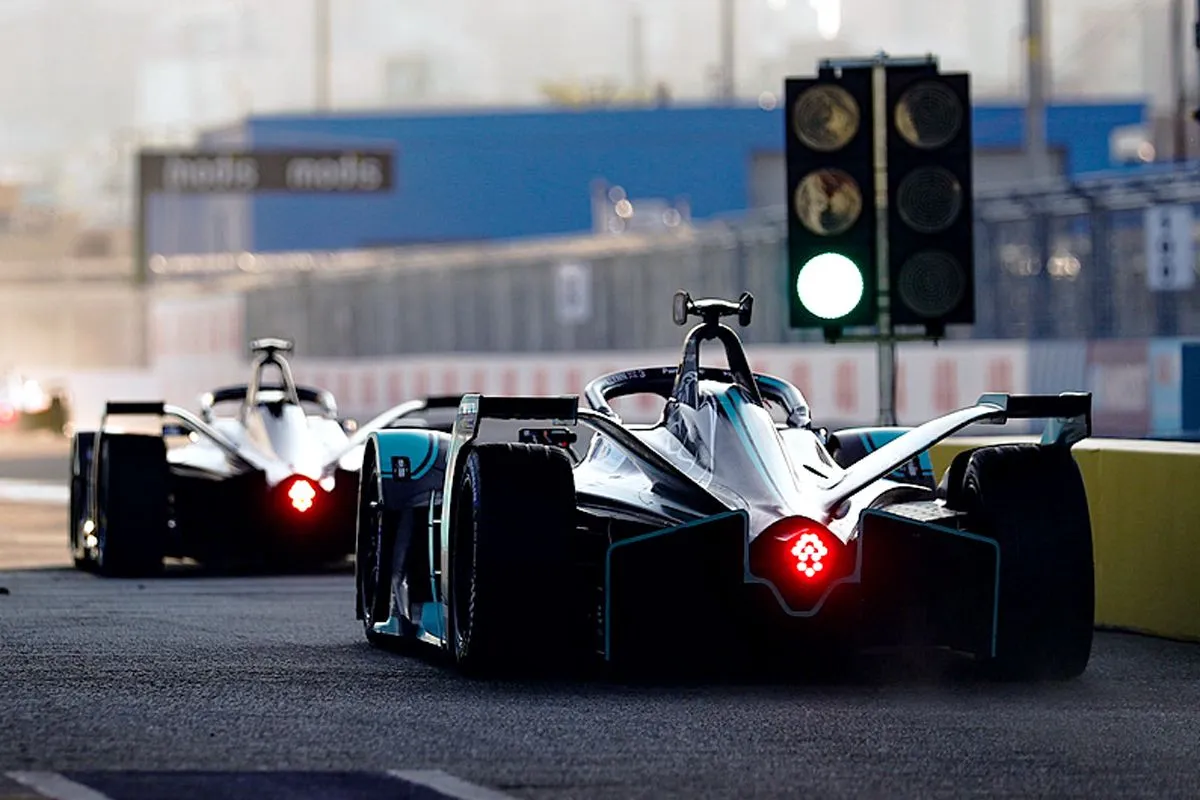
Formula E, the premier racing series for all-electric vehicles, continues to break new ground in speed, engineering, and battery innovation. On 6 December, twenty high-powered electric race cars will take to the streets of São Paulo for the first race of the championship’s twelfth season. The 2.93-kilometre circuit is built for speed, with long straight sections and only eleven corners. These conditions allow the cars to unleash their full potential, reaching top speeds of around two hundred miles per hour and accelerating from zero to sixty miles per hour in just under two seconds.
How Formula E’s Evolution Drives Innovation
While Formula One cars still hold the record for the fastest speeds in motorsport, Formula E machines are rapidly closing the gap. Since the competition began in 2014, engineers have been refining and upgrading every element of the vehicles. The next generation of Formula E cars, recently announced, will be faster and more efficient than ever before. These improvements are not just for the racetrack. Many of the breakthroughs achieved in Formula E are being adapted for road-going electric vehicles, helping to advance the transition to cleaner transport and reduce global emissions.
The Core Science Behind the Batteries
Despite the remarkable performance of these racing batteries, the underlying chemistry is familiar. Douglas Campling of Fortescue Zero says that the same basic chemical reactions taking place in everyday household batteries also occur in those used in high-performance electric race cars. Every battery contains an anode and a cathode. When the battery is idle, these components remain separated within the cell. When it is being used, electrons flow through an external circuit from the anode to the cathode, producing the energy needed to power anything from a handheld device to a racing vehicle capable of extreme speeds.
Engineering Enough Power for a Full Race
Creating a battery that can store the enormous amount of energy required to power a race car at maximum performance is a complex challenge. When Formula E held its first seasons, the battery technology was not advanced enough to last an entire race. Beth Paretta, Formula E’s vice president of sporting, recalls that drivers had to switch cars halfway through the event because the battery range was too limited. Over time, significant improvements in energy density and cooling systems have allowed a single battery pack to complete a full race without a vehicle change.
Innovations Extending Beyond the Track
The push for higher speeds and improved efficiency has forced engineers to rethink every aspect of the battery and vehicle design. Thermal management systems ensure that batteries remain at the correct operating temperature even under intense racing conditions. Lightweight materials reduce strain on the battery by improving overall vehicle efficiency. Energy recovery systems capture waste energy generated during braking and redirect it back into the battery, giving drivers an additional boost. These techniques developed in Formula E are now influencing the wider electric vehicle industry, offering insights into how future cars can travel further, charge faster and operate more sustainably.
Powering the Future of Electric Mobility
Formula E has transformed from a niche motorsport into a global testbed for battery innovation. As the technology continues to evolve, racing teams are expected to unveil even more powerful and efficient designs in the coming seasons. The lessons learned from developing ultra high performance batteries for competition are helping to accelerate improvements in everyday electric cars, driving the world closer to a future powered by clean energy.