Tech
Smart glasses boom grows despite rising privacy fears
Smart glasses 2026 demand keeps climbing even as privacy critics warn about always on cameras, and brands answer with clearer indicators and controls.

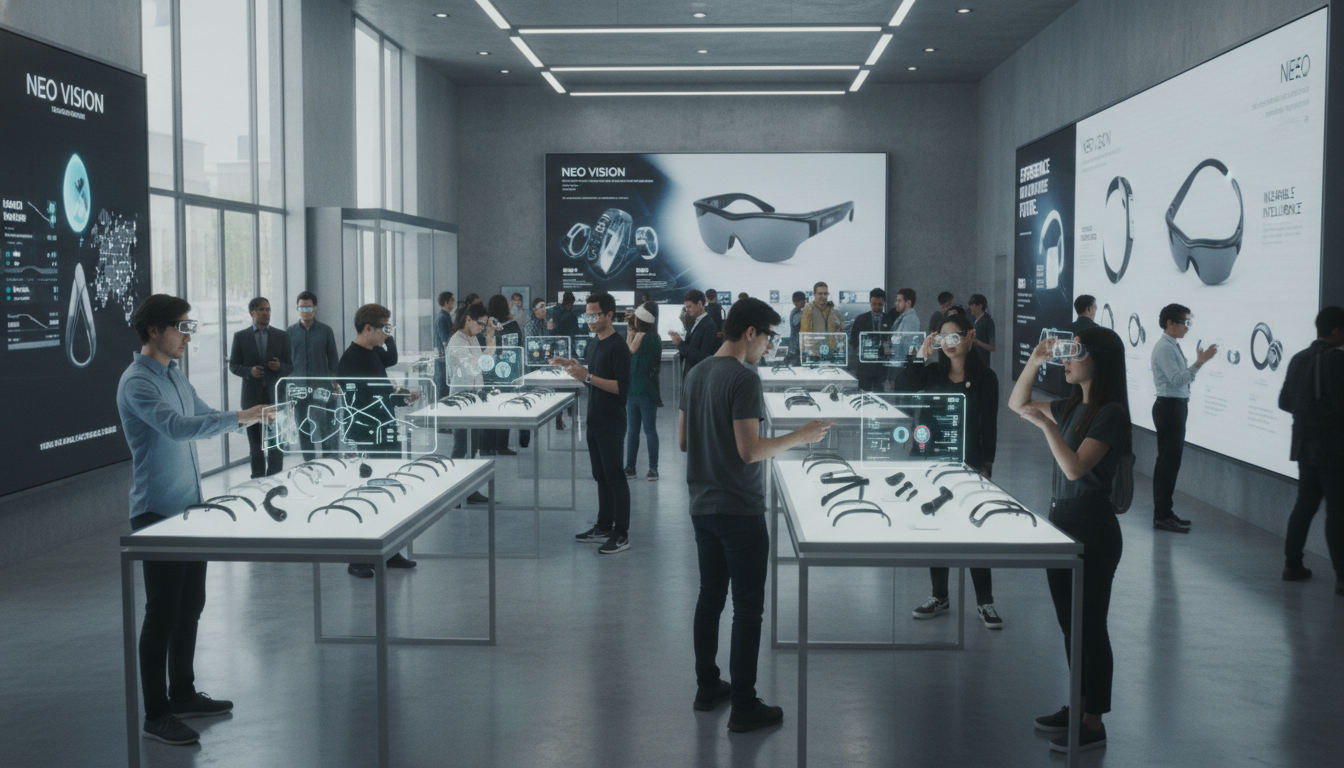
Smart Glasses Sales Surge Amid Controversy
Retailers and carriers are treating camera enabled eyewear as a headline product Today, not a niche accessory, and the sales momentum is colliding with louder public criticism. Buyers are using them for quick clips, hands free calls, and commuting audio, while civil liberties groups keep warning that bystanders rarely know when they are being filmed. In several UK high streets, store staff told the BBC they now give an on the spot Live demo to show visible recording lights and mic controls before taking payment. The current Update from privacy advocates is that convenience is outpacing caution in everyday settings. That tension is defining the tone of this launch cycle.
Major Players in the Smart Glasses Market
Competition is tightening as Meta expands retail distribution and rivals pitch clearer privacy signaling as a selling point, not an afterthought. Industry watchers are tracking the oakley meta vanguard smart glasses, while wearables startups keep pushing lighter frames like weariq smart glasses for all day use. TechCrunch has also highlighted how recent security failures keep consumer data in the spotlight, including TechCrunch reporting on exposed passport and license scans, which brands cite when explaining why local processing matters. In the middle of these debates, smart glasses 2026 has become a shorthand for mainstream adoption rather than early adopter tinkering. Live retail promos are now paired with tighter returns policies and clearer setup prompts. Today, marketing is being written to anticipate privacy objections.
Consumer Privacy Concerns and Responses
Privacy campaigners are focusing on notice and consent, arguing that recording indicators can be missed in noisy, crowded spaces and that bystanders have no easy way to opt out. UK regulators are watching the sector through the lens of existing rules, and many sellers are now adding brief point of sale guidance on lawful filming in public. Some of the louder policy commentary is getting bundled with wider tech regulation debates, including Legal status of NFTs in the UK, outlook for 2026, which retailers cite as an example of how fast consumer tech can outrun enforcement capacity. A separate Update from consumer groups is that default sharing settings should be off, especially for cloud backups. Smart glasses 2026 debate is also shifting toward workplace use, where employers may set stricter rules. Today, several London venues have started posting signage that calls out camera glasses explicitly, and enforcement is becoming more consistent.
Technological Advances and Market Appeal
Manufacturers are leaning on technical changes that reduce the need to upload data, and they are framing those choices as trust building rather than purely performance upgrades. Several models now promise on device summarisation and quicker deletion controls, and vendors say this is partly why the best smart glasses 2026 lists are being rewritten mid year. Reviewers have also been comparing new assistants like cyanvue ai smart glasses, which emphasise voice first capture and a more obvious recording state. In UK politics and media, attention to manipulated content is sharpening, and BBC traces anti-immigration AI videos to abroad has kept authenticity and provenance in the conversation. That context is shaping how brands talk about Live streaming, watermarking, and local storage. An Update from several retailers is that customers now ask about indicator brightness before asking about battery life. Today, the pitch is less about novelty and more about control.
Future Prospects for Smart Glasses
Near term growth is likely to be decided by whether privacy features become simple, standard, and enforced, rather than hidden inside companion apps. Analysts at IDC have previously described wearables adoption as sensitive to trust signals, and the same dynamic is now playing out at the checkout as buyers ask for clarity on recording states and data retention. Smart glasses 2026 will also be shaped by how quickly venues, schools, and workplaces publish rules that people can understand without legal advice. A Live expectation is emerging that devices should offer an obvious privacy mode that disables capture hardware, not just software toggles. The next Update to watch is whether UK retailers standardise disclosure cards at purchase, making privacy practices as visible as warranty terms. Today, the industry is betting that transparency can keep sales rising without forcing bans that would slow the category.