News
Witness claims key evidence in Prince Harry media case was forged during High Court trial

A dramatic turn has emerged in the ongoing High Court case involving Prince Harry and several high profile figures, after a central witness rejected a crucial statement tied to the lawsuit. The legal action targets a major British newspaper publisher over allegations of unlawful information gathering spanning decades. During testimony, the witness insisted that the statement used to support the claimants’ case was not authored or signed by him, raising serious questions about the reliability of key evidence presented in court.
The case, which has drawn intense public attention, centers on accusations that journalists engaged in practices such as phone hacking, surveillance, and deception to obtain private information. Prince Harry, along with other claimants including well known public figures, alleges that these activities were carried out over many years. The defendant has firmly denied all allegations, maintaining that the claims are exaggerated or fabricated. The latest testimony adds complexity to an already high stakes legal battle that could shape future media accountability in the United Kingdom.
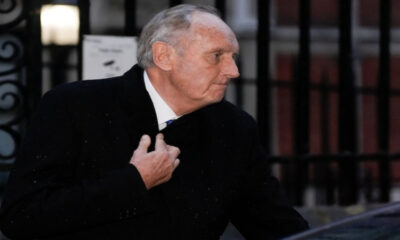
During questioning, the witness strongly denied any involvement in producing the statement that described widespread unlawful practices. He told the court that the document had nothing to do with him and suggested that those relying on it had been misled. Appearing via video link due to reported security concerns, he stated that he first became aware of the statement when it was referenced publicly. His remarks prompted tense exchanges in court, as legal representatives challenged his credibility and attempted to clarify inconsistencies surrounding the document.
Lawyers representing the claimants pushed back against the witness, suggesting that his position had changed over time and questioning his motivations. They argued that the statement formed a critical part of the evidence base and pointed to previous links between the witness and individuals involved in investigating alleged media misconduct. In response, the witness maintained that the claims were entirely untrue and described the case as being built on false premises. He also denied ever working for or receiving payments from the publisher at the center of the lawsuit.
The trial has been unfolding over several weeks and has included testimony from senior journalists, investigators, and individuals connected to both sides. It revisits long standing concerns about media practices in Britain, particularly during a period when phone hacking scandals dominated headlines. The case also reflects broader tensions between press freedom and personal privacy, with campaigners and legal experts closely watching how the court evaluates competing claims and evidence.
Additional details have emerged about disputes between individuals involved in gathering information for the claimants, including disagreements over financial arrangements and professional relationships. These developments have added another layer of scrutiny to the case, as the defense argues that some witnesses may have had incentives to provide damaging testimony. The claimants’ legal team has rejected these suggestions, insisting that their case is grounded in credible evidence and longstanding concerns about unlawful journalistic practices.
With the witness now described as the final individual to give evidence, attention is turning to the next stage of the proceedings. Closing arguments are expected soon, after which the court will consider its judgment. The outcome could have significant implications for both the media industry and public figures seeking to challenge alleged invasions of privacy. For now, the case remains finely balanced, with the credibility of key testimony likely to play a decisive role.